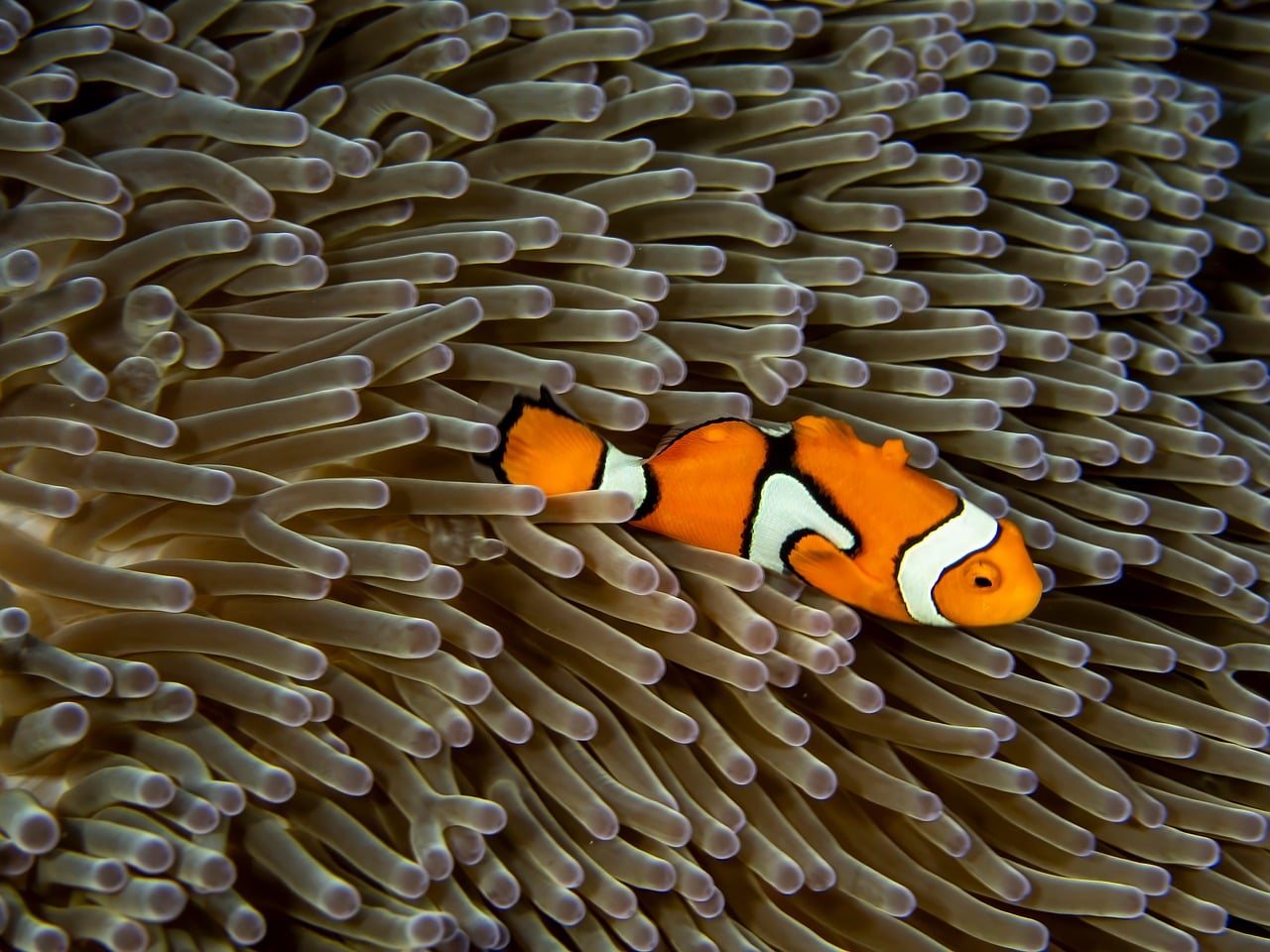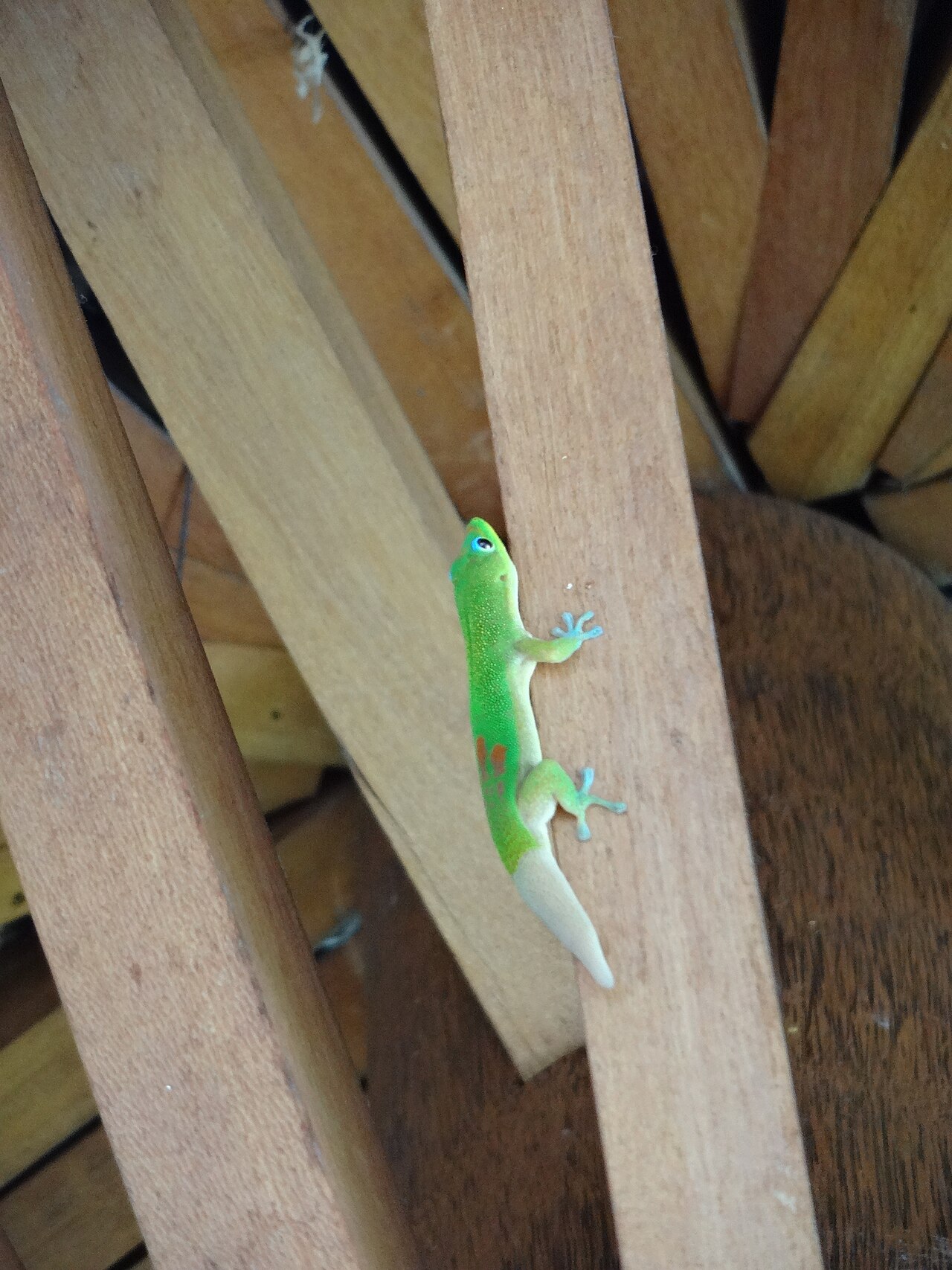
Snorkeling is the easiest way to meet Hawaii's underwater world. The islands sit far from any continent, so roughly a quarter of the reef fish found here live nowhere else on earth, and the water is warm enough to stay in for an hour without a wetsuit. You do not need to be an athlete. You need basic comfort in the water, a well-fitted mask and a sense of where and when to go. This guide covers all three.
Pick the right season
Hawaii has two ocean seasons. In summer, from roughly May through September, the north and west shores are calm and the big waves move to the south. In winter, from October through April, the pattern reverses: the North Shore of Oahu, the north coasts of Kauai and Maui and parts of the Big Island's windward side get large swells and are best left to surfers, while the south and west shores stay gentler. The simple rule is to snorkel the side of the island facing away from the swell, and to check a surf forecast and lifeguard flags every day.
Oahu
The island's most famous snorkel spot is Hanauma Bay, a protected volcanic crater with a managed reservation system, a short conservation video and calm shallow water that suits beginners. Outside it, Waikiki has boat trips to turtle sites just offshore, and on the North Shore Shark's Cove is a summer favorite with rock formations and caves, though it is hazardous in winter swells. A boat trip from Honolulu Harbor is often the easiest way to find clear water and turtles, since guides know the day's best spot.
Maui
Molokini, a crescent-shaped volcanic crater off the south coast, offers some of the clearest visibility in the islands, and morning boats reach it before the wind rises. On the shore, the Makena area, known as Turtle Town, is the place to watch green sea turtles grazing along the lava reef, and kayak tours make it easy to reach good spots. West Maui beaches such as Kapalua and Kaanapali have rocky points with fish and turtles when the water is calm.
Big Island
Kealakekua Bay, with its white monument to Captain Cook, is a marine sanctuary with steep coral walls and spinner dolphins, reached mostly by boat. Farther north, the Kona coast has easy shore snorkeling at calm bays, and the manta ray night snorkel off Keauhou is one of the most distinctive wildlife experiences in the state. Visibility is generally excellent on the leeward side, which is usually dry and sunny.
Kauai
The south shore at Poipu has gentle bays where turtles rest and monk seals sometimes haul out, and Tunnels on the north shore is a spectacular summer reef. Na Pali boat trips combine cliffs, sea caves and snorkel stops on the southern edge of the coast in calm months. Winter on Kauai's north shore is not for swimmers, so choose south-side locations then.
Gear that works
A well-fitted mask matters more than anything else. Test it by pressing it to your face without the strap and inhaling gently through your nose: if it sticks, it fits. A dry-top snorkel keeps water out in small waves, and short fins give power without cramping. Many people prefer to bring their own mask and snorkel and rent fins. A rash guard or UV shirt protects your back from the sun and also reduces the need for sunscreen, which is good for the reef. If you are a nervous swimmer, ask for a flotation vest or noodle, which are standard on tours.
Reef-safe rules
Hawaii law restricts sunscreens containing oxybenzone and octinoxate, because they harm coral. Choose mineral sunscreens with zinc oxide or titanium dioxide, apply them well before entering the water and cover up with shirts where you can. Never stand on or touch coral, which is a living animal, and swim above it, not through it. Keep a respectful distance from green sea turtles, which are protected, and never chase, touch or feed them. Hawaiian monk seals, among the world's most endangered seals, often rest on beaches; keep far back and follow any posted signs. Spinner dolphins also need space, and approaching them to swim is not allowed.
Safety basics
Never snorkel alone. Look at the conditions before you get in, note the position of the lifeguard and make a plan for your exit. Currents can pull you away from a bay faster than you expect, so stay inside the protected area and avoid swimming near rocky points when waves are large. Tell someone where you are going, take a break if you feel tired and do not hold your breath to dive down if you are inexperienced. If you are new to snorkeling, a guided tour or a lesson is a smart investment, since guides pick safe locations and spot hazards you would miss.
Choosing between shore and boat
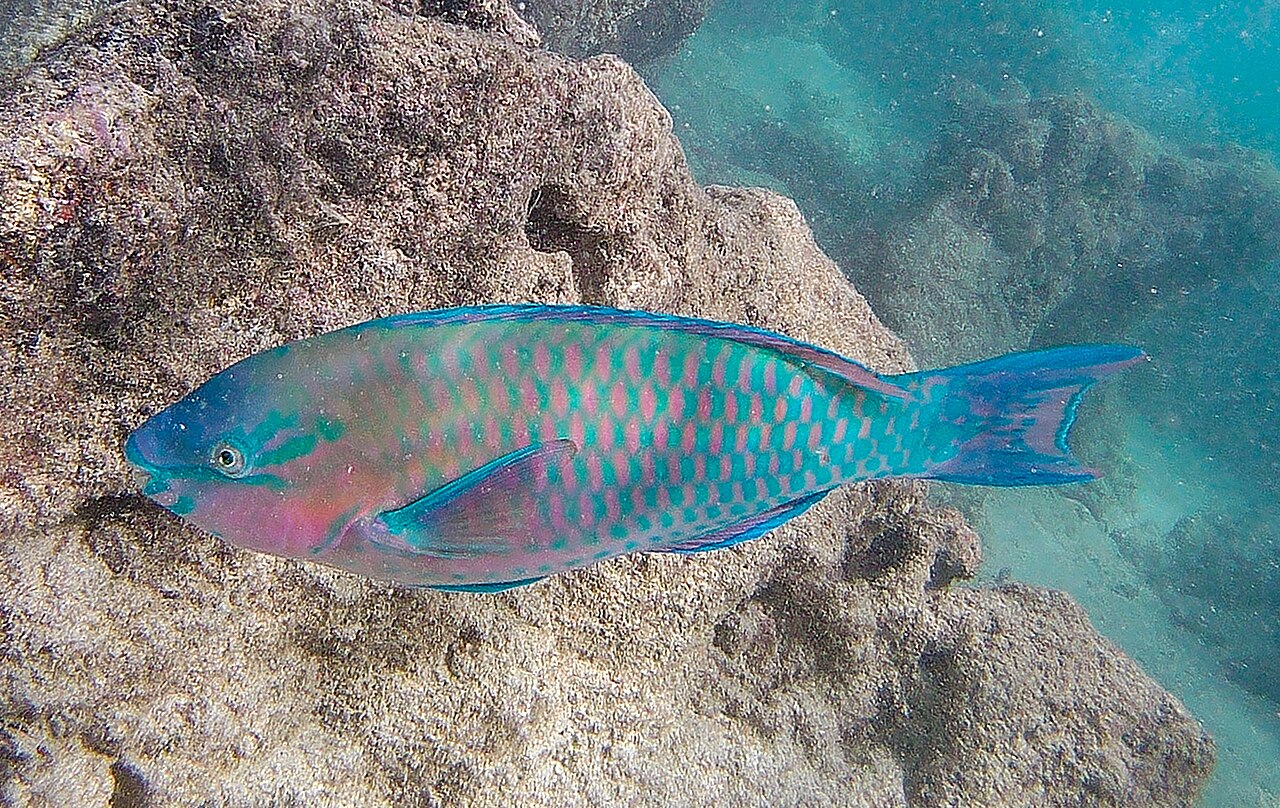
Shore snorkeling is free or low cost, flexible and good at easy bays in calm weather. Boat tours reach offshore reefs, provide gear, food and instruction, and are often the best choice for beginners or short visits. Larger catamarans are stable and sociable, and small rafts are more adventurous. Compare departure times, because morning trips usually have the calmest conditions and the best visibility. Expect to see parrotfish, butterflyfish, tangs, triggerfish, moray eels and, with luck, turtles, eagle rays and dolphins.
Making a plan
On a first trip, try one easy shore spot for practice, one boat trip for the headline reef and one special experience, such as a night snorkel or a kayak turtle tour. Allow a rest day between big water days, drink plenty of water, and keep your phone in a waterproof pouch. The islands' reefs are a shared treasure, and the best way to enjoy them is gently, leaving only ripples behind.