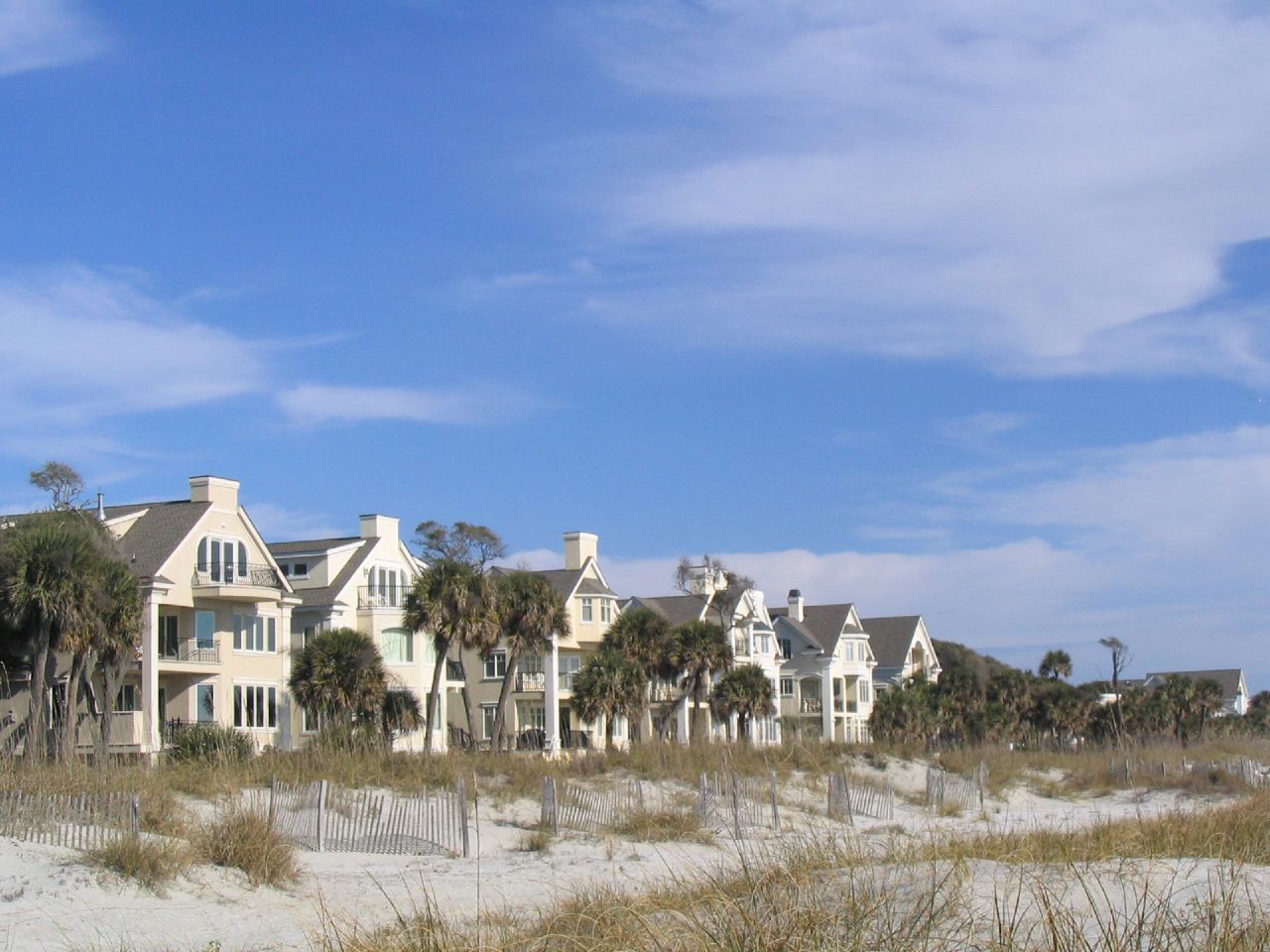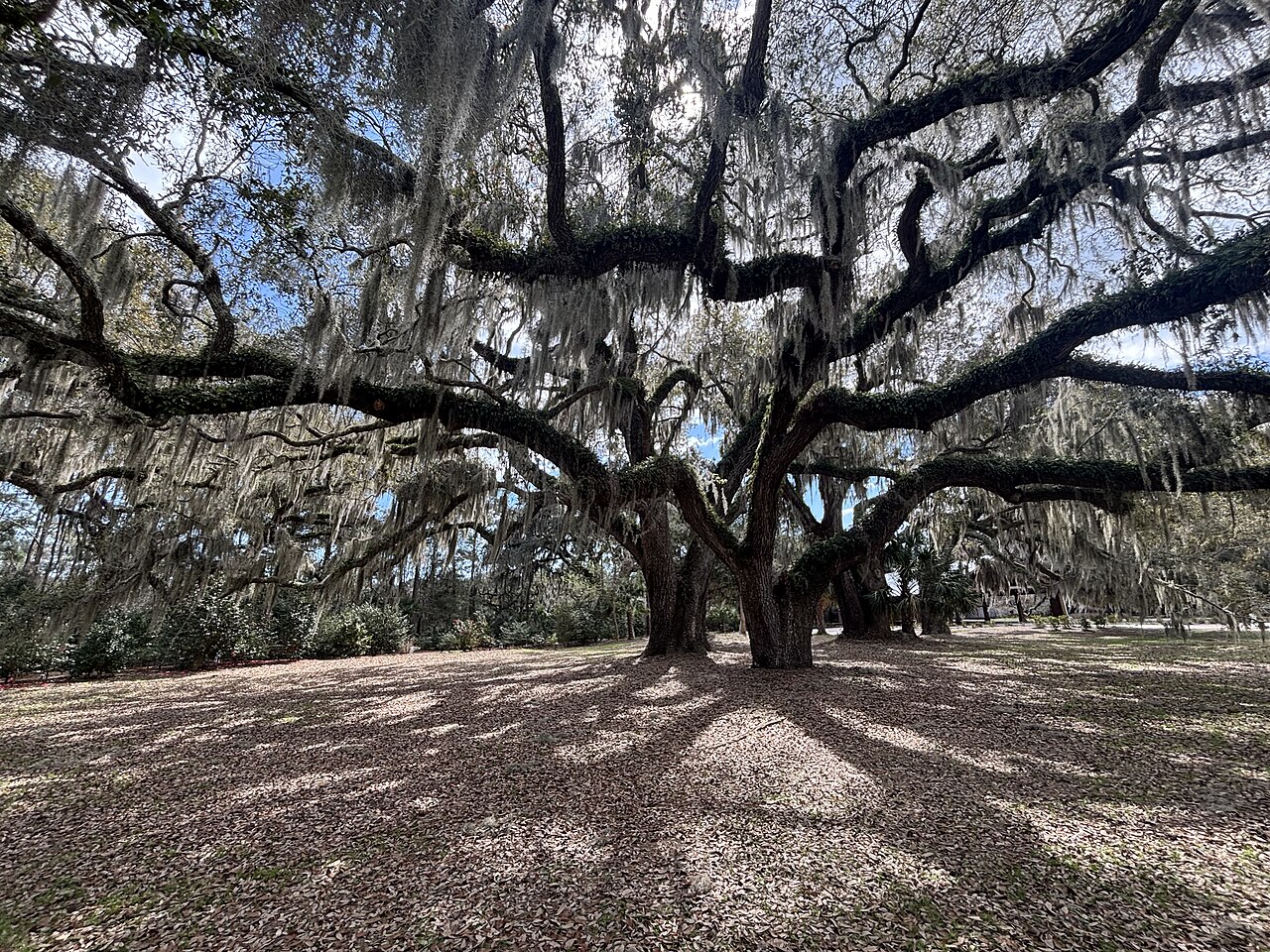
Hilton Head Island looks simple on a map, a foot-shaped barrier island with a long Atlantic beach, but first-timers often find it confusing on arrival. Much of the island is divided into gated communities, the main roads are lined with trees that hide almost everything, and strict signage rules mean you can drive past a famous restaurant without noticing it. Once you understand how the island works, though, it is one of the easiest and most relaxing destinations on the East Coast. Here is the orientation we wish every visitor had.
The plantations and their gates
Islanders still call the big private communities plantations, though many now use other names: Sea Pines on the south end, Shipyard, Palmetto Dunes, Port Royal and others along the coast. Each has its own gate, beaches, golf courses and pathways. If you stay inside one, you get a pass. If you visit from outside, the rules vary: Sea Pines, home to Harbour Town and its lighthouse, the forest preserve and the Sea Pines Beach Club, admits day visitors for a per-vehicle gate fee, which covers access to its trails, restaurants and shops for the day. Bikes are the classic workaround; the island pathways lead right into the resort. Other communities restrict access to owners, guests and people with reservations, so plan ahead before you drive to a restaurant or course inside a gate.
Where the public goes to the beach
The island has roughly twelve miles of Atlantic beach, firm, wide and gently sloping, but much of it is backed by private property. The public gets on through the Town of Hilton Head Island's beach parks. Coligny Beach Park at the end of Pope Avenue is the biggest and best equipped, with restrooms, showers, swings, a fountain and beach matting, and Coligny Plaza's shops across the street. Other town parks such as Folly Field and Burkes Beach are smaller and quieter, and Fish Haul Beach on the north end faces Port Royal Sound rather than the ocean. Parking fills fast in summer, so go early or bike in. Read the town's beach rules, which cover alcohol, glass, dogs and leaving gear overnight.
Rent a bike on day one
The town maintains more than 72 miles of public pathways and nature trails, the island is flat, and at low tide the beach itself becomes a wide, hard track for riding. Rental shops deliver bikes to your door, and many hotels rent or lend them. A bike gets you to the beach, to dinner and into Sea Pines without parking hassles or the gate fee, and it is simply the most enjoyable way to see the island. Check a tide table before you plan a beach ride.
The essential experiences
Climb the Harbour Town Lighthouse, 114 steps up a 90-foot tower completed in 1970, for the view over Calibogue Sound and Daufuskie. Walk the Sea Pines Forest Preserve, where alligators bask by the lakes and a shell ring about 4,000 years old hides in the woods. See dolphins, either from a cruise out of Harbour Town or a kayak on Broad Creek. Visit the free Coastal Discovery Museum at Honey Horn to understand the island's history, then take a Gullah Heritage Trail Tour with a guide who grew up here before the bridge, and walk the grounds of Historic Mitchelville Freedom Park, site of the first self-governing town founded by formerly enslaved people in the United States. Off the island, take the ferry to car-free Daufuskie, wander Old Town Bluffton for galleries and oysters, and give a day to Beaufort.
What to book ahead
Dolphin and sunset cruises, kayak tours, the Gullah Heritage Trail Tour, the Daufuskie ferry and golf cart, sweetgrass workshops at the Coastal Discovery Museum, spa treatments and tee times all fill up, especially in spring, summer and holiday weeks. Restaurants on the water fill at sunset; reserve where you can. Hotels and rentals for the RBC Heritage golf tournament in April and for summer weeks book months in advance.
Getting around and getting here
Most visitors drive, crossing the bridges from the mainland on US 278, which is the only road on and off the island and can back up on summer Saturdays, the traditional changeover day for rentals. Hilton Head Island Airport has commercial flights, and Savannah/Hilton Head International Airport is about an hour's drive away. On the island, you will want a car for day trips but can do a great deal by bike. Allow extra time on William Hilton Parkway at rush hours.
Visiting in the off-season
A first trip does not have to be a summer trip. From November through February the island is quiet, rates are at their lowest, and the bike paths and beaches feel almost private. The trade-offs are real but manageable: lifeguards and beach rentals are seasonal, poolside bars and some restaurants shorten hours, boat and kayak schedules are reduced and weather-dependent, and a few businesses close for part of the winter. The water is too cool for most swimmers, but the walking, cycling, birding and oyster eating are at their best. From November 27, 2026 to January 1, 2027, Harbour Town Lights adds holiday evenings on the harbor. One hotel to note: The Westin Hilton Head Island Resort and Spa is closed from November 2026 through March 2027 for renovation, so look elsewhere for an oceanfront resort this winter. Whatever the month, check hours before you drive, especially on Sundays and holidays.
The Lowcountry code
A few local habits make a visit smoother. The island's strict design rules keep signs low and lights dim, so use a map app and look for small, discreet signs. From spring through autumn, sea turtles nest on the beaches, so fill in holes, take your gear home and keep lights off the beach at night. Respect wildlife: never feed alligators or dolphins. Be patient at pathway road crossings. And slow down. The island's pleasures are simple ones: a sunrise beach walk, a bike ride under the oaks, oysters by the river, a sunset over the marsh. Plan less, linger more, and you will understand why so many first-timers become regulars.