Long before Hilton Head became a resort, it was a Gullah island. The Gullah, called Geechee in parts of Georgia and Florida, are descendants of West Africans who were enslaved on the rice, indigo and cotton plantations of the coastal Southeast. On the Sea Islands, the isolation of the plantations and the large African-descended population allowed them to preserve more of their African heritage than almost any other Black community in the United States: a distinctive creole language, foodways, crafts such as sweetgrass basket making, spiritual traditions and close-knit family land ownership. Congress recognized this heritage in 2006 by creating the Gullah Geechee Cultural Heritage Corridor along the coast from North Carolina to Florida. Hilton Head and its neighbors are at its heart, and a visit here is incomplete without learning their story.
From war to freedom
The story on Hilton Head turns on November 1861, when Union forces captured the forts at Port Royal Sound early in the Civil War. Planters fled, and thousands of enslaved people from the surrounding plantations made their way to Union-held Hilton Head. In 1862, the Union commander, General Ormsby M. Mitchel, set aside land for them to build their own town. Mitchelville became, in the words of the park that preserves it, the first self-governing town established by formerly enslaved people in the United States, with elected officials, streets, churches, stores and schools. Across the water near Beaufort, the Emancipation Proclamation was read at Camp Saxton on January 1, 1863, and the Penn School opened on St. Helena Island in 1862 as one of the first schools in the South for formerly enslaved people.
After the war
Many freedpeople acquired land on the Sea Islands, and for nearly a century Hilton Head remained a largely Gullah island of farmers, fishermen and oystermen, with their own churches, praise houses, schools and communities, reached by boat. Everything changed after the first bridge to the mainland opened in the 1950s and resort development followed. Land values soared, and many Gullah families lost land through taxes, development pressure and the complications of heirs' property, land passed down without clear title among many descendants. Preserving the remaining Gullah communities and their land is an ongoing struggle, and visitors who learn the story help keep it alive.
Where to learn it on Hilton Head
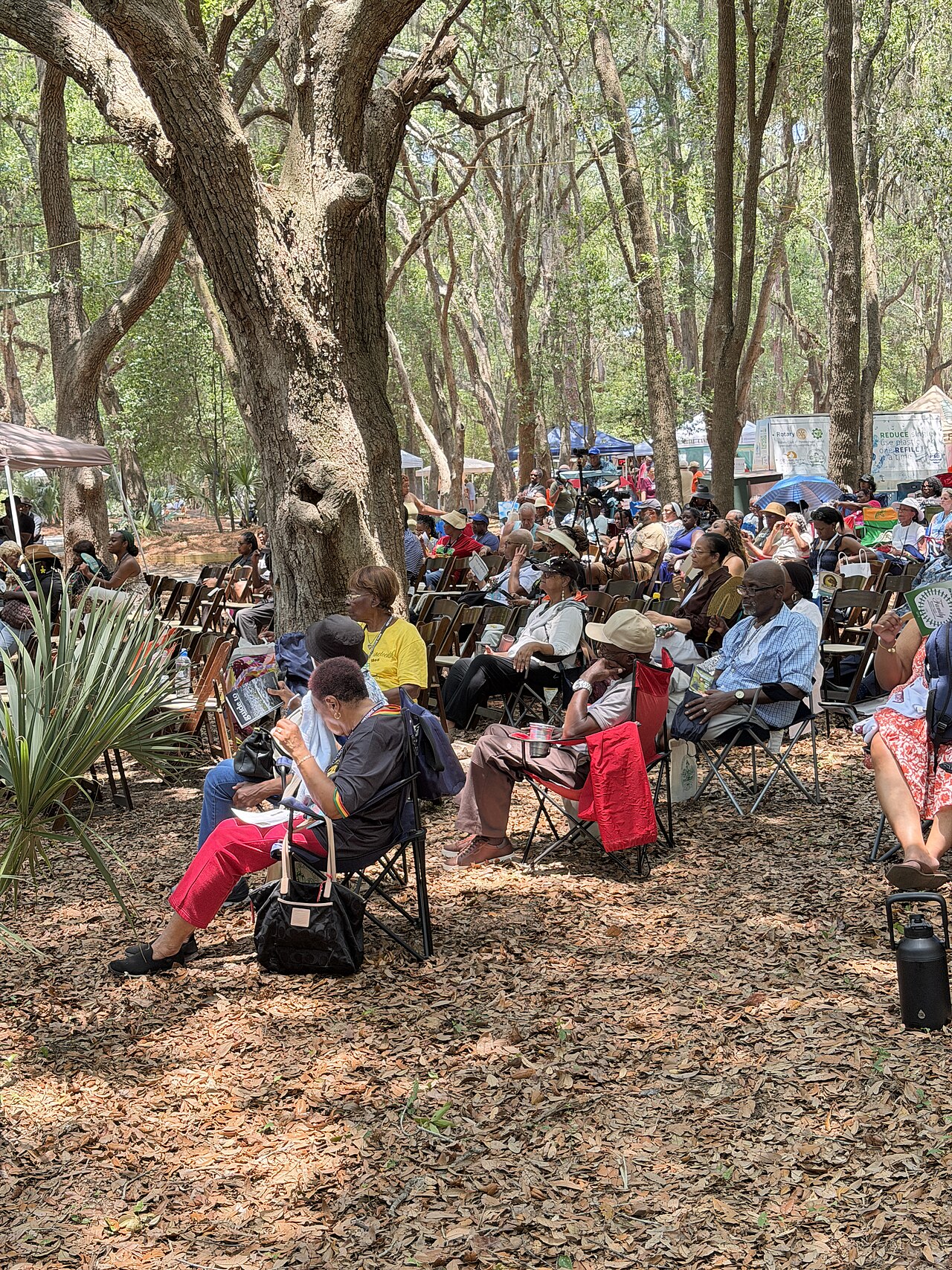
Start at the Coastal Discovery Museum at Honey Horn, which is free and covers the island's history, and book one of its sweetgrass basket workshops led by Gullah artisans. Then take the Gullah Heritage Trail Tour, which departs from the museum: a bus tour of about two and a half hours led by guides who were born and raised on the island before the bridge, mixing history with family memory. Finally, walk the grounds of Historic Mitchelville Freedom Park on the north end beside Port Royal Sound. Today it is an outdoor site with interpretive signs and paths, a hand-built Gullah-style flat-bottom boat, and guided tours; its master plan includes an interpretive center and a re-creation of the quarter-acre family lots. The park hosts Juneteenth and Freedom Day celebrations each year.
Daufuskie Island
Across Calibogue Sound, car-free Daufuskie was a Gullah community of oystermen and farmers until the oyster industry collapsed in the mid-twentieth century, and Pat Conroy's The Water Is Wide drew on the year he taught its children in the late 1960s. Visit the First Union African Baptist Church, established in 1881 and described as the island's oldest building, the Mary Fields Cemetery, the island's largest Gullah cemetery, and the restored schoolhouse, and seek out Sallie Ann Robinson, a sixth-generation Gullah native and cook who shares her island's food traditions. Visit cemeteries and churches respectfully; they are living community places.
The Penn Center and Beaufort
An hour north, the Penn Center on St. Helena Island is one of the most important Gullah cultural institutions in the country. It grew out of the Penn School, and in the 1960s Dr. Martin Luther King Jr. and his staff met there to plan. The Reconstruction Era National Historical Park, headquartered in Beaufort's Old Beaufort Firehouse, includes Darrah Hall on the Penn Center campus, with exhibits on the origins of Reconstruction and education. Check the Penn Center's website for museum hours and events.
Language, craft and food
Gullah, the language, is an English-based creole with many words and grammatical features from West African languages, and you may hear it spoken by older islanders and in storytelling performances. Sweetgrass baskets, coiled from sweetgrass, bulrush, pine needles and palmetto, descend from African rice-fanning baskets and are among the oldest African-derived crafts in the United States; each takes many hours to make, and buying one directly from its maker supports a living tradition. Gullah food, with its rice dishes, okra, greens, seafood and slow cooking, underlies much of what the rest of the region calls Lowcountry cuisine. Music, spirituals and the ring shout, a form of worship with deep African roots, are part of the heritage too, and are sometimes shared at cultural events.
A two-day Gullah heritage itinerary
Day one: the Coastal Discovery Museum, the Gullah Heritage Trail Tour and Historic Mitchelville Freedom Park, with a seafood dinner afterward. Day two: either the ferry to Daufuskie for its churches, cemeteries and food traditions, or the drive to Beaufort and St. Helena Island for the Penn Center and the Reconstruction Era National Historical Park.
Visiting respectfully and supporting the community
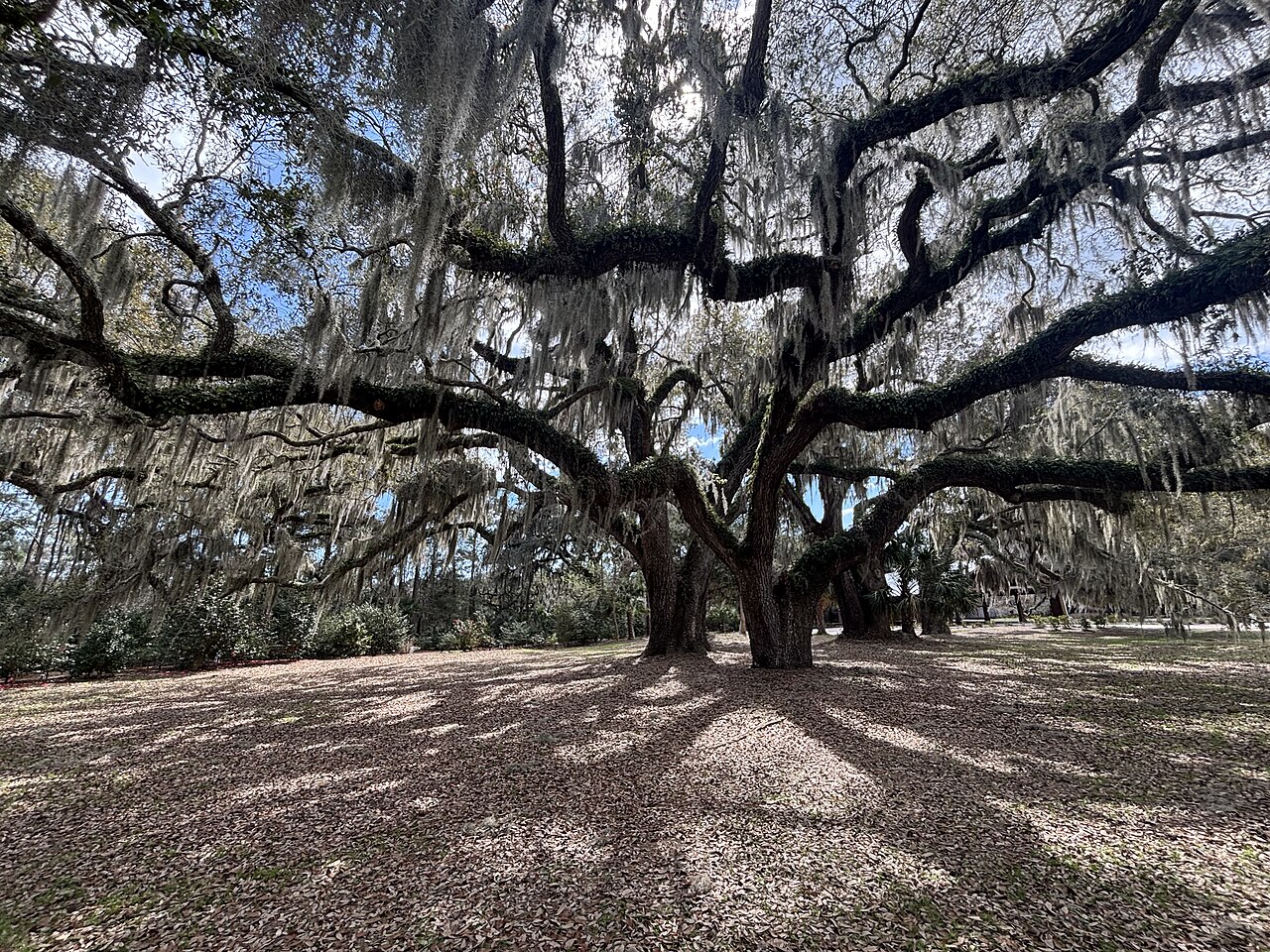
Choose Gullah-led tours and buy directly from Gullah artisans, such as sweetgrass basket makers, whose baskets take many hours to sew and are worth every dollar. Eat Gullah food from Gullah cooks. Ask before photographing people, homes or churches. Remember that historic Gullah neighborhoods are where people live today, not attractions. And look for community celebrations, including Juneteenth at Mitchelville and heritage events at the Penn Center, which welcome visitors to share in the culture. Learning this story changes how you see the island: the oaks, the marsh and the quiet roads become part of a much longer history of resilience and freedom.