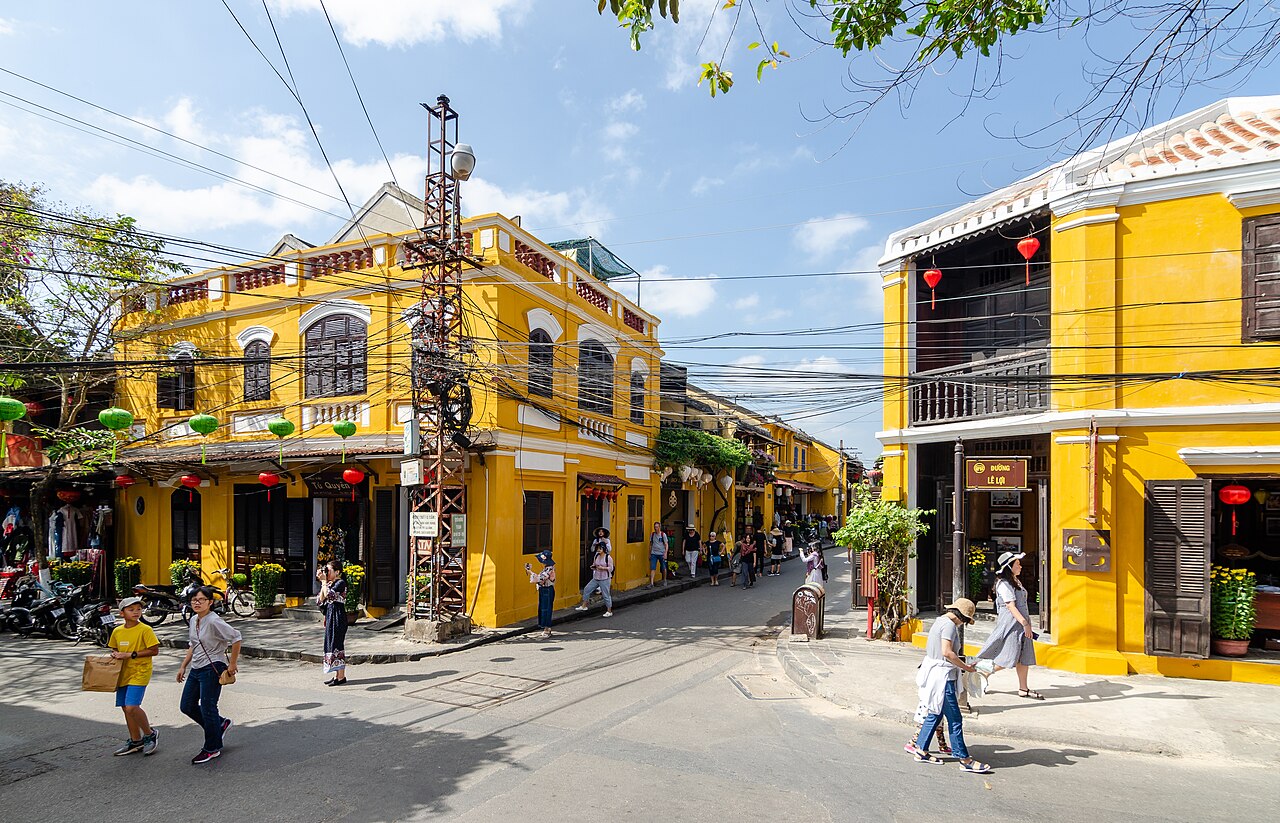
Hoi An and Da Nang sit 30 kilometres apart on Vietnam's central coast, and together they make an easy, varied trip: a lantern-lit UNESCO old town, a modern beach city, mountain and cave sights, and day trips to ancient ruins and an imperial capital. Most visitors base themselves in Hoi An and treat Da Nang as a gateway and a day-trip hub, because Da Nang has the international airport.
What to book ahead
Very little needs booking far in advance, but a few things reward it. The Ba Na Hills and Golden Bridge visit sells tickets online, and a weekday morning is far calmer than a weekend. A My Son Sanctuary half-day trip, a Hue day trip, a cooking class and a lantern-making class are all easier on a date you choose, particularly in the dry months. Tailoring needs time, not a booking: order on your first or second day so you have fittings before you leave.
The Hoi An Ancient Town ticket
The old quarter is a living neighbourhood, but a ticket is required to enter its listed monuments. The heritage centre announcement from January 2026 lists a 120,000 dong ticket and a cheaper 80,000 dong ticket, covering the old-town area, either the Japanese Covered Bridge or Quan Cong Temple, and a set number of other sites, with children under 16 free. One purchase covers your stay for up to three days. Choose different kinds of sites, such as a merchant house, an assembly hall and a museum, and keep the stub.
How to get around
Hoi An old town is best on foot, and the area around it is flat enough for bicycles, which many hotels lend or rent. Taxis and ride-hailing apps cover longer distances, and private cars or drivers are common for day trips. Between Da Nang airport and Hoi An, a taxi or pre-booked transfer takes roughly 45 minutes depending on traffic. Do not try to cover My Son, Ba Na Hills and Hue by public transport in one trip; use a tour or driver.
How many days
Three days in Hoi An is the minimum for a relaxed stay: one for the old town, one for a cooking class and basket boat trip, and one for My Son or the Marble Mountains. Add a day for Ba Na Hills and a day for Hue if you want the big sights, and two or three days for the beach if the weather is good. Five to seven days comfortably covers most of the list.
Where the sights fit
In Hoi An itself: the Ancient Town, a lantern class, a cooking class with the market and basket boat, and tailors. Within an hour: the Marble Mountains and VinWonders Nam Hoi An. Half-day trips: My Son Sanctuary. Full-day trips: Ba Na Hills and Hue, the latter a long day best done with a driver or a guided tour.
Flood season and weather
Central Vietnam has its wettest weather from roughly September to December, with October and November the peak. The Thu Bon river can rise and flood the lower streets of Hoi An, and in late 2025 the town was flooded several times within a few weeks. Typhoons can disrupt flights, cable cars and roads. We could not confirm conditions for November 2026, so check the forecast and local news, travel with flexible bookings, and leave slack in your plan. The drier months, roughly February to May, are the safest for beaches and tours.
Practical notes
Carry small notes for street food and entry fees, dress modestly for pagodas and temples, bring sun protection and insect repellent, and be wary of unrequested extras on tours. Ask for the price before you sit in a boat or get measured by a tailor, and keep receipts. Evenings in the old town are the highlight, so plan your day to leave energy for them.