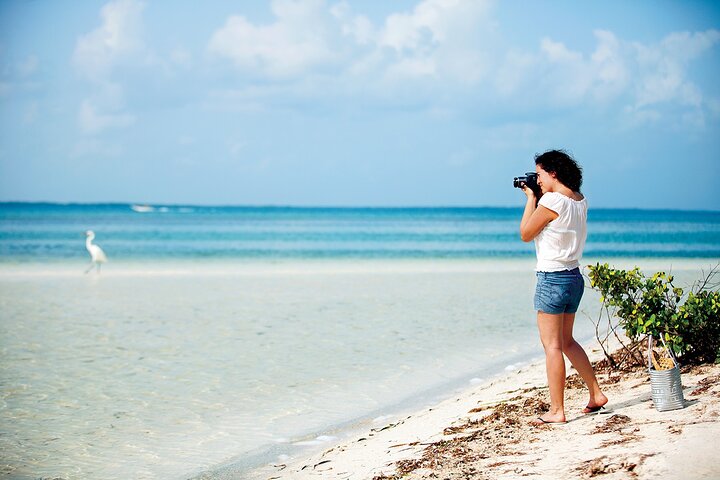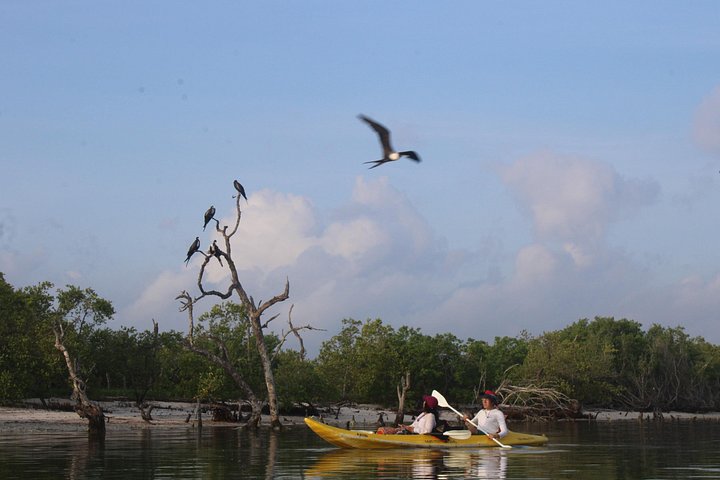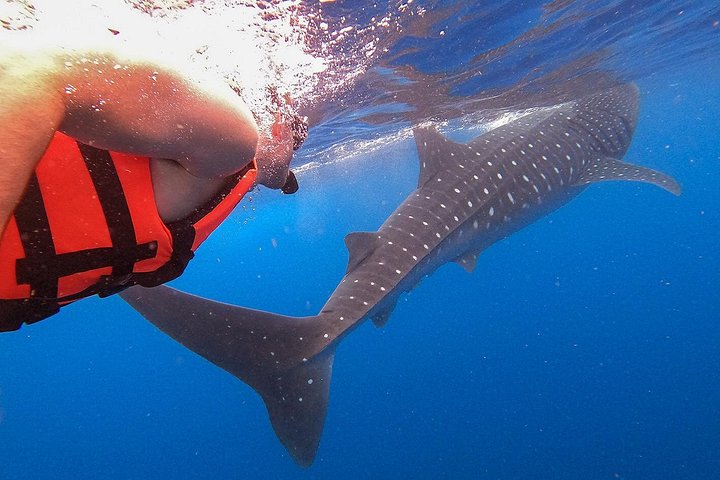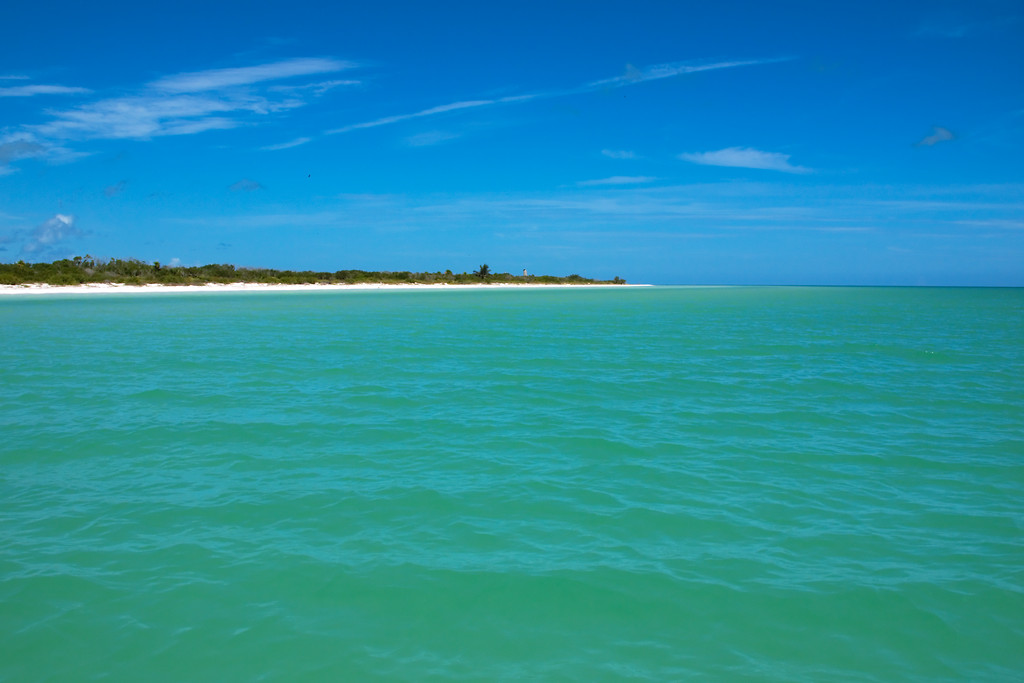
Holbox is not just an island with a lagoon; it sits inside the Yum Balam protected area, a large federal reserve on the northern tip of the Yucatan coast. The name comes from the Maya for lord jaguar, and the reserve takes in mangroves, seagrass, shallow lagoon water, wetlands and coastal forest on the mainland side. Its reach explains much of what you see from the island: the pelicans and herons, the flamingos that arrive in season, the quiet water that feeds the plankton and, farther out, the whale sharks that gather in summer. This entry is about the place itself rather than a single tour. It is free to appreciate, since you are in it whenever you walk the beach or ride a bicycle through the sand streets, and understanding it will change the way you behave on every boat, kayak and beach walk.
Why it matters
Yum Balam is the reason Holbox still feels wild. Protected status limits large-scale development and gives the lagoon a chance to remain healthy, and the rules that visitors follow, such as keeping a distance from birds and never touching whale sharks, are part of that system. When you understand how the mangroves shelter young fish, how seagrass feeds turtles and how shallow water supports the bird life, a quiet paddle or a walk along Punta Mosquito becomes more than scenery.
How to experience it
You do not need a special ticket to be in the reserve, because the island itself sits inside it. The best way to see the wider landscape is with a guide on a boat or kayak trip. The three islands boat tour crosses the lagoon to the bird island and other stops, the mangrove kayak at sunrise glides through the channels where birds feed, and the whale shark season, from roughly late spring to the end of summer, depends on the same protected waters.
On land, early morning and late afternoon walks along the northern beach are the best times to watch pelicans, herons and other waders. Flamingos can be seen from April to October according to the Mexican Caribbean tourism board, although where they feed changes with tides and weather.
Practical points
The reserve is shared with the fishing community, so expect working boats as well as tour boats. Use reef-safe or biodegradable sunscreen, take all rubbish with you and never feed wildlife. Keep your distance from nesting or feeding birds, stay on existing paths and sand roads, and avoid walking on mangrove roots.
Do not remove shells or any other natural objects. Fees or rules can apply at specific sites and for some activities, so ask your operator what applies and follow the guide's instructions. Biting insects are part of the ecosystem, so bring repellent, especially near the mangroves at dawn and dusk.
Plan it
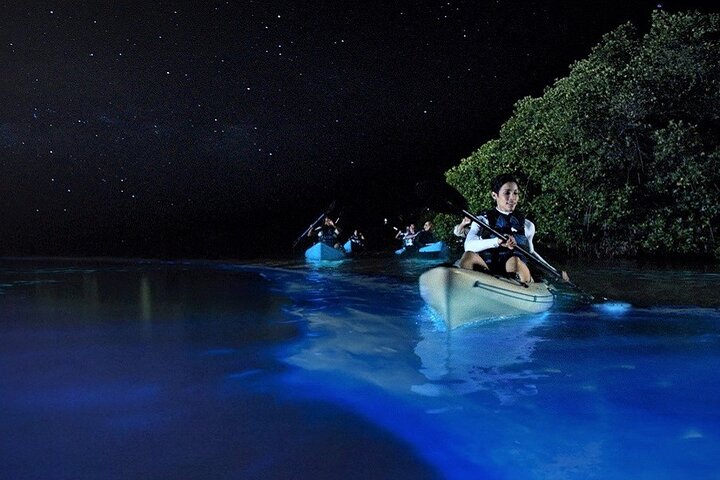
Allow a few days. Start with a morning boat tour for the overview, add a mangrove kayak or an evening glow trip for a different view, and keep a free afternoon for a long barefoot walk. Supporting local guides, eating at family-run restaurants and respecting the reserve's rules is the simplest way to help it stay as it is.
What to expect
The experience
A large protected area of lagoon, mangrove and wetland that surrounds the island, experienced on foot, by boat or by kayak.
Best time
Early morning and late afternoon for birds, with flamingos usually seen from April to October.
How long
Part of any day, or a full day with a boat or kayak trip.
Tips
Keep your distance from wildlife, use reef-safe sunscreen, bring repellent and take your rubbish with you.
Quick picks
- Best for
- Nature lovers and anyone who wants to understand the island's landscape.
- Families
- A great setting for children who like birds, shells and shallow water, with close supervision.
- Couples
- Quiet, wild and beautiful, especially at sunrise and sunset.
- Pair with
- The three islands boat tour, a mangrove kayak and a walk at Punta Mosquito.
- Time needed
- Flexible, from a short walk to a full day on the water.
Good questions
What is Yum Balam?+
A large protected area around the northern tip of the Yucatan coast that includes Holbox, its lagoon, mangroves and wetlands. The name is Maya for lord jaguar.
Do I need a ticket to enter?+
You are in the reserve whenever you are on Holbox, so there is no general entry fee for being on the island. Some tours and sites have their own rules or fees, so ask your operator.
What wildlife can I see?+
Pelicans, herons and other wading birds are common, flamingos can be seen from April to October, and whale sharks visit in summer.
How should I behave?+
Keep your distance from birds, never touch marine life, use reef-safe sunscreen and take all rubbish with you.
What is the best way to see more of it?+
A guided boat or kayak trip. The three islands tour and the mangrove sunrise kayak are good starting points.