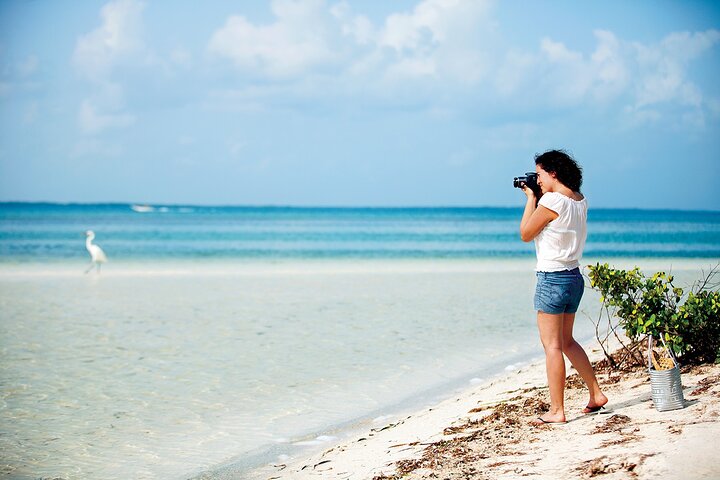
Holbox is a small island off the northern tip of the Yucatan coast, inside the Yum Balam protected area. The Mexican Caribbean tourism board calls it the paradise of sandy streets and notes that it has no paved streets and no private cars. A first visit is built around the lagoon: its sandbars, its birds and, on dark nights, water that glows. This guide covers how to arrive, what to book ahead, how to move around and how many days to allow.
Check current travel advisories
Conditions anywhere can change, so check the latest travel advisories from your own government before you book and again before you travel, and follow local guidance on arrival. Weather affects boat trips, so keep your plans flexible and read cancellation terms.
How to get there
There is no road to Holbox. You cross by passenger ferry from the mainland port of Chiquila. The tourism board puts the crossing at about twenty minutes, with departures about every half hour and the last boats around nine at night, and the timetable can change with season and weather. Regional travel sources say the overland trip from Cancun to Chiquila takes about two and a half to three and a half hours by ADO bus or shuttle. Cars stay on the mainland, so plan to arrive in daylight and tell your hotel your arrival time.
What to book ahead
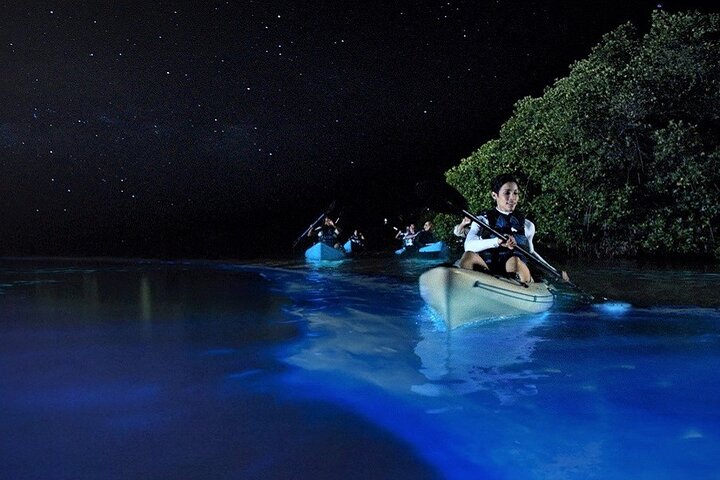
The three islands boat tour is the classic first outing and a good one to reserve early. The bioluminescence kayak trip is the signature evening activity, but it depends on the moon, so choose a dark night and keep a spare date in case it is cancelled. A sunrise mangrove kayak suits early risers, and a full day of fishing and snorkelling gives a taste of the island's fishing roots. Everything else, including Punta Mosquito and the village beach, is free and needs no reservation.
Seasons and wildlife
Whale shark swims are seasonal. The tourism board says May to September, and other local sources say June to September, so they are not available in November. Flamingos can be seen from April to October according to the tourism board, though sightings depend on tides and weather. Bioluminescence is strongest on moonless nights, and the strength changes through the year, so ask operators what to expect on your dates.
How to get around
There are no private cars. Walk in the village, rent a bicycle or hire a golf cart for longer trips such as Punta Mosquito. Porters with cargo carts carry luggage from the pier, and the sand streets can flood after heavy rain, so wear sandals. Carry cash, because travel sources say the island has few cash machines and they sometimes run out. Withdraw pesos before you cross.
How many days
Two nights is the minimum to feel the island, since the ferry and transfer take most of a day. Three or four nights lets you fit a boat tour, a kayak trip and an unhurried day at Punta Mosquito, and gives you a spare night for bioluminescence if the first one is cloudy or bright. If you have a week in the region, Holbox pairs well with a few days on the mainland.
Where the sights fit
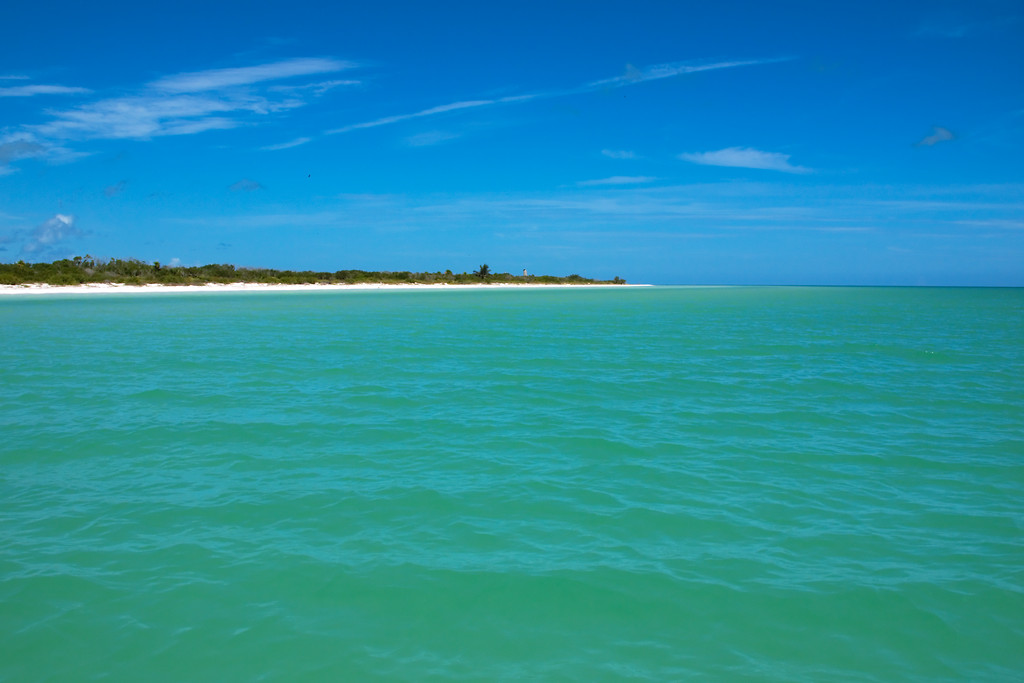
The village, the ferry pier and the main beach are on the south and west sides, while Punta Mosquito and the northern sandbars are on the northern coast. Boat tours leave from the pier area and cover the lagoon and the bird islands. Kayak trips start from beaches and mangrove edges. The accompanying guide on where to stay compares five hotels across the village, the northern beaches and the quiet Punta Coco side.
Protect the lagoon
Holbox sits inside a protected area. Keep a respectful distance from birds, never touch whale sharks, use reef-safe or biodegradable sunscreen, and take your rubbish with you. Bring insect repellent, since biting insects can be present near the mangroves, especially after rain and around dawn and dusk.