Few places in America tell the story of a presidency as completely as the Roosevelt site in Hyde Park. Springwood is where Franklin Delano Roosevelt was born in 1882, where he returned throughout his life, and where he is buried in the Rose Garden beside Eleanor. The National Park Service runs the house and grounds, and the guided tour moves through rooms that still hold the family furniture, books and objects of daily life. Next door, the Franklin D. Roosevelt Presidential Library and Museum, the first of its kind, uses documents, films and objects to follow the Depression, the New Deal and the Second World War through the eyes of the man who steered the country through them.
What sets Hyde Park apart from most presidential sites is the sense of continuity between the man and the place. Roosevelt was shaped here as a boy, loved the Hudson Valley landscape, planted trees across the estate and returned in his last years for rest and for the big decisions of the war. Guided tours of Springwood run through the family rooms and give a good feel for the social world he grew up in, with the visits of kings and prime ministers a footnote to the plain domesticity of the house.
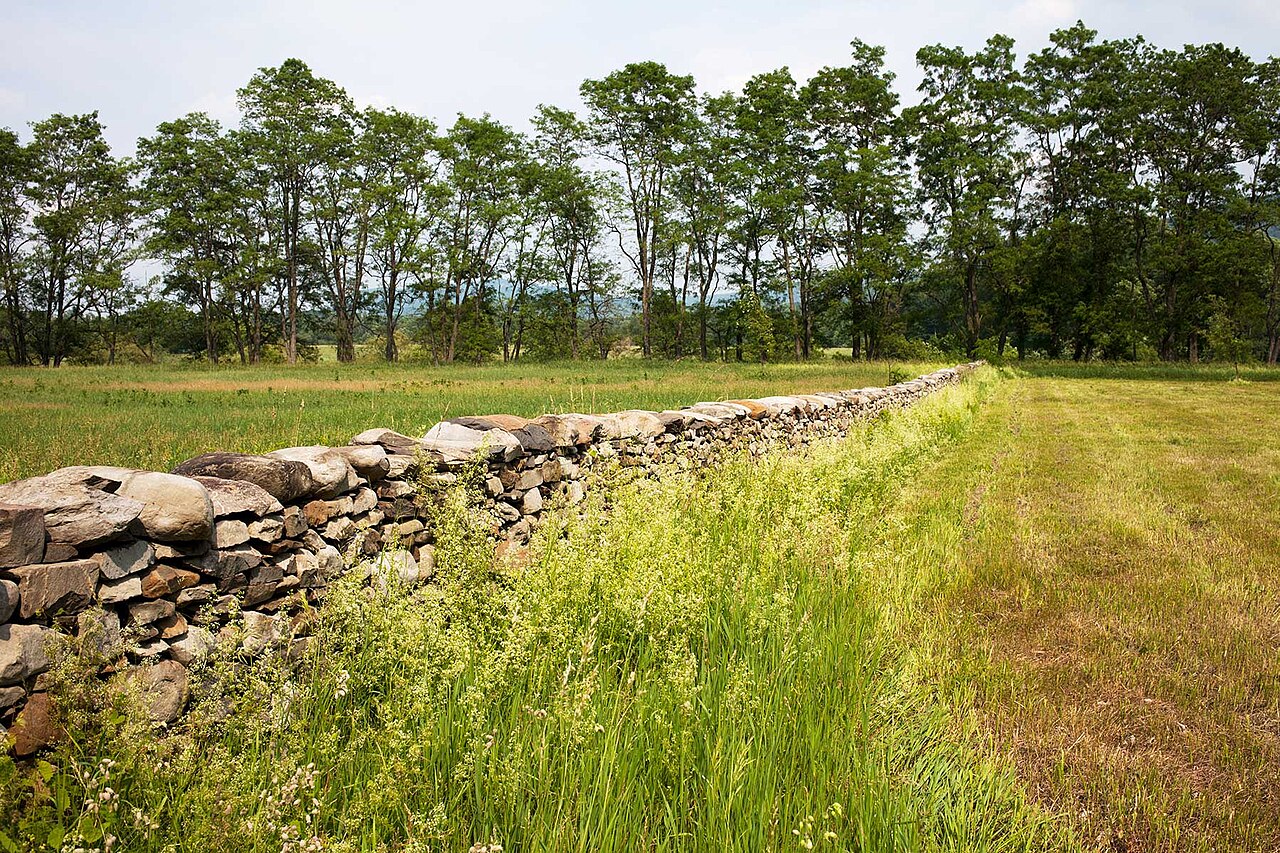
The grounds are a pleasure to walk, and the Rose Garden gravesite is quiet and moving in a way few presidential memorials manage.
The presidential library is a serious museum rather than a side attraction. It was created in the late 1930s on Roosevelt's own initiative, which established the model for every later presidential library, and its permanent galleries cover both Franklin and Eleanor with a lot of original material: letters, speeches, photographs, film and artifacts. Visitors with an hour to spare will find the Depression and New Deal sections particularly clear on how the programs touched everyday life, and the wartime galleries give context for the decisions that shaped the modern world.
The library is operated by the National Archives, which is why it has its own entry and rules separate from the house tour.
Planning matters here because tours of the house are timed and capacity-limited, and the combined ticket arrangement has changed from time to time. Check the park site before you travel and reserve in advance if the booking system offers it, especially in autumn and on weekends. A good itinerary starts with the house tour in the morning, moves to the library after lunch, and ends with a stroll around the grounds and a pause at the Rose Garden.
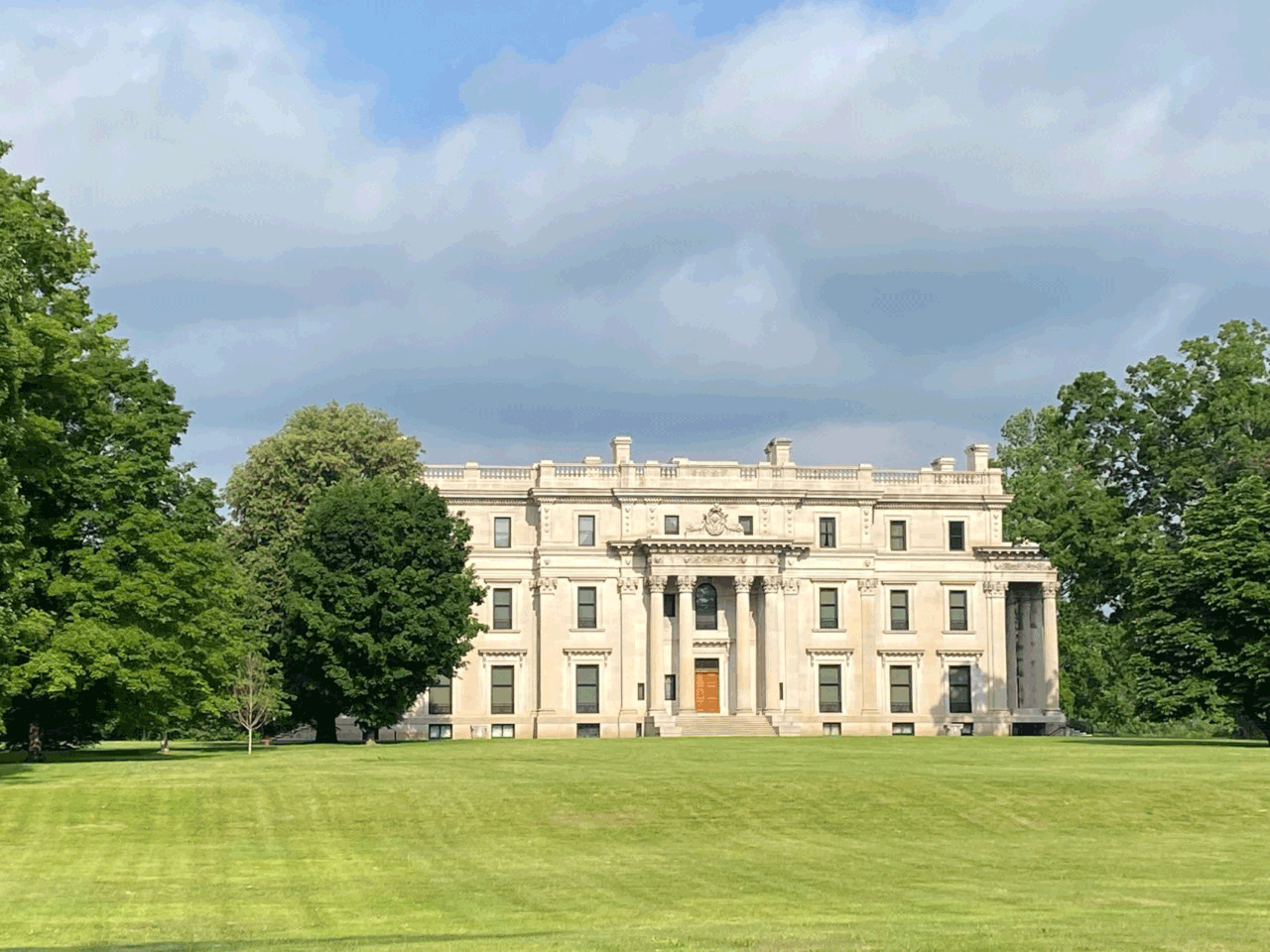
Together with the Vanderbilt Mansion and Val-Kill, it makes Hyde Park one of the richest history days anywhere within two hours of New York City.
A few small choices improve the day. Arrive early enough to collect tour tickets before the first departure, wear shoes suited to gravel paths and lawns, and leave the large bags in the car because security rules for the museum are stricter than at the house. If the weather is clear, finish at the Rose Garden rather than rushing back to the car; it is the quietest and most reflective part of the property.
Visitors who enjoy primary sources should ask at the library desk about the current temporary exhibitions, which change and often draw on the archive's less familiar collections.
What to expect
The experience
A guided tour of Springwood, a self-guided visit to the presidential library and museum, and a walk to the Rose Garden gravesite on the grounds.
Best time
Weekday mornings for smaller tours; autumn for foliage, but book ahead. House tours are limited in the coldest months, so confirm before traveling.
How long
Two hours for the house and library at a quick pace; four with the grounds.
Tips
Start with the house tour, because timed slots fill first. Allow time for the library film and the wartime gallery, which many visitors rush.
Quick picks
- Best for
- History fans, and anyone who wants to understand the New Deal and the war years through one family.
- Families
- Best for ages ten and up; younger children enjoy the grounds more than the galleries.
- Couples
- The Rose Garden and the Hudson views from the grounds make a thoughtful quiet hour.
- Pair with
- Val-Kill, the Vanderbilt Mansion and a lunch stop in Hyde Park.
- Time needed
- Plan most of a day if you want the house, the library and Val-Kill together.
Good questions
What is the difference between the house and the library?+
The National Park Service runs Springwood and the grounds, while the National Archives runs the presidential library and museum. They share a campus but have separate tours, rules and, at times, separate tickets.
Where are Franklin and Eleanor Roosevelt buried?+
Both are buried in the Rose Garden on the Springwood grounds, which is open to walk through and is one of the most visited spots on the property.
Do I need to reserve a house tour?+
Tours are timed and limited, so reserving ahead is wise on weekends and in autumn. Check the park site for the current reservation rules before you travel.
Is the site good for children?+
Older children usually enjoy the house tour and the library films. Younger ones will do better with the grounds, so plan the day around their attention span.
How does this connect to Val-Kill?+
Val-Kill is Eleanor Roosevelt's own cottage a few minutes away, and it tells her story as a political and social figure in her own right. Most visitors combine the two sites.