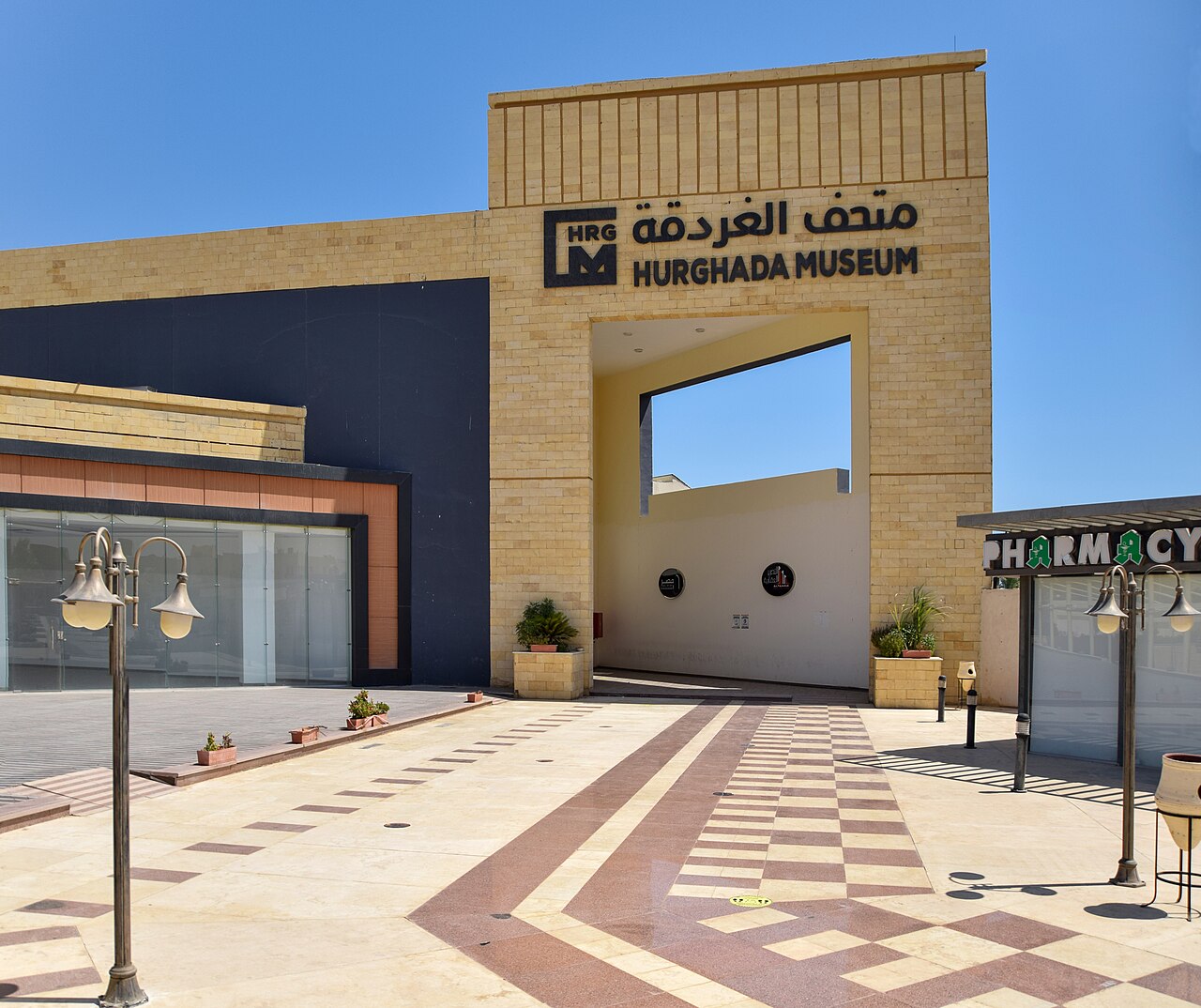
Most visitors come to Hurghada for the sea, but the Hurghada Museum offers a way to understand the country behind the beaches. It holds around two thousand relics covering ancient Egyptian, Greco-Roman, Jewish, Christian, Islamic and modern periods, which makes it a compact overview of Egyptian history rather than a deep study of one era. The visit lasts about two hours with a live guide, and the ticket includes entry, bottled water and return transport, with a maximum group of fifty. The meeting point is in the El Nasr area of town. It is a good rainy-day or midday-heat plan, an easy option for families with older children and a useful warm-up if you will also take the Luxor or Cairo day trip, because it introduces the pharaohs, the Greek and Roman periods and the Coptic and Islamic layers that those long excursions assume you know.
What to expect
The museum is a modest local collection, not a national museum, so set your expectations accordingly. Its strength is breadth: you move through eras in sequence, seeing statuary, pottery, tools, coins and items from daily and religious life. A guide explains the context of each period, which helps visitors who know little about Egyptian history. The pace is gentle, with plenty of chance for questions.
Practical details
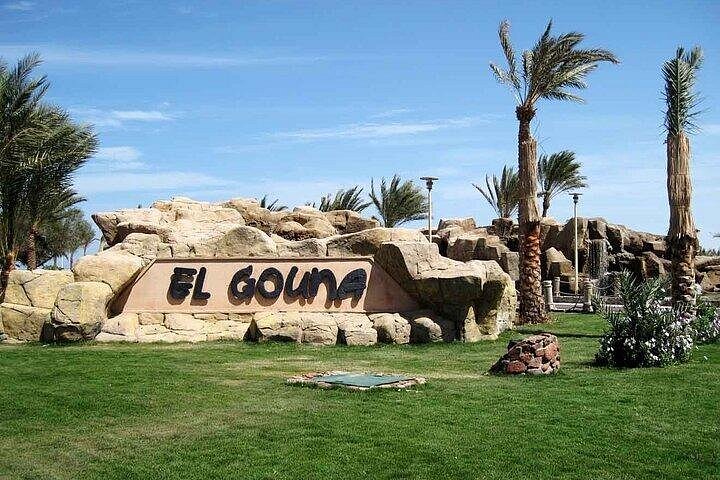
The ticket includes a guided tour and transport from the Hurghada area, while transfers from more distant resort areas such as Makadi Bay, Sahl Hasheesh, Safaga, El Gouna and Soma Bay are charged separately. Opening days and hours were not stated when we checked, so check the schedule you are given when you book, and ask whether the museum is open on Fridays and public holidays. Dress modestly, carry a little cash for tips and bring a light layer, since air conditioning can be cool.
Making it a half day
Pair the museum with a visit to the old town around El Mina Mosque, a lunch of local seafood near the marina and perhaps the Grand Aquarium in the afternoon. It is a smart choice for a rest day between boat trips, and an affordable way to give children some history on a beach holiday. If you want ancient temples and tombs rather than a summary, the Luxor day trip is far more dramatic, but it requires a very early start and a long day.
What to expect
The experience
A guided visit of about two hours through a museum of around 2,000 relics from the ancient Egyptian to the modern era, with transport and water included.
Best time
Any day, and especially in the heat of midday or when the sea is too windy for boats.
How long
About two hours, plus transfers.
Tips
Check opening days when you book, dress modestly, carry small notes for tips, and ask about transfer supplements from outlying resort areas.
Quick picks
- Best for
- Visitors who want some history and an air-conditioned break on a beach holiday.
- Families
- Works for school-age children, with a guide to keep things lively.
- Couples
- A quiet, easy morning before lunch by the marina.
- Pair with
- The old town and El Mina Mosque, then the Grand Aquarium.
- Time needed
- A morning.
Good questions
What is in the Hurghada Museum?+
About 2,000 relics covering ancient Egyptian, Greco-Roman, Jewish, Christian, Islamic and modern periods, shown as a broad overview.
How long does a visit take?+
A guided visit takes about two hours, not counting your transfer.
Is transport included?+
The ticket includes return transport from the Hurghada area. Transfers from places such as Sahl Hasheesh, Makadi Bay or El Gouna cost extra.
Is it worth visiting if I am going to Luxor?+
Yes, as a warm-up. It gives you context for the pharaonic, Greek and Roman periods you will meet in Luxor.
When is the museum open?+
Opening days and hours should be confirmed when you book, including Fridays and public holidays.