Interlaken is a year-round destination, but the Jungfrau region changes completely between seasons. Summer is about hiking, lakes and alpine meadows; winter is about skiing, sledging and snow-covered villages; and the months in between are quieter, cheaper and patchier, with some lifts and boats paused for maintenance. The right time depends on what you want to do.
Summer (June to September)
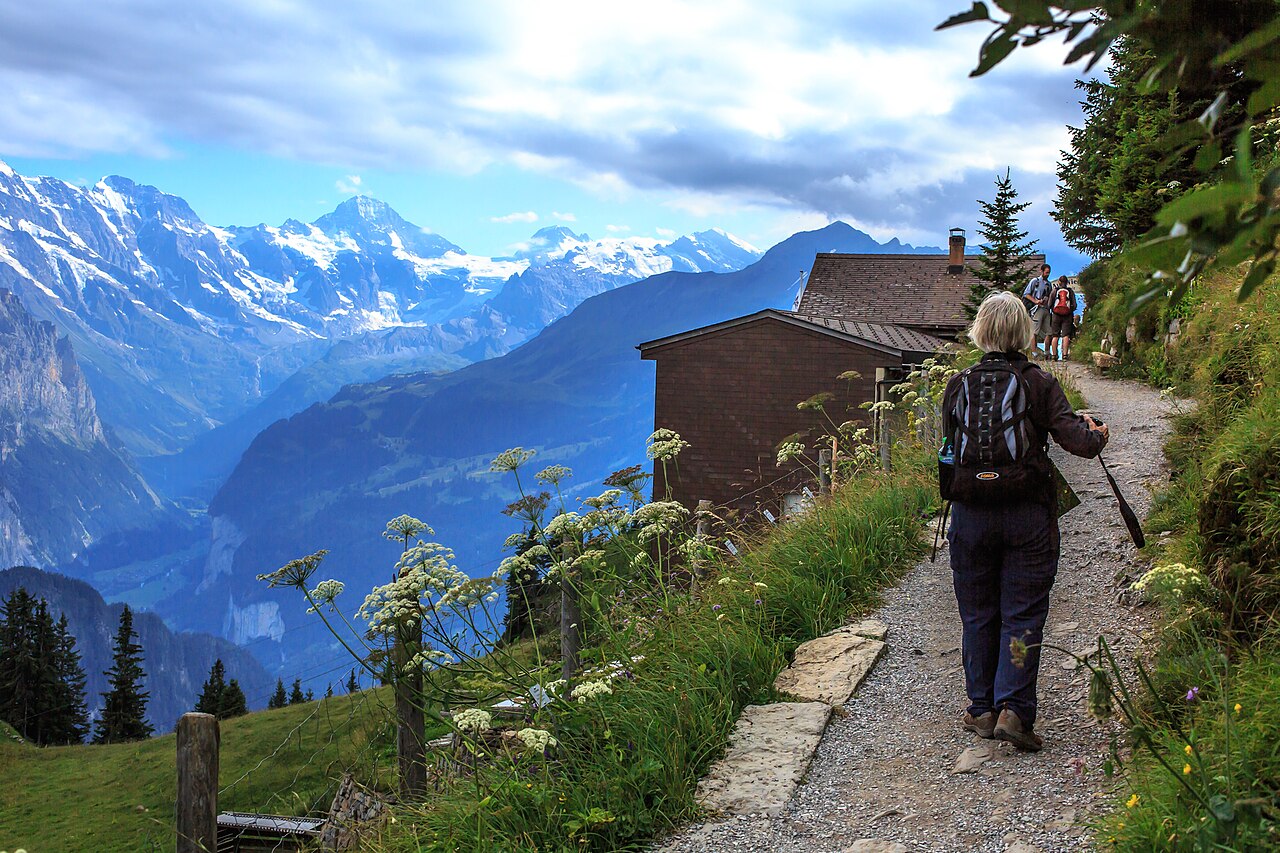
This is the main season for most visitors. Every train, cable car and boat runs, the hiking trails are clear of snow by early summer at middle altitudes and later higher up, and the meadows are full of wildflowers. July and August are the warmest and busiest months, with crowds on the Jungfraujoch trains and at the popular viewpoints, higher hotel prices and afternoon thunderstorms on hot days. June and September are often the best compromise: long days, open trails and fewer people. Start early in summer to enjoy calm, clear mornings before the clouds build.
Autumn (October and November)
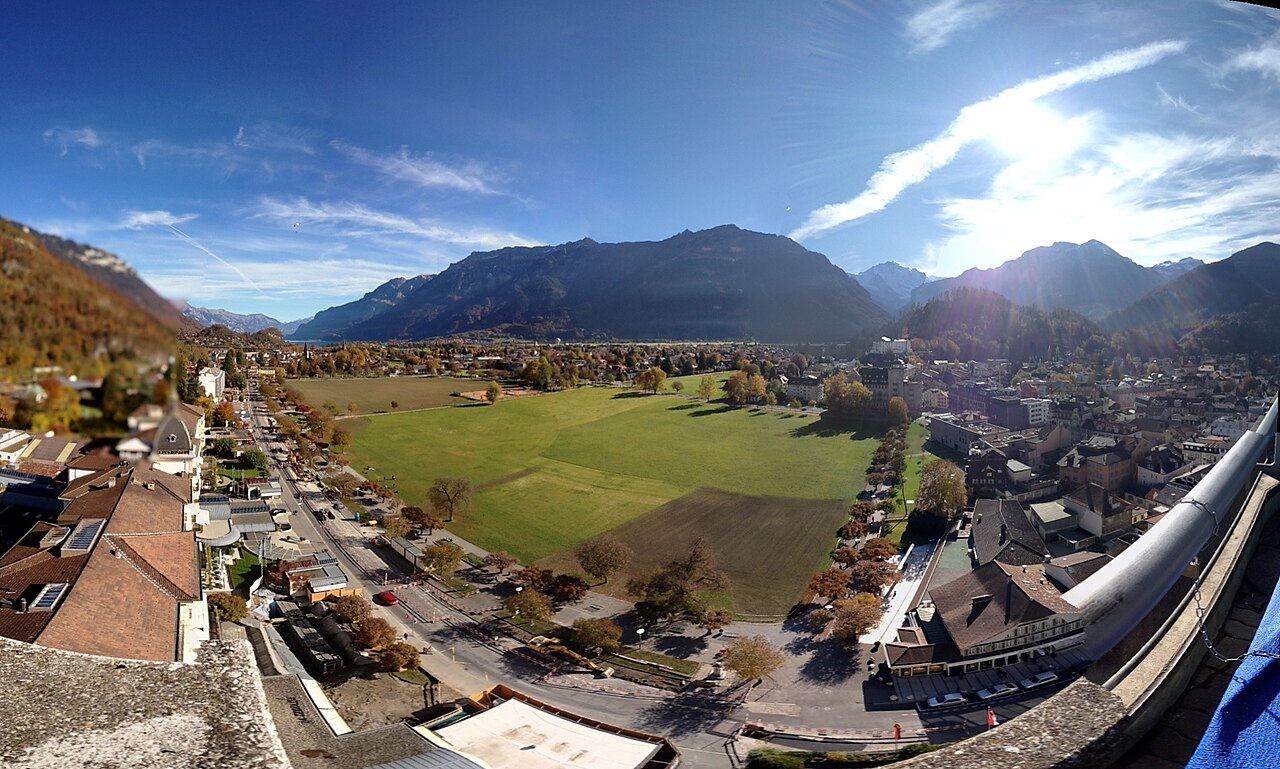
Early October can be beautiful, with golden larches, crisp air and clear views, and it is a good time for walking at lower and middle altitudes. As the month goes on, several lifts and attractions close for their annual maintenance, lake boats move to reduced timetables and some mountain hotels and restaurants shut between seasons. November is the quietest month of the year, with low prices, short days and frequent valley fog, though the mountains often sit in sunshine above it. Check what is open before you travel.
Winter (December to March)
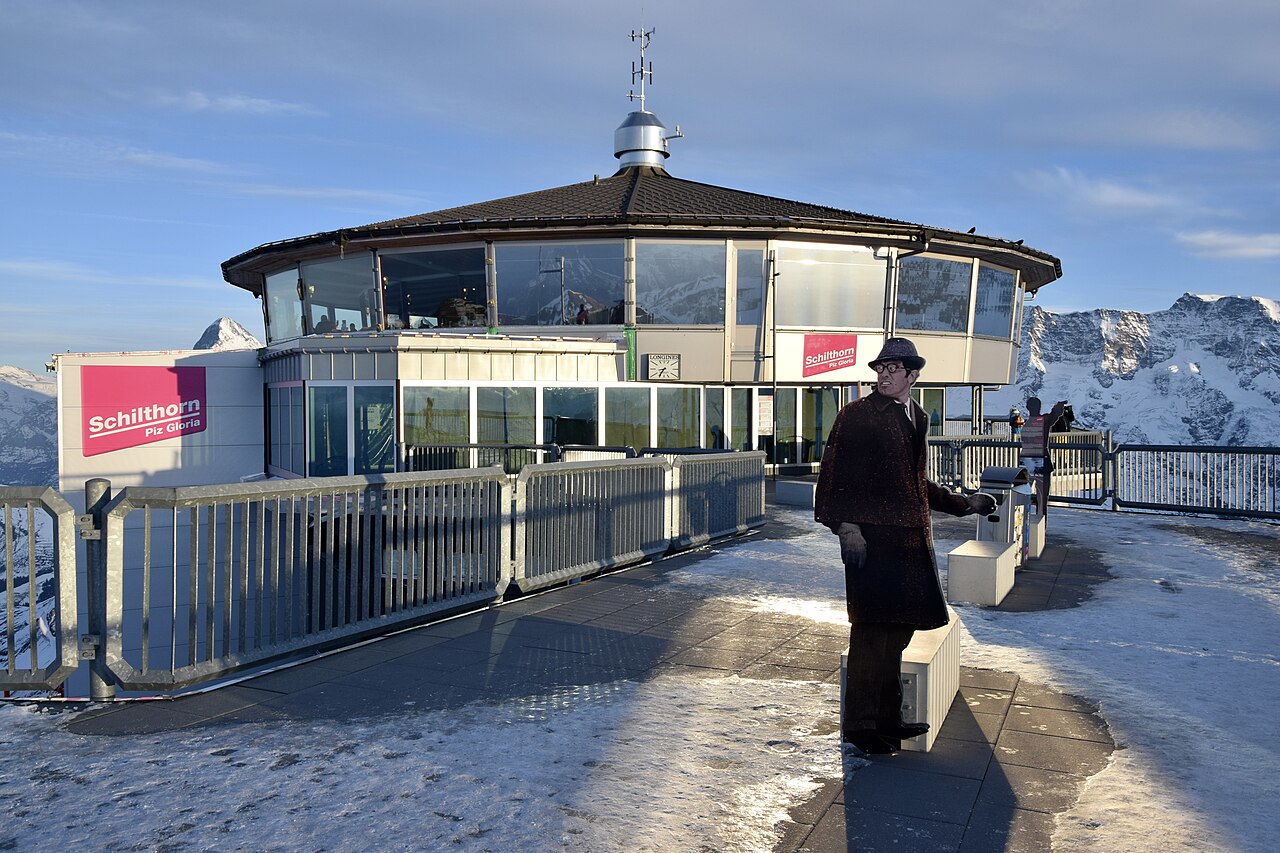
Winter turns the region into one of the classic ski areas of the Alps, with slopes around Grindelwald, Wengen, Mürren and the Schilthorn, sledging runs, winter walking paths and snowshoe trails. Jungfraujoch and the Schilthorn run for sightseers through the winter in good weather, and the snow-covered villages are at their most picturesque. The Lauberhorn races at Wengen in January are one of the most famous events on the alpine ski racing calendar. Christmas, New Year and the February school holidays are peak periods, so book early. Days are short and cold, and some summer attractions, such as certain gorges and waterfalls, are closed.
Spring (April and May)
Spring is a season of transition. The ski season ends after Easter, and many lifts close for maintenance before the summer opening, while snow lingers on the higher trails into June. In the valleys, the meadows turn green and the waterfalls are at their most powerful with snowmelt, which makes Lauterbrunnen especially impressive. It is a good time for lake cruises, valley walks and lower prices, but not for high hiking.
Weather and views
Mountain weather changes quickly in any season. The summits are often clearest early in the morning, and a cloudy day in Interlaken can be clear above the clouds, or the reverse. Check the live webcams before you buy tickets for Jungfraujoch, the Schilthorn or Harder Kulm, and keep flexible days in your plan. Bring layers, sun protection and sunglasses in every season, as the sun is strong at altitude and the snow glare is intense.
Paragliding and lakes
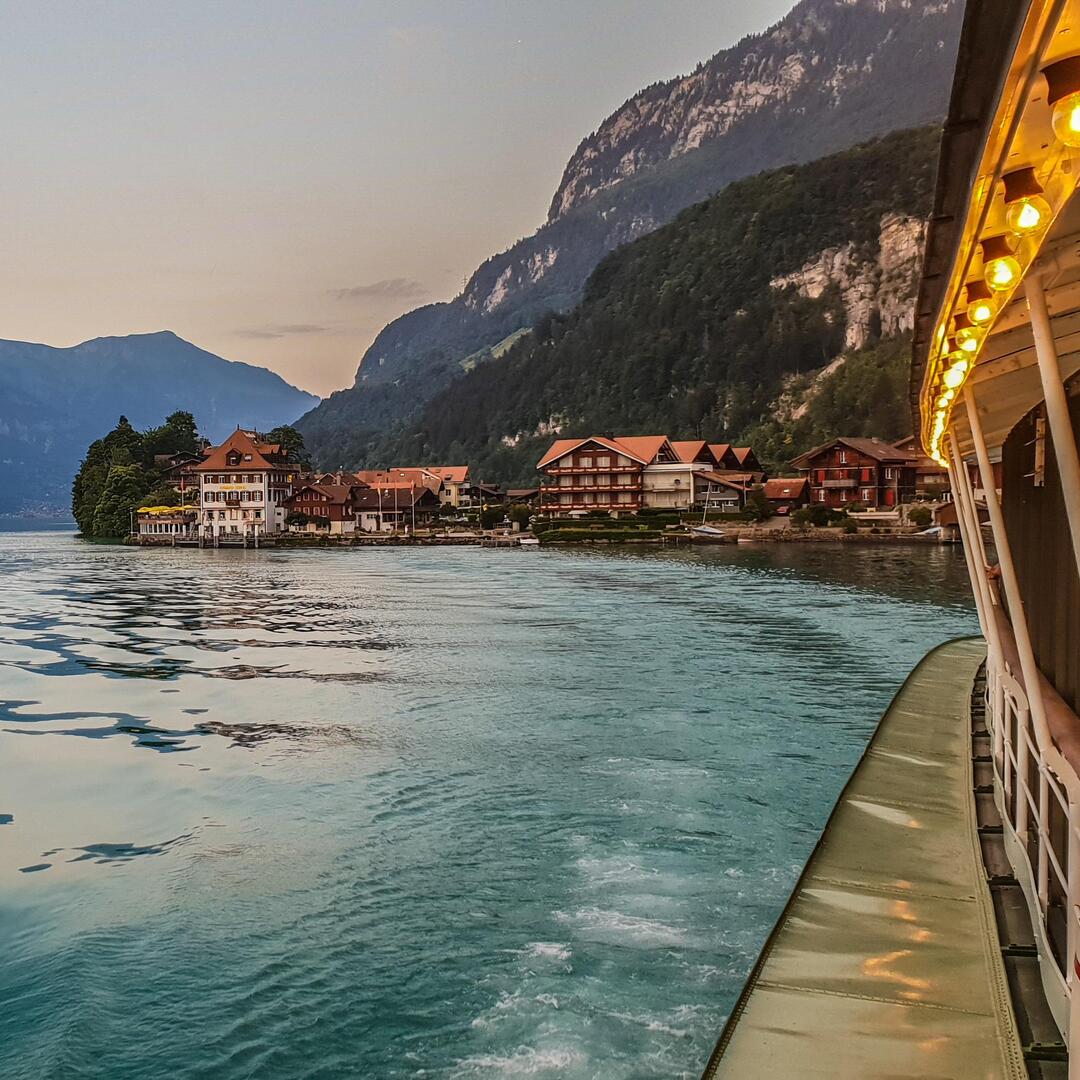
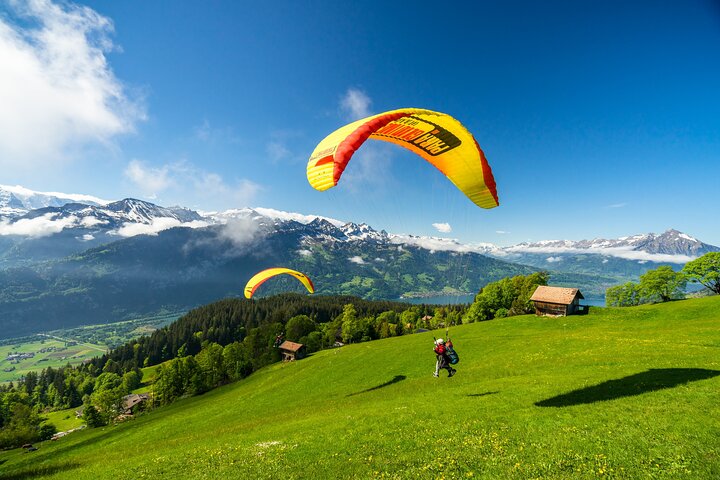
Tandem paragliding flies all year when the weather allows, and is often smoothest in the morning. Lake boats run full timetables in summer and reduced ones in the shoulder seasons and winter, so check sailings if a cruise is part of your plan.
Our pick
For hiking and the full range of excursions, go in June or September. For snow and skiing, go from late December to early March. For the lowest prices and quietest trains, consider late October or early December, accepting that some lifts may be closed. Our first-timer's guide covers seasonal openings, and our three-day itinerary adapts to any month.
Seasonal sights at a glance
Many of the region's excursions follow a summer season. The Schynige Platte railway and its alpine garden run from about June to late October; Trümmelbach Falls, the Aare Gorge and the Ballenberg open-air museum open from spring to early November; Grindelwald First and Harder Kulm close for a few weeks in late autumn; and Lake Brienz boats sail mainly from spring to autumn. Jungfraujoch, the Schilthorn, the St. Beatus Caves and Lake Thun sailings run for most or all of the year, so they are the backbone of a winter or shoulder-season visit.