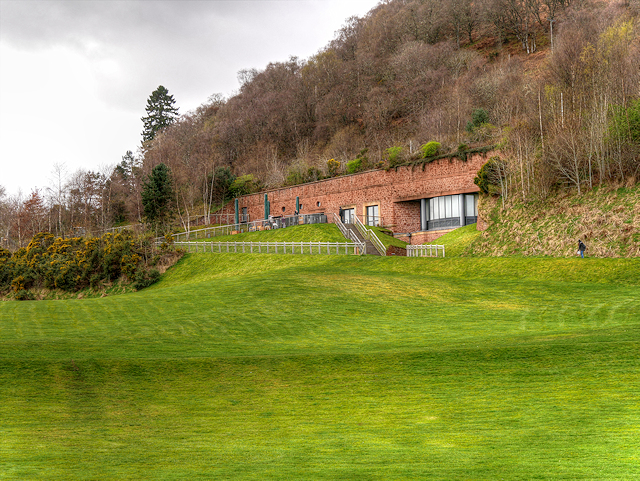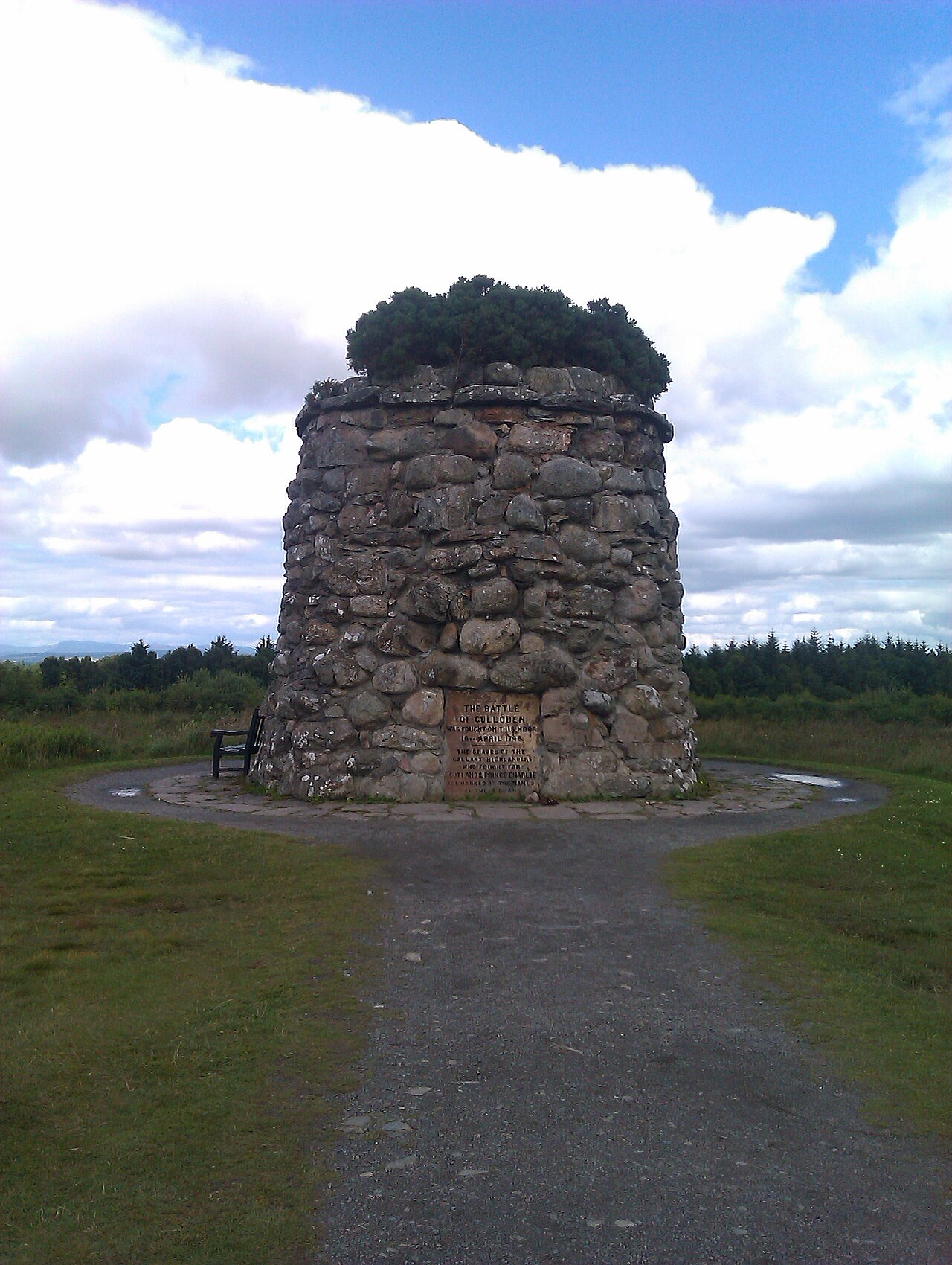
On 16 April 1746, on open moorland just east of Inverness, the Jacobite army of Charles Edward Stuart met the government forces of the Duke of Cumberland. The battle lasted less than an hour and ended in defeat for the Jacobites, the last major pitched battle fought on British soil. The aftermath shaped the Highlands for generations, with the suppression of clan society, the banning of tartan and the building of Fort George. Today the site is cared for by the National Trust for Scotland, and the visitor centre tells the story from both sides, with personal accounts, objects, a battle immersion film. Outside, the moor has been restored to its 1746 appearance and is marked by red and blue flags showing the two lines, clan grave markers and a memorial cairn. Tiqets sells an audio guide ticket that makes the walk much easier to follow.
Spend time in the visitor centre first, then walk the battlefield with the audio guide, which points out the positions, the terrain that hampered the Highland charge and the places where clans fell. The path is short and mostly flat, but exposed, so be ready for a cold wind. Leanach Cottage, the only building to survive the battle, is open at the edge of the field when staffed.
At the time of writing the NTS page shows the visitor centre open daily from 9am to 4pm with last entry at 3.30pm, though winter timetables and December closures vary, so confirm the hours for your date. Parking is free for National Trust for Scotland members and charged for others. The Trust recommends pre-booking in busy periods, and the visit usually takes about two hours.
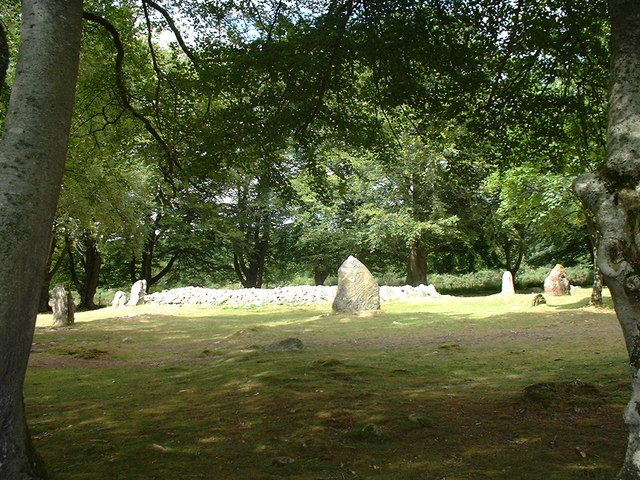
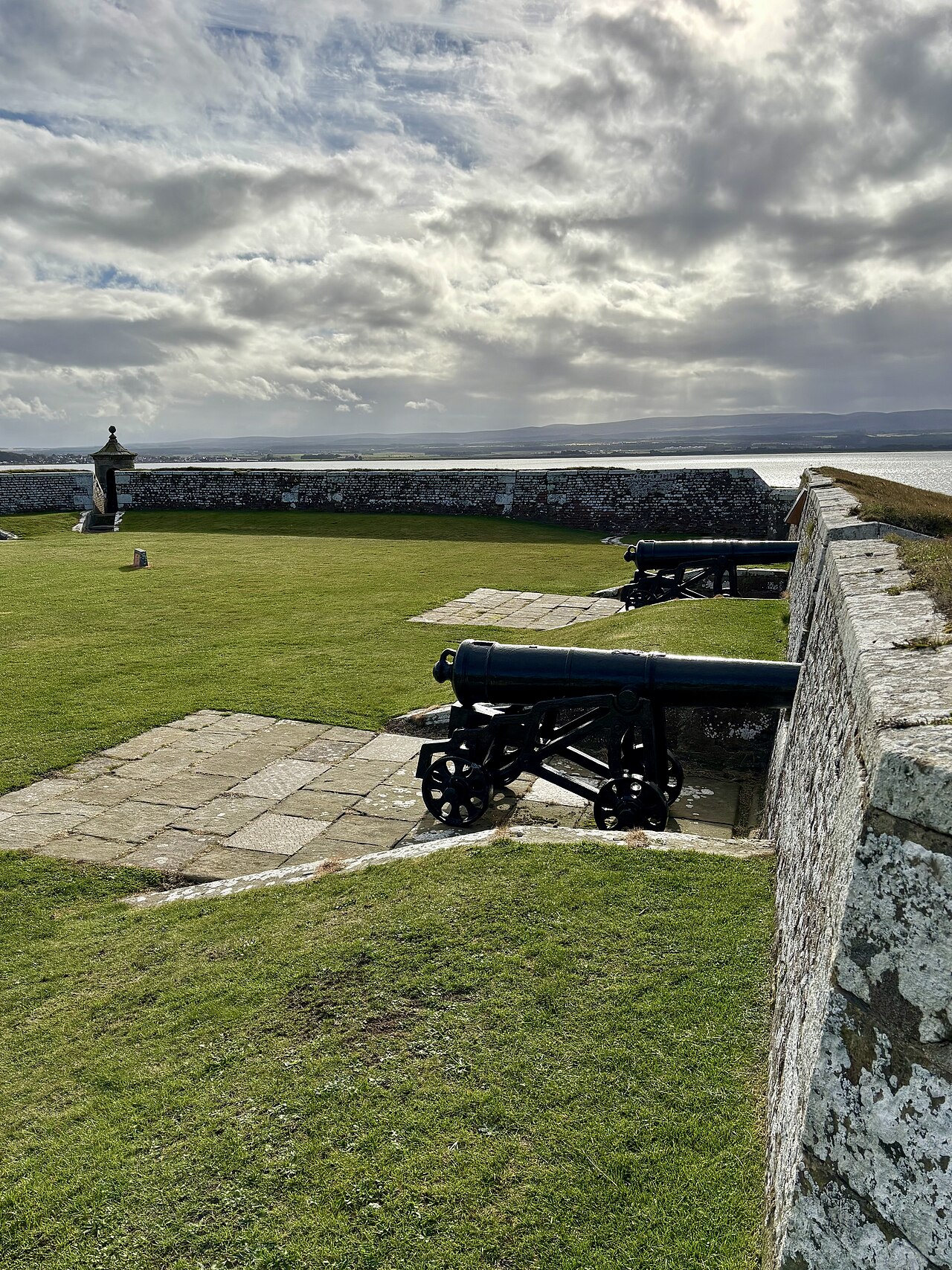
Culloden is not a light attraction, and it is not meant to be. Many visitors say it is the most affecting place they see in the Highlands, because the story is told with care and the setting is so quiet. Pair it with Clava Cairns, which is only a few minutes away, and with Fort George for the military aftermath.
What to expect
The experience
A museum visit plus an outdoor walk across the restored battlefield, with an optional audio guide and an immersive battle film.
Best time
Mornings for quiet, and dry days for the moor walk. The site feels especially atmospheric in low winter light.
How long
Two to three hours including the visitor centre, the film and the battlefield walk.
Tips
Take the audio guide, wear waterproof shoes, and confirm winter hours and last entry before you go.
Quick picks
- Best for
- Anyone curious about the Jacobite risings, Outlander fans and history lovers.
- Families
- Older children who know some history will get a lot from it, though the subject is sobering for the very young.
- Couples
- A reflective morning followed by lunch in nearby Culloden village or back in Inverness.
- Pair with
- Clava Cairns, Fort George and Cawdor Castle in the summer season.
- Time needed
- Half a day, or a morning combined with Clava Cairns.
Good questions
What happened at Culloden?+
On 16 April 1746 the Jacobite army was defeated by government forces in a battle that lasted under an hour. It ended the last Jacobite rising and changed Highland life.
How far is Culloden from Inverness?+
The battlefield is about five miles east of the city, a short drive or taxi ride. Local buses also serve the area.
Is the visitor centre open in winter?+
The NTS lists the visitor centre as open daily with short hours and last entry in the afternoon. Hours can vary around Christmas and New Year, so check before travelling.
Do I need an audio guide?+
It is not compulsory, but it helps you follow the battle positions and clan stones as you walk. Tiqets lists an audio guide ticket for the site.
Is there parking?+
Yes, with free parking for National Trust for Scotland members and a pay and display charge for other visitors. The car park is beside the visitor centre.