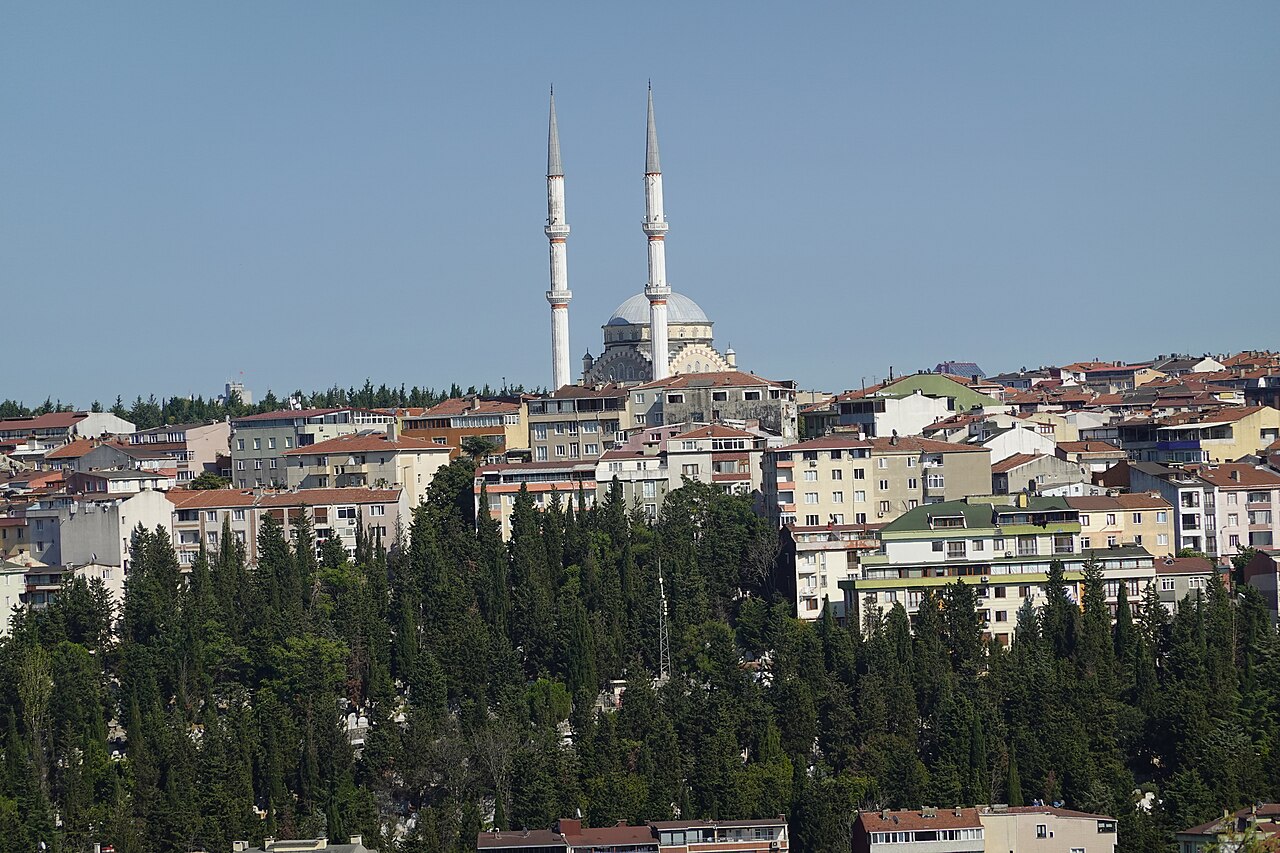
Eyup is a different Istanbul: devout, traditional and deeply atmospheric, at the head of the Golden Horn beyond the old city walls. Its heart is the tomb of Abu Ayyub al-Ansari, Eyup Sultan to Turks, a companion and standard-bearer of the Prophet Muhammad who is believed to have died during an Arab siege of Constantinople in the seventh century. After the conquest of 1453 Mehmed II built a mosque and complex beside the rediscovered grave, making it the most sacred Muslim site in the city; Ottoman sultans were girded with the sword of Osman here on their accession. The present mosque dates from around 1800, rebuilt under Selim III in an elegant baroque-influenced style, and the courtyard, shaded by huge plane trees and busy with pigeons and pilgrims, is one of the most moving places in Istanbul, especially on Fridays and religious holidays, when families bring boys dressed in white satin before their circumcision ceremonies. Behind the mosque, the hillside is covered by one of the oldest Muslim cemeteries in the city, dating to the fifteenth century, where carved marble headstones topped with turbans and fezzes mark the graves of viziers, scholars and officials. A path climbs through it to the top of the hill, where the cafe named for Pierre Loti, the French naval officer and novelist who loved Istanbul in the late nineteenth century, looks down the full length of the Golden Horn towards the old city. Everything here is free, apart from your tea.
Getting there: Eyup is easiest by the Golden Horn ferry from Karakoy or Eminonu, which calls at Fener, Balat and Ayvansaray on the way, a slow, scenic ride, or by bus or taxi along the shore road. From the ferry pier it is a short walk to the mosque square. For the hilltop, either walk up through the cemetery in around twenty minutes, steep but beautiful, or take the short cable car that runs up from near the shore when it is operating, then walk down through the cemetery afterwards, which is easier on the knees.
Visiting the shrine: Eyup Sultan is a working mosque and a pilgrimage site, so dress conservatively, women cover their hair, and keep voices low. Visit the tomb, where pilgrims queue to pray at the window, and then the mosque outside prayer times. Avoid Friday noon, when the courtyard is packed with worshippers, unless you want to experience it as a quiet observer. The streets around the square have shops selling prayer beads, religious books, rose water and sweets, and simple restaurants serving kebabs and the local milky desserts.
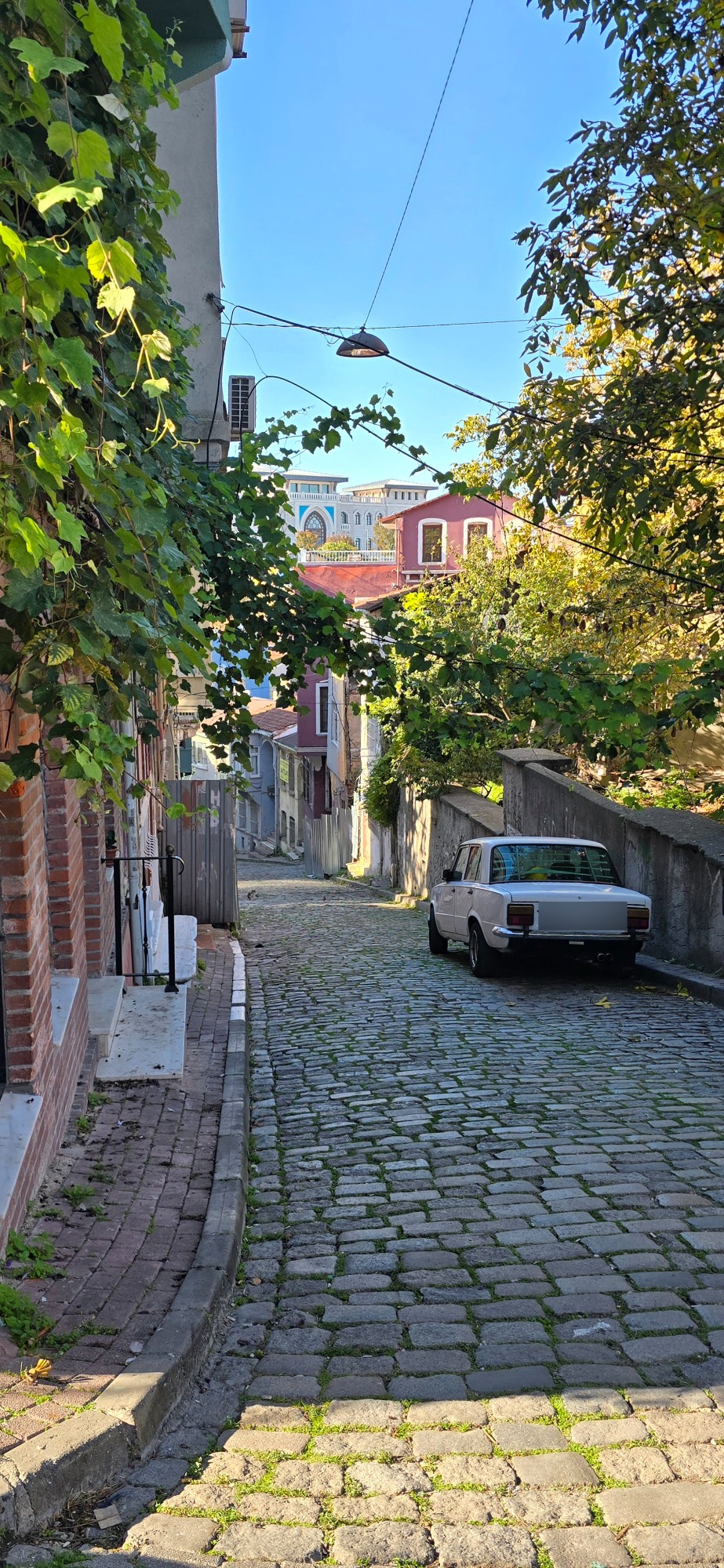
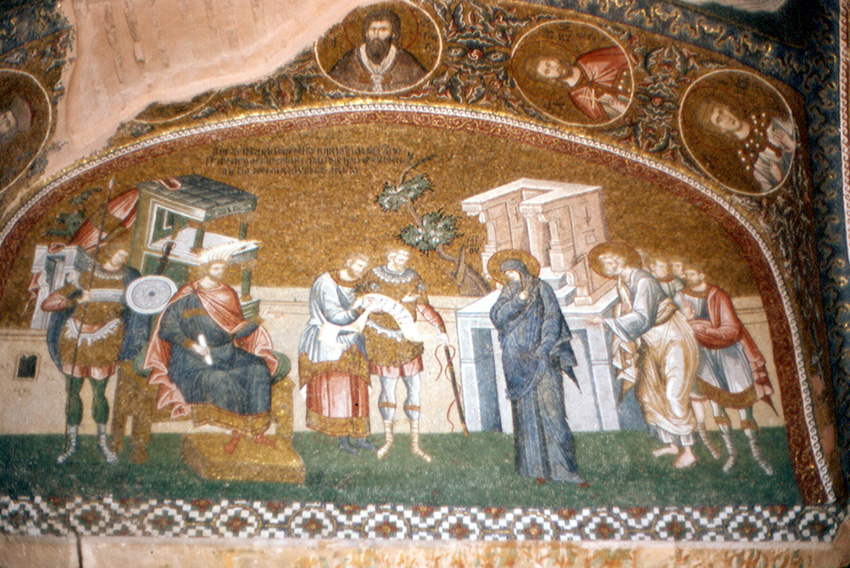
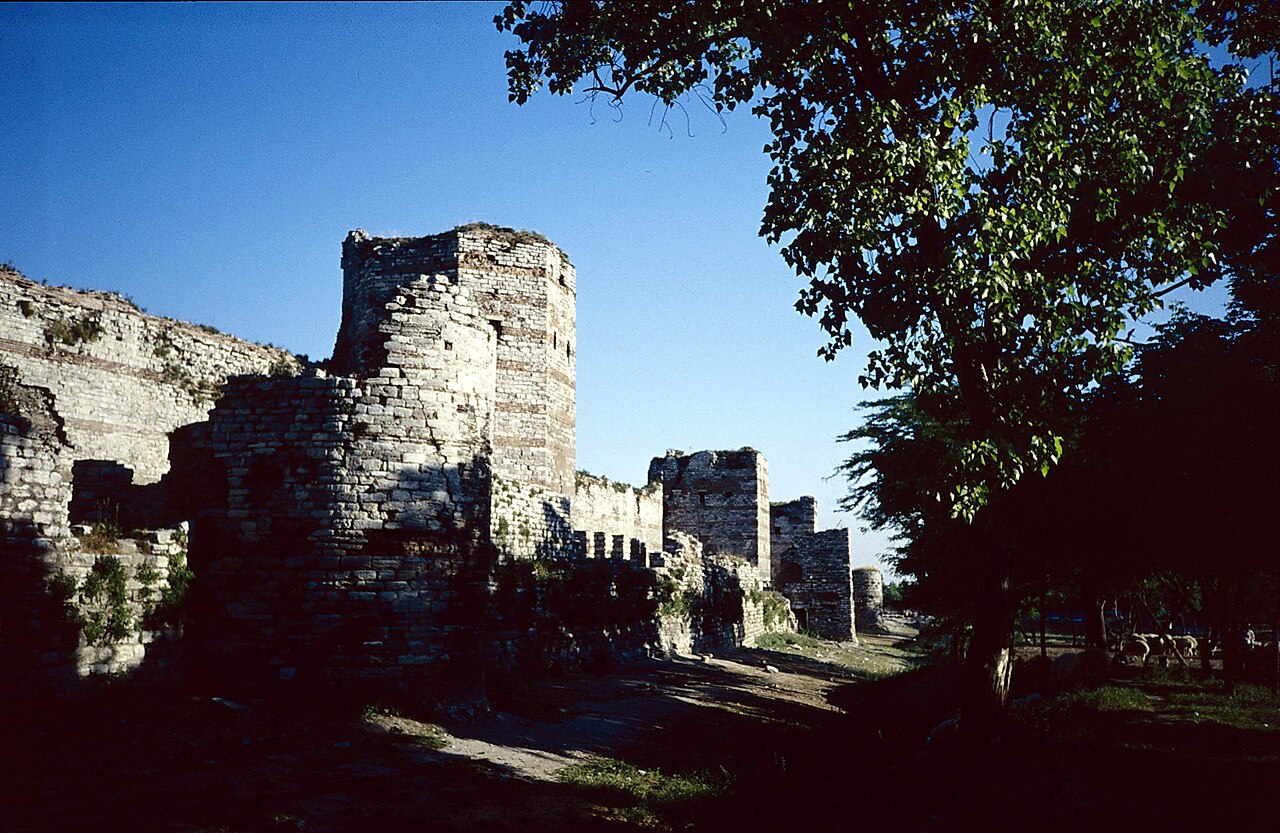
At the top, the Pierre Loti cafe and its terraces are busy at weekends and at sunset, when the view of the Golden Horn is at its most beautiful, so arrive early to get a table at the edge. The hilltop has more cafes and a hotel, and the price of tea is modest. Eyup combines naturally with Fener and Balat, which lie on the same ferry route, and with Chora and the Land Walls, a short taxi ride away, for a full day exploring the less visited northwest of the historic city. Because few foreign visitors make it this far, the neighborhood feels refreshingly unhurried, and a quiet hour in the mosque courtyard, watching families arrive with their children and pilgrims feeding the pigeons, is one of the most authentic experiences Istanbul offers. Bring small change for the tea and a scarf for the shrine.
What to expect
The experience
A mosque and pilgrimage shrine in a traditional neighborhood, a walk or cable-car ride up through a historic cemetery, and a hilltop cafe terrace overlooking the Golden Horn.
Best time
A weekday morning for the shrine, then sunset on the hill. Avoid Friday noon unless you want to see the mosque at its busiest.
How long
Half a day including the ferry.
Tips
Dress conservatively and women bring a headscarf. Take the cable car up when it is running and walk down through the cemetery. Arrive early at the cafe for an edge table at sunset.
Quick picks
- Best for
- Travelers interested in Islamic culture and anyone wanting a view of the Golden Horn away from the crowds.
- Families
- The ferry and the cable car appeal to children; the shrine requires quiet behavior.
- Couples
- Tea on the Pierre Loti terrace at sunset, then a walk down through the old cemetery.
- Pair with
- Fener and Balat on the same ferry route, or Chora and the Land Walls nearby.
- Time needed
- Half a day.
Good questions
Who is buried at Eyup Sultan?+
Abu Ayyub al-Ansari, a companion and standard-bearer of the Prophet Muhammad, believed to have died during an Arab siege of Constantinople in the seventh century. His tomb is the holiest Muslim site in Istanbul.
Can non-Muslims visit the Eyup Sultan Mosque?+
Yes, outside prayer times, with modest dress and a headscarf for women. Behave quietly, as it is an active pilgrimage site.
Who was Pierre Loti?+
A French naval officer and novelist who lived in and wrote about Istanbul in the late nineteenth century. The hilltop cafe and the hill itself are named after him.
How do I get up Pierre Loti Hill?+
Walk up through the cemetery in about twenty minutes, or take the short cable car from near the shore when it is operating.
How do I get to Eyup?+
By the Golden Horn ferry from Karakoy or Eminonu, which also stops at Fener and Balat, or by bus or taxi along the shore road.