The Museo Arqueologico de la Costa Grande sits in the historic center of Zihuatanejo, directly on the Paseo del Pescador, facing Olof Palme Plaza at the foot of the bridge over the Boquita Canal. The building dates from 1947, with stone columns and a tile roof, and it covers the early history of the Costa Grande and the wider region of Guerrero. The collection includes pottery, clay figures and obsidian tools and weapons, as well as objects that show influences from the Olmec, Teotihuacan, Triple Alliance and Tarascan cultures. It has six galleries, from an introduction to archaeology to colonial times, and a rehabilitation inaugurated in April 2025 refreshed the building. It is small enough to see in an hour, which makes it an easy add-on to a walk along the waterfront.
Why it matters
Zihuatanejo's modern story is of a fishing village turned resort, but the coast has a far older history of trade and settlement. The museum is where that story is told, with objects that show contact between communities on the coast and cultures far inland. It explains why the Xihuacan region and its pre-Hispanic past matter, and it gives context to the names and legends you hear around the bay.
Planning
The museum is in the old center and is easy to reach on foot from the Paseo del Pescador, the Plaza del Artista and the town pier. The visitor-board page does not state hours or admission, so check current opening days and fees before you walk over, since small museums often close on Mondays. Labels are mainly in Spanish, and if you read some Spanish you will get far more from the galleries. A rehabilitation reported at just over 4.8 million pesos reopened the building in April 2025.
Make it a morning
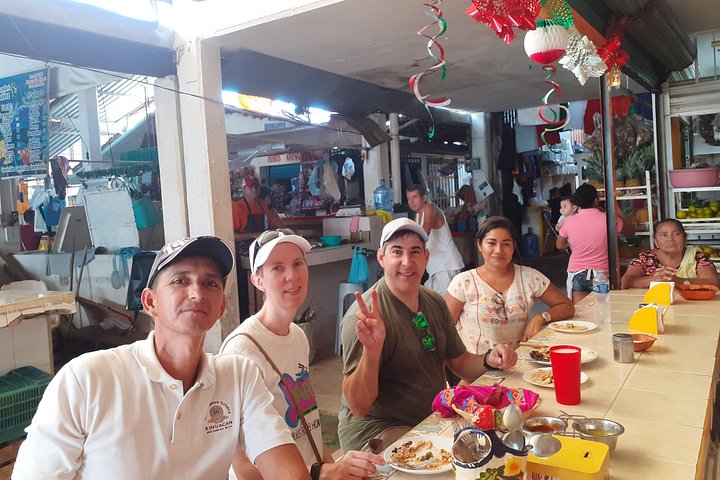
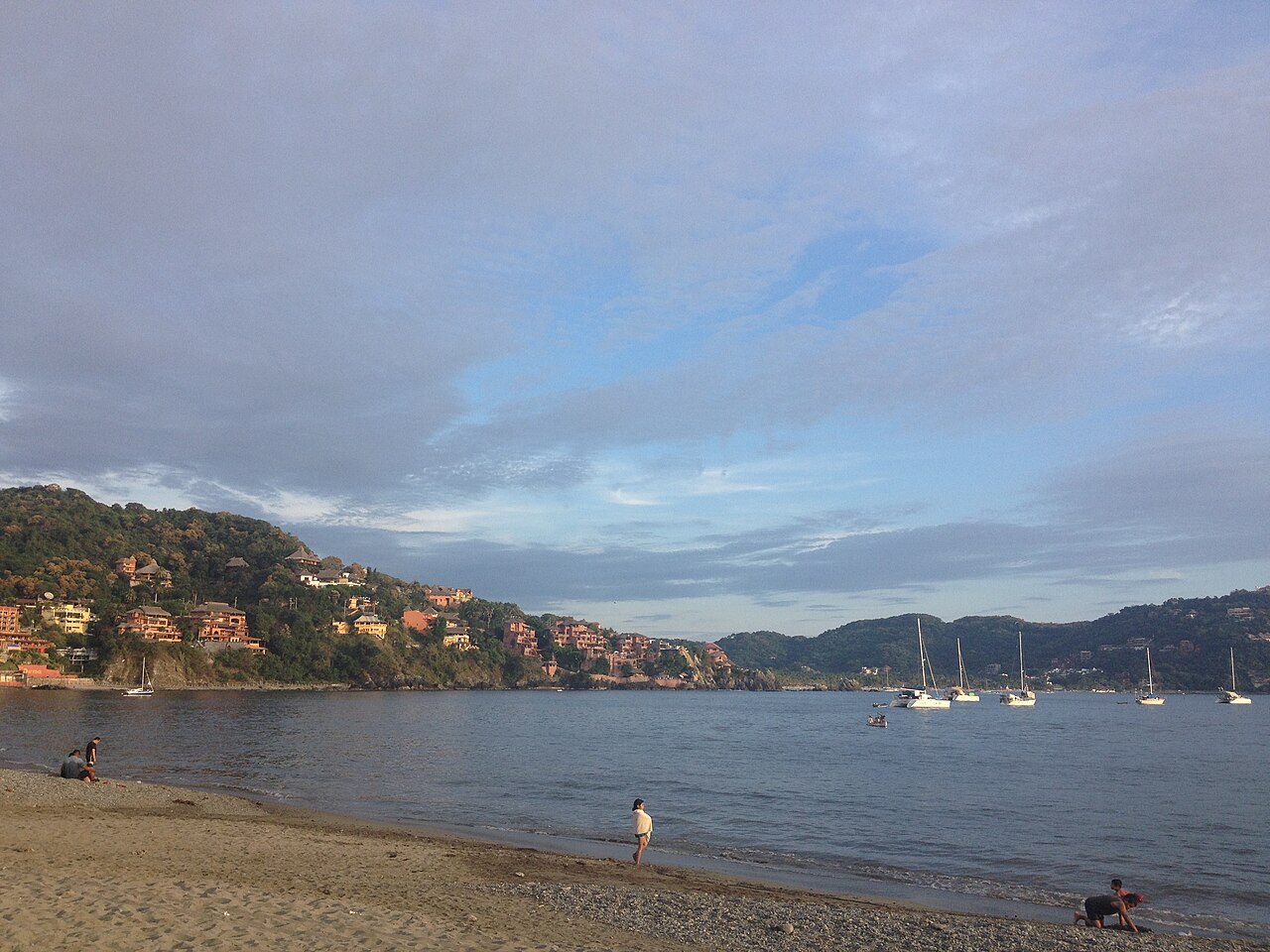
Visit early when the center is cool, then walk along the waterfront for coffee and stop at the Plaza del Artista, which hosts exhibitions and sales of regional artists work just to the west. The museum pairs well with the food tour, which starts in the same part of town, and with a sunset dinner on the bay. Bring small bills in case an entrance fee applies.
What to expect
The experience
A self-guided visit through six small galleries of regional archaeology and history.
Best time
Morning, when the center is cooler and quieter.
How long
About an hour.
Tips
Check opening days and any admission fee before you go, and expect most labels in Spanish.
Quick picks
- Best for
- Curious travelers who want local history alongside beach time.
- Families
- Short and compact, so older children can manage it, though much of it is Spanish-only.
- Couples
- A quiet cultural stop that fits neatly into a waterfront stroll.
- Pair with
- The Paseo del Pescador and the Plaza del Artista.
- Time needed
- About an hour.
Good questions
Where is the museum?+
It is in the historic center of Zihuatanejo, directly on the Paseo del Pescador, facing Olof Palme Plaza. It is a short walk from the town pier.
What is in the collection?+
The museum shows pottery, clay figures and obsidian tools, plus objects showing Olmec, Teotihuacan, Triple Alliance and Tarascan influences. Its six galleries run from archaeology to colonial times.
Is there an admission fee?+
The tourism page does not say, so check the current fee and hours before you visit. Take small bills in case you need to pay at the door.
Was the museum renovated?+
A rehabilitation of the building was inaugurated in April 2025. It is open to visitors again, but check current opening days.
Do I need Spanish?+
Most labels are in Spanish, so a little Spanish or a translation app helps. The objects are interesting even without the text.