Ixtapa and Zihuatanejo are warm all year, so the question is less whether to go and more which kind of trip you want. The coast has a dry season and a wetter, greener season, each with its own character, and the best choice depends on whether you prioritize sunshine, wildlife, lower prices or quiet beaches. This guide explains how the seasons shape the experience, so you can match the time of year to your plans.
The dry season, roughly November to April
This is the most popular time to visit, with plenty of sunshine, lower humidity and generally calmer weather. Days are warm and evenings are pleasant, which makes it ideal for beach days, boat trips and long walks on the Paseo del Pescador. It is also the busiest period, with the highest prices and the most crowded beaches and restaurants, especially around the winter holidays and school breaks. Book accommodation and popular activities early, and expect to share the best sunset spots with other visitors.
The wetter season, roughly June to October
Rain tends to arrive in the afternoon or evening, the landscape turns lush and green, and humidity and temperatures rise. The beaches are quieter, prices are often lower and the sea can be warm, though it may also be rougher and boats may not run on some days. This is also the Pacific hurricane season, so check forecasts, travel insurance and your hotel's policies before you book, and stay flexible. Plan outdoor activities for the morning, before clouds build, and keep a rainy-day option such as a cooking class or the museum.
The shoulder months
May and November sit between the seasons and can offer a good balance of weather, prices and crowds, though conditions vary from year to year. Late spring is hot and humid before the rains arrive, while November is often green and fresh as the dry season begins. If you are flexible, the shoulder months can be a smart choice, and you can check the weather forecast closer to your dates.
Wildlife by season
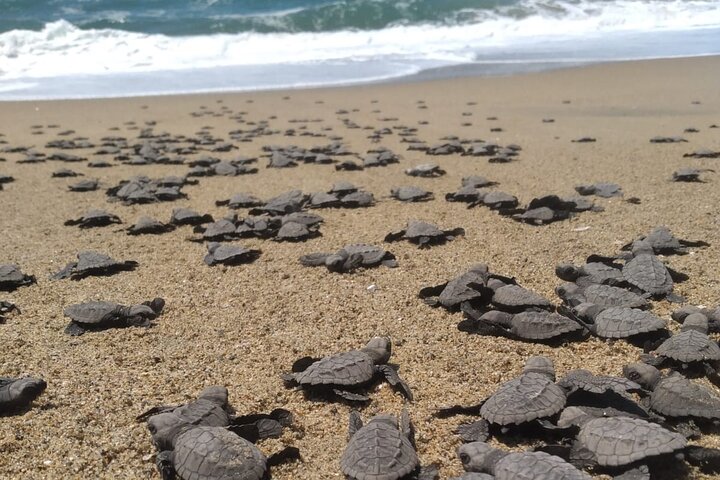
Whale watching is a winter activity, generally from around December into March, when whales pass along the Pacific coast. Baby sea turtle releases depend on nesting and hatching seasons, which vary, so ask the operator what to expect on your dates. Bird watching at lagoons such as Barra de Potosi changes through the year, with different species and water levels at different times. If wildlife is your priority, ask local operators for the current picture, since nature follows its own calendar.
Sea conditions
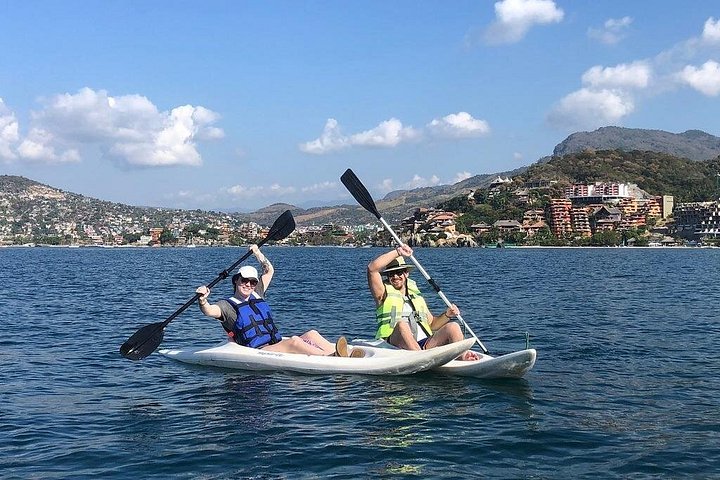
The sheltered bays at Playa La Ropa and Playa Las Gatas are calm for much of the year, which is why they are favorites for swimming, kayaking and snorkeling. The open-ocean beaches, such as Playa El Palmar in Ixtapa, have stronger surf and currents at any time, and conditions can become more challenging after storms. Follow flags and lifeguard advice, never swim alone and choose sheltered water for children. Boat trips to Isla Ixtapa and Las Gatas are best on calm mornings, and operators will cancel when the sea is rough.
Crowds and prices
Holiday weeks, long weekends and the winter high season bring the largest crowds and the highest rates, while quieter periods offer more space and better value. Weekdays are generally calmer than weekends, and mornings are calmer than afternoons on popular beaches. If you prefer a quiet stay, consider a smaller hotel in Zihuatanejo, such as Hotel Irma or La Casa Que Canta, while an all-inclusive resort such as Park Royal Beach Ixtapa or a full-service one like Las Brisas Ixtapa suits families who want everything on site.
A simple rule of thumb
If you want guaranteed sun and the widest choice of activities, travel in the dry season and book early. If you want quiet beaches, lower rates and green hills, choose the wetter months and stay flexible. If you want a bit of both, aim for the shoulder months, and always leave a spare day in your itinerary for the weather to decide.
Packing and planning
Light, breathable clothing, a hat, sunglasses, reef-safe sunscreen and a refillable water bottle are essential at any time of year. In the wetter season, add a light rain jacket and quick-dry clothes, and in winter, bring a light layer for the evenings and boat rides. Check the local travel advice before you go, confirm opening days for attractions and keep your plans flexible, since weather can change the best day for each activity. Whatever the month, mornings are the best time for the beach, the water and any outdoor adventure.