Jakarta is one of Asia's great eating cities, a place where Betawi, Javanese, Sundanese, Chinese and Arab influences meet on the same pavement. The food is cheap, varied and often superb, and the experience ranges from a plastic stool at a night stall to a tasting menu in a hotel. This guide covers what to eat, where to start, how to stay well and how to match a meal to your mood.
Dishes to look for
Start with the classics. Nasi goreng, fried rice usually topped with a fried egg, is the national comfort dish. Satay, small skewers of grilled meat with peanut sauce, is found everywhere. Soto, a fragrant soup, comes in many regional versions, including a Betawi style with a rich broth. Gado-gado is a salad of vegetables and peanut sauce, a gentle choice for vegetarians. Martabak, either a sweet thick pancake or a savoury stuffed one, is a late-night favourite. Kerak telor, a Betawi omelette cooked with sticky rice, is a local speciality, and sweet iced drinks and desserts such as es campur cool you down.
Street food and night tours
The best way to start is with a guide. The night tour with street food combines city views after dark with tastings at busy stalls, and a private guide solves the problems of finding good places, ordering and getting back to the hotel. Evenings are cooler, the stalls are lively and the food is cooked fresh. Eat lightly at lunch, share dishes and sample a little at each stop. If you prefer to go alone, choose stalls with queues and food cooked in front of you.
Chinatown and Glodok
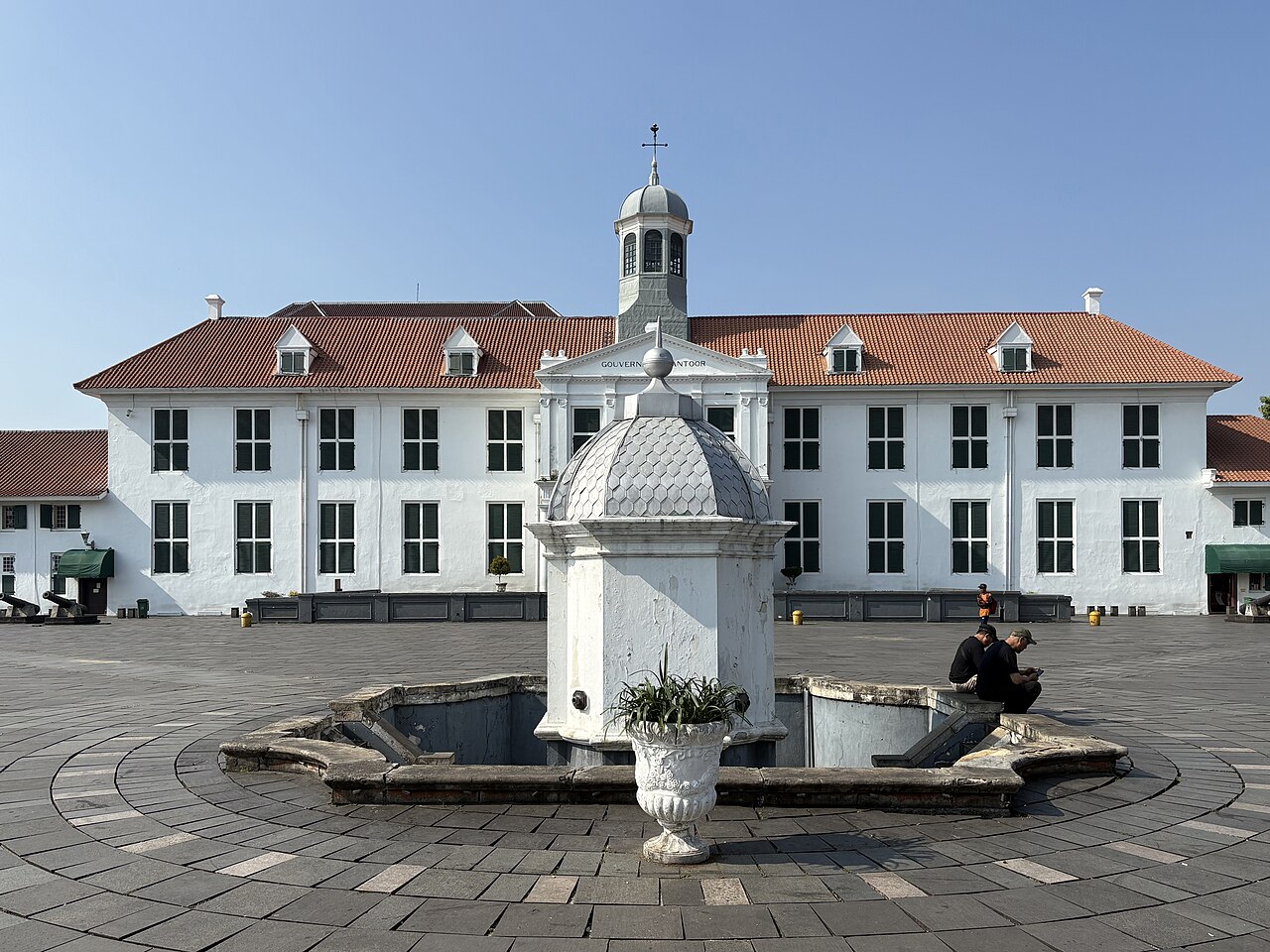
For a different flavour, go to Glodok, the historic Chinatown in West Jakarta, where market lanes, bakeries and snack stalls cluster around Petak Sembilan. The guided afternoon walk explains what you are seeing and points to the best tastes, from snacks and pastries to soups and tea. Note that some Chinatown stalls serve pork, so tell your guide about your diet and ask before you taste. Combine it with a morning in Kota Tua, which has cafes on the square and a gentler pace.
Staying well
A few habits go a long way. Drink bottled or boiled water, avoid ice if you are unsure of its source, choose busy stalls with high turnover, and prefer food that is cooked hot in front of you. Wash your hands or use sanitiser before eating, carry tissues, and start with milder dishes to let your stomach adjust. Ask for less chilli if you are unsure, because sambal can be very hot. If you have allergies, learn the Indonesian words for your allergen and tell your guide, since menus and labels are often limited.
Halal, vegetarian and other diets
Indonesia is a majority-Muslim country, so halal food is easy to find outside Chinatown, and pork is rarely served outside Chinese and a few other venues. Vegetarians can eat well on gado-gado, tempeh, tofu and vegetable dishes, but should ask about shrimp paste and fish sauce, which appear in many sambals. Say your needs clearly and repeat them at each stop.
Coffee and drinks
Indonesia is a major coffee producer, and Jakarta has a lively cafe scene alongside traditional stalls serving strong, sweet coffee. Fresh fruit juices, young coconut and iced tea are widely sold. Alcohol is available in hotels, bars and many restaurants but is more limited and more expensive than in many countries, and some venues do not serve it. Respect local customs, drink moderately and avoid public intoxication.
Hotel dining for a quieter meal
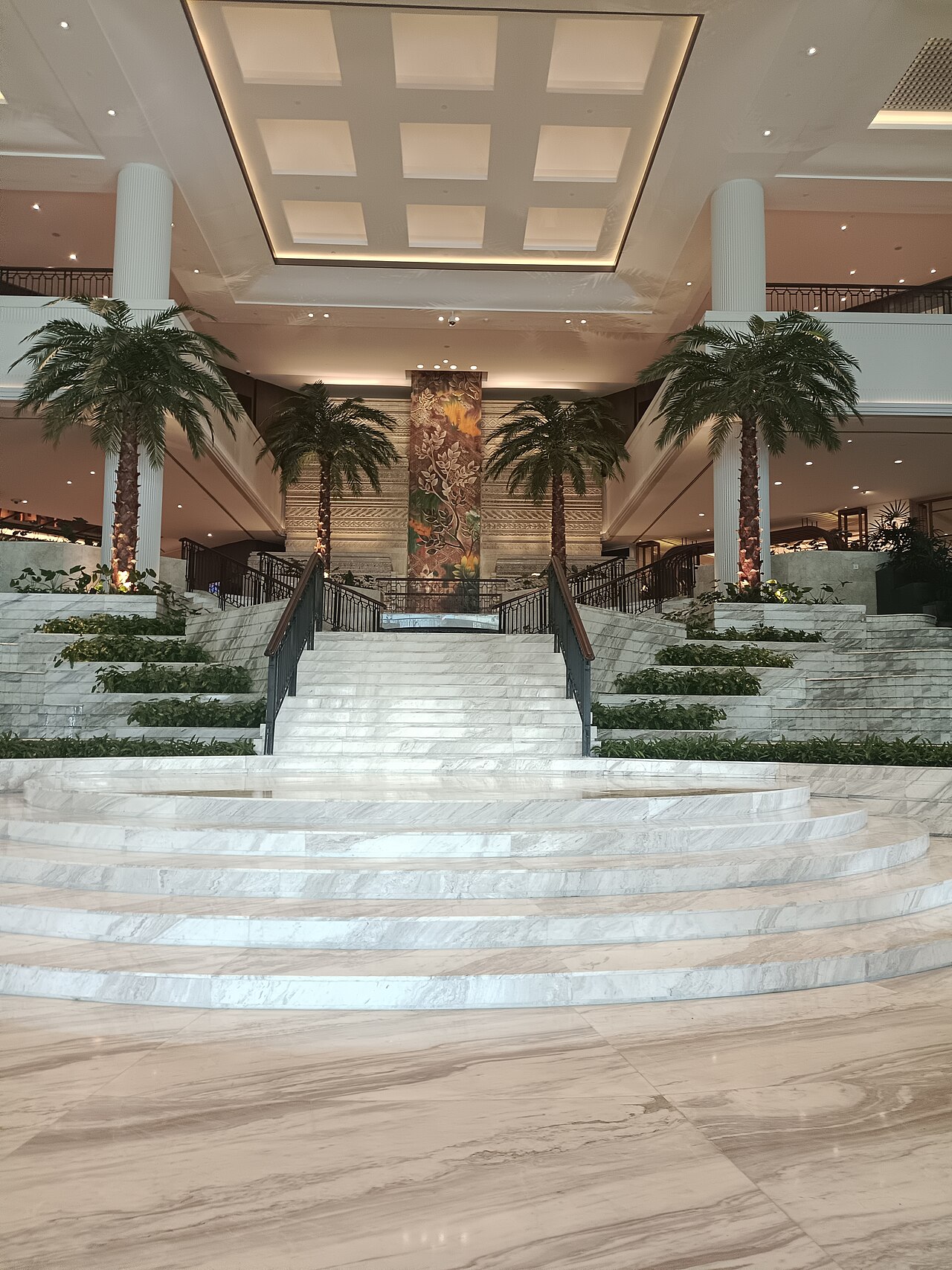
When the heat, the traffic or the crowds get to you, a hotel restaurant is a comfortable fallback. The Grand Hyatt Jakarta has five restaurants and a club lounge, and the Hotel Indonesia Kempinski Jakarta offers several restaurants and bars, including a German-style brewery restaurant and a Japanese restaurant. The Mandarin Oriental, Jakarta has two on-site restaurants and a poolside bar. A hotel meal costs more than a stall, but it is air-conditioned, predictable and a good choice for families with young children.
A simple eating plan
Breakfast at your hotel or a local cafe, a light lunch in a mall or a Kota Tua cafe, a Chinatown snack in the afternoon and a night street food tour in the evening gives you a full tour of the city's food in a few days. Leave one evening for a hotel dinner, and one for something you found yourself. Carry small notes for stalls, take photos of dishes you like so that you can ask for them again and always follow your guide's lead on what is safe.