Along Jeddah’s waterfront, between the traffic and the sea, stands one of the more surprising collections of public art in the region. The open-air sculpture museum is not a building but a series of large modern sculptures placed along the Corniche and in the surrounding roundabouts and parks, installed in the decades after the city began investing in its seafront. Works attributed to well-known international artists, including names such as Henry Moore, Joan Miró and Alexander Calder, sit alongside pieces by Saudi and regional artists, and newer commissions have been added over time. The sculptures range from abstract curves to playful forms, and the clear light off the Red Sea suits them well. It is free, always visible and easy to fit into a waterfront walk, drive or evening outing.
Why it matters
Public art says something about how a city sees itself, and Jeddah’s sculptures show a port city that wanted its seafront to be a place of culture as well as commerce. The collection grew from a municipal drive, beginning in the 1970s, to beautify the city, and it has been described as one of the largest open-air collections of its kind in the Middle East. The works are scattered, so seeing them is a mix of walking and short drives, and each has its own setting, from roundabouts to open waterfront.
What to expect
There is no single entrance, ticket or opening time. The sculptures are outdoor works placed at different points along the Corniche, so a visit is a self-guided wander or a slow drive between them. Some are close to the waterfront promenade, while others stand at junctions or in small parks. Plan to see a handful rather than all, and use your phone map to find those near your hotel.
Newer works are added over time and older ones can be moved or restored, so the exact line-up changes. Plaques are not always present, so a quick search for the artist’s name helps with context, and a guided city tour may stop at some of the better-known pieces.
How to visit
The best light is late afternoon, when the sun is lower and the shadows give the forms depth, and sunset adds colour. Evenings are pleasant for walking, though some roundabout sculptures are best seen from a car or taxi. Summer heat is intense, so the mild season, from roughly November to March, is much more comfortable.
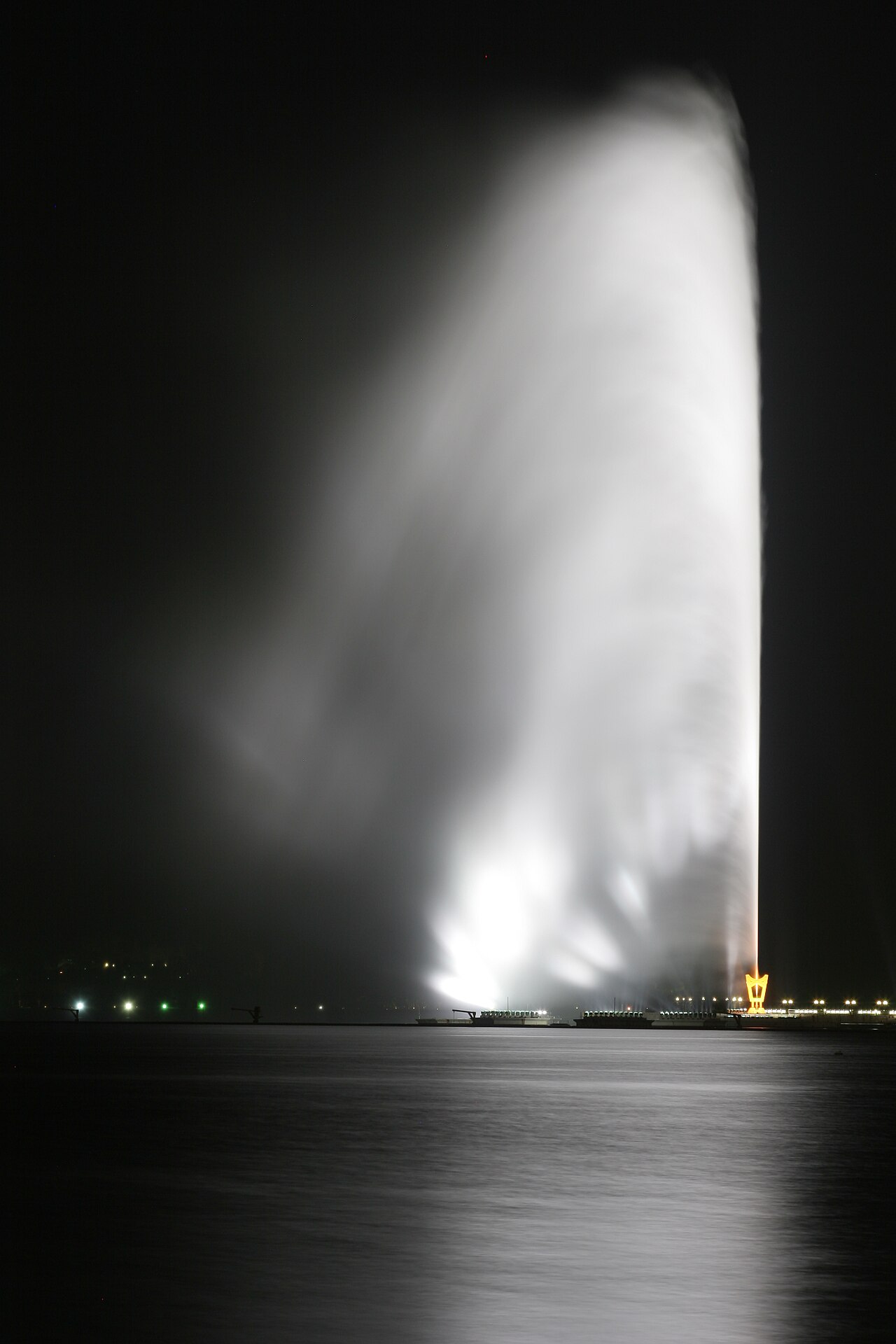
Treat the works with respect, do not climb them, and take care near roads. Sculptures pair naturally with the Floating Mosque, King Fahd’s Fountain and a walk on the Corniche, so they make an easy addition to an evening along the waterfront. Visit Saudi has a story page on outdoor art installations that gives more background on the city’s public art.
Good to know
Because the sculptures are spread across a large city, it helps to plan a loose route in advance. Some works are set on roundabouts that are difficult to reach on foot, so a taxi or ride-share car can stop briefly where it is safe to do so, or you can enjoy them from the vehicle.
Sea air and sun mean some pieces are restored from time to time, and the city continues to add new public art, including temporary installations, so you may find something new on each visit. Photographing the works is generally welcome, but avoid blocking traffic or pedestrians, and be considerate of other visitors in busy waterfront areas.
What to expect
The experience
A self-guided wander or slow drive between large outdoor sculptures placed along the Corniche and nearby roundabouts and parks.
Best time
Late afternoon to sunset in the mild season, from roughly November to March, when the light is low and the heat has eased.
How long
One to two hours for a handful of works, longer if you walk a long stretch of the waterfront.
Tips
Pick a few works near your hotel, take care near traffic, do not climb the sculptures and expect some pieces to be best seen from a car.
Quick picks
- Best for
- Art lovers and photographers who want something different alongside the Corniche.
- Families
- Children enjoy the large, playful shapes, but keep a close eye on them near roads.
- Couples
- A free, easy evening walk with sea views, sunset and a few striking photo spots.
- Pair with
- The Floating Mosque, King Fahd’s Fountain and a Corniche dinner.
- Time needed
- One to two hours inside a wider evening on the waterfront.
Good questions
Is the sculpture museum free?+
Yes. The works are outdoors along the Corniche and nearby roads and parks, so there is no ticket.
Where is the open-air sculpture museum?+
There is no single site. The sculptures are spread along the Corniche and nearby junctions and parks, so a visit links several points.
Which artists are represented?+
Works are attributed to well-known international names such as Henry Moore, Joan Miró and Alexander Calder, alongside Saudi and regional artists. The line-up changes over time.
How long do I need?+
One to two hours is enough for a handful of works. You can see more by car in the same time.
When is the best time to go?+
Late afternoon to sunset is best for the light and the heat. The mild season, from roughly November to March, is the most comfortable.