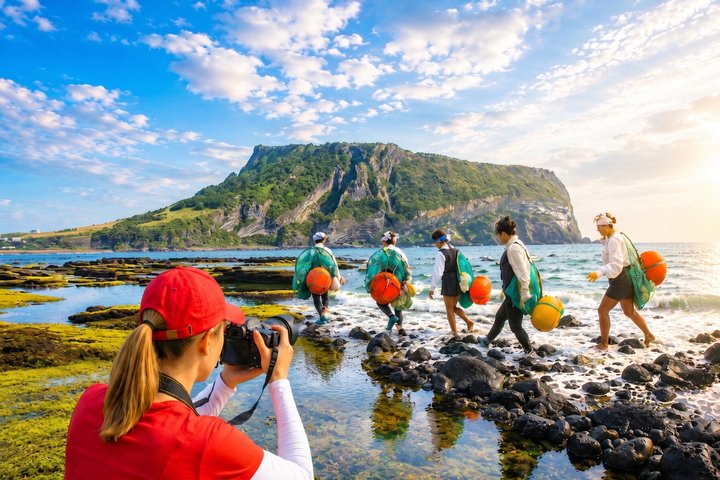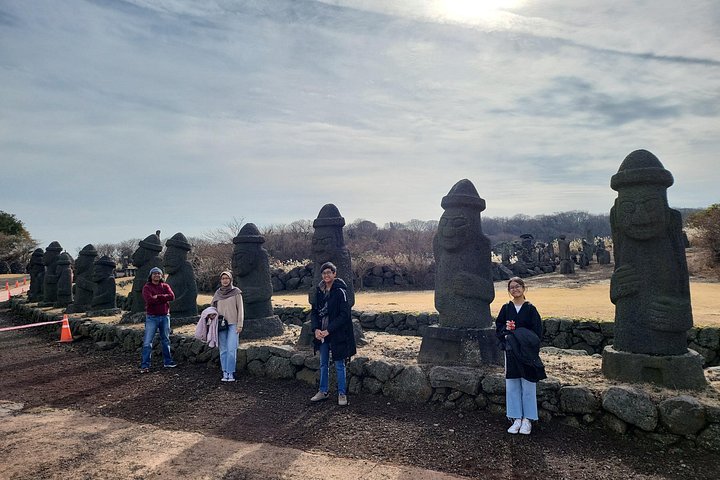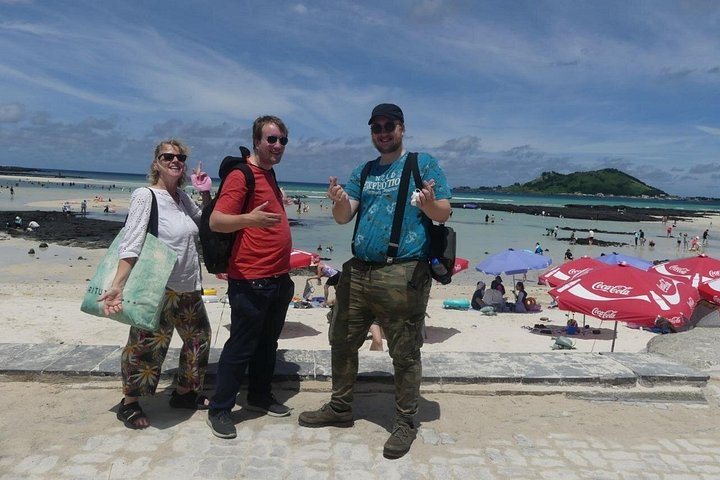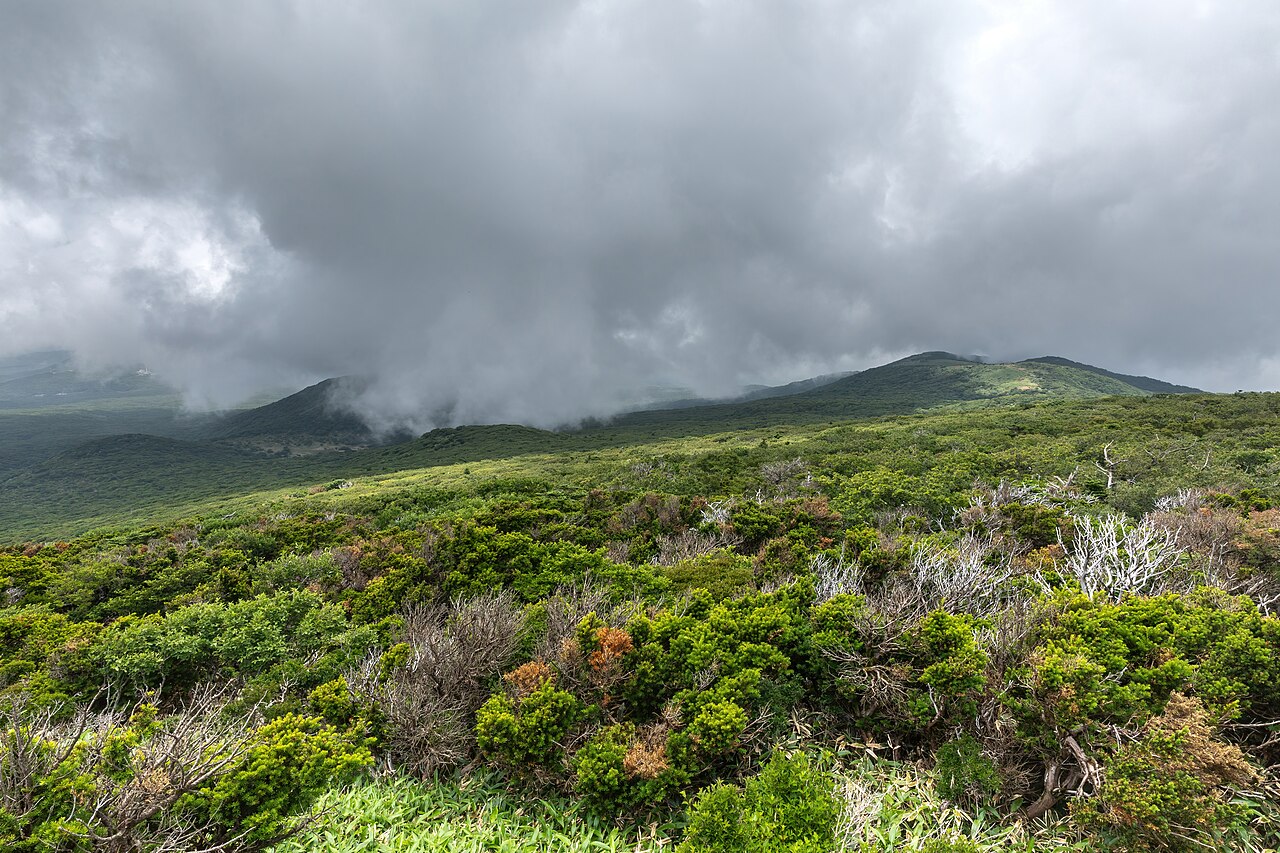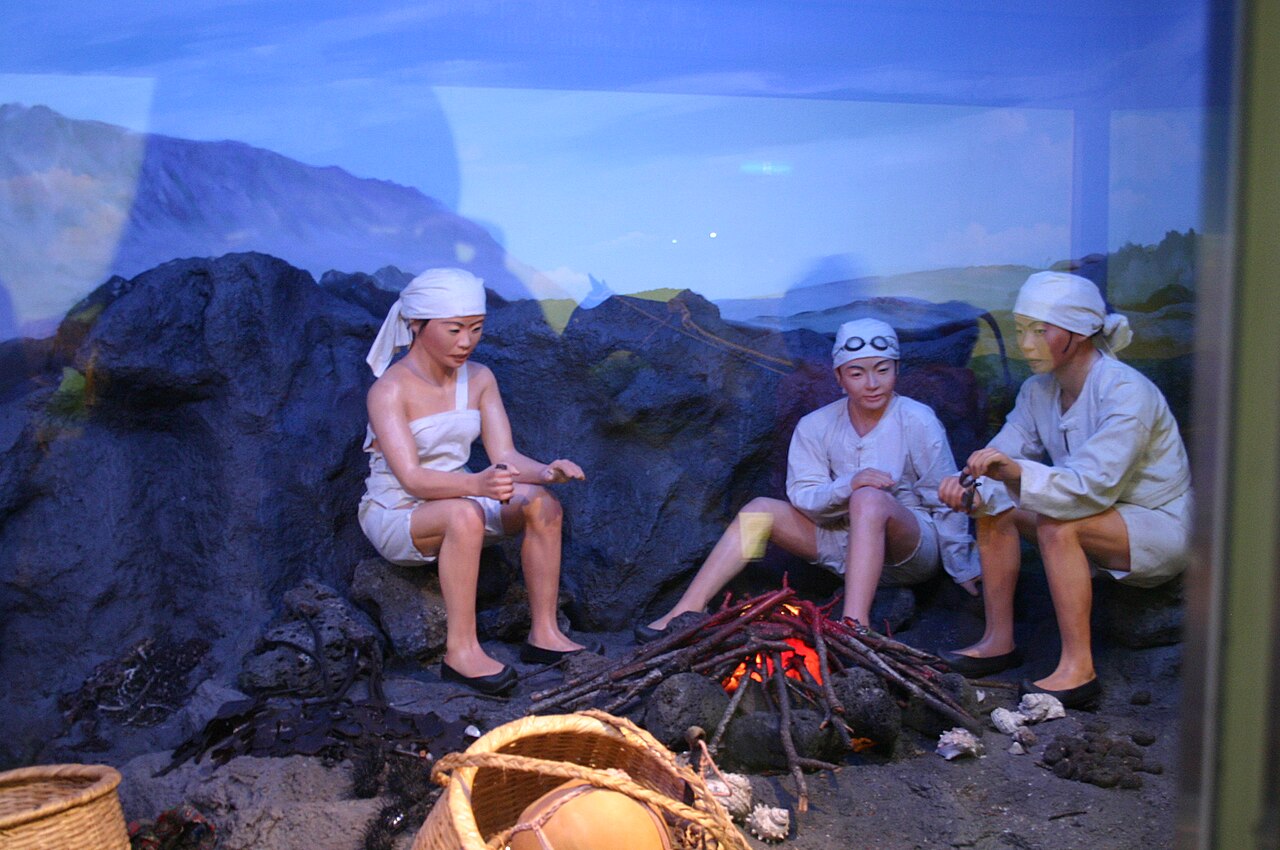
The haenyeo of Jeju, the island's women divers, have harvested seaweed, abalone and conch by free diving for generations, working without breathing equipment in cold water and passing the craft from mother to daughter. Their culture is recognised by UNESCO as intangible cultural heritage, and the Jeju Haenyeo Museum in Gujwa, on the northeast coast, is the place that explains it. Its exhibits cover diving techniques and tools, village life, the sea and its harvest, folk traditions and the history of the island's fishing economy, and there are displays that families will enjoy. The museum sits by the sea, so the visit pairs well with a walk along the shore and a meal of local seafood. Many visitors also look for a live diving demonstration along the east coast, which is a good complement to the museum's background.
Understanding the tradition
The museum gives context that makes any later encounter with a working haenyeo more meaningful. You learn how girls once began training in childhood, how the divers worked in groups, and how song and ritual were part of life at the shore. The displays include traditional suits, tools and photographs, and they explain how the tradition shaped Jeju's culture and how it is being preserved now that the divers are mostly older women.
It is a quiet, human story, and the exhibits are well suited to travellers who like museums that tell one story well.
Practical details
The museum is open during the day and closes on the first Monday of each month, so check the current schedule on the day you plan to go. The admission fee is inexpensive. It is largely indoors, which makes it a good wet-weather choice, and there are viewing areas by the water. Plan about an hour inside. Do not expect a fixed diving show at the museum itself, since demonstrations are weather dependent and held at set places along the coast; ask at the museum or tourist information for what is running.
Pairing it well
Gujwa is on the way between Seongsan and Manjanggul, so the museum fits neatly between them on an east-coast day. Seongsan is a short drive away, and the shoreline near the sunrise peak is where divers sometimes work. If you want to taste the catch, look for small seafood restaurants along the coast that serve the divers' harvest, and treat any diving show as a cultural performance rather than a spectacle. Bring a camera for the coastline views from the museum's grounds.
What to expect
The experience
A self-guided museum visit with exhibits on the haenyeo divers, their tools, village life and the sea.
Best time
Any time in the daytime, and especially on a wet or windy day when outdoor sights are less appealing.
How long
About an hour for the exhibits plus time at the waterside viewing area.
Tips
Check the first-Monday closure, ask staff about current diving demonstrations on the coast and treat the divers with respect when photographing them.
Quick picks
- Best for
- Curious travellers who want the story behind Jeju's women divers.
- Families
- Engaging for children, with hands-on and visual displays alongside the exhibits.
- Couples
- A quiet cultural stop, followed by seafood and a coastal walk.
- Pair with
- Seongsan Ilchulbong, Manjanggul Lava Tube and Udo Island.
- Time needed
- Allow about ninety minutes including the viewing area.
Good questions
What is a haenyeo?+
A haenyeo is one of Jeju's women free divers, who harvest seafood without breathing equipment. The tradition is recognised by UNESCO as intangible cultural heritage.
When is the Haenyeo Museum closed?+
It closes on the first Monday of every month and is open in the daytime on other days. Check the current schedule before you travel.
Can I see haenyeo diving there?+
The museum itself is an exhibition, and live demonstrations are held at set places along the coast depending on weather. Ask staff or the tourist information office for the current options.
How long do I need?+
About an hour is enough for the exhibits, with extra time for the waterside viewing area. It is a good short stop on an east-coast day.
Is it good for rainy weather?+
Yes, the exhibits are largely indoors and the visit is easy to fit around bad weather. Bring a coat if you also want to walk on the shoreline.