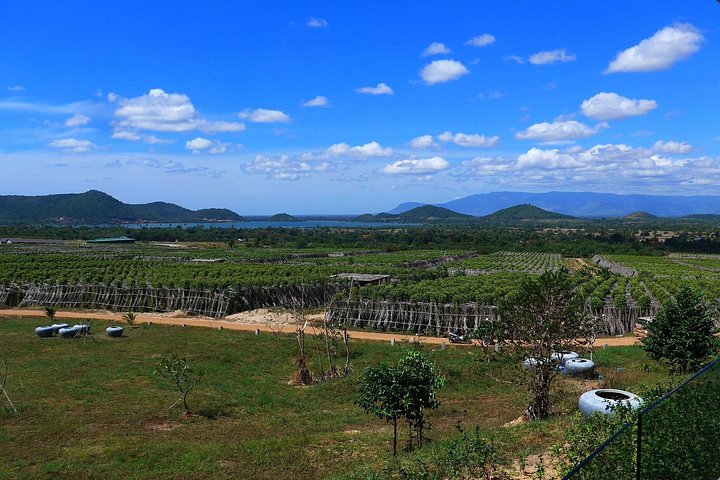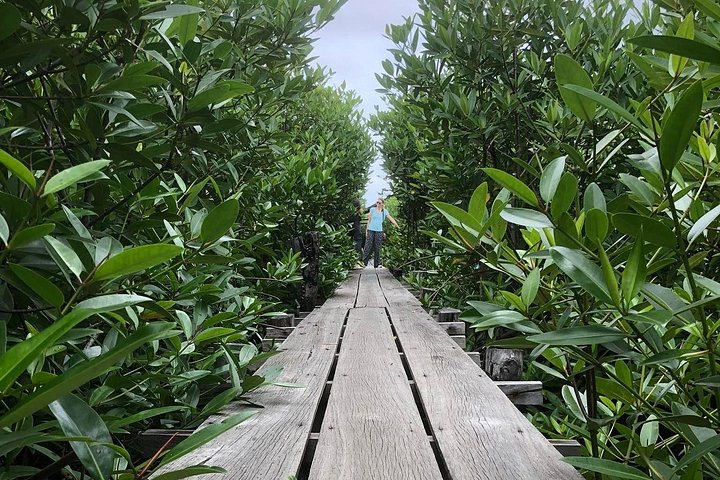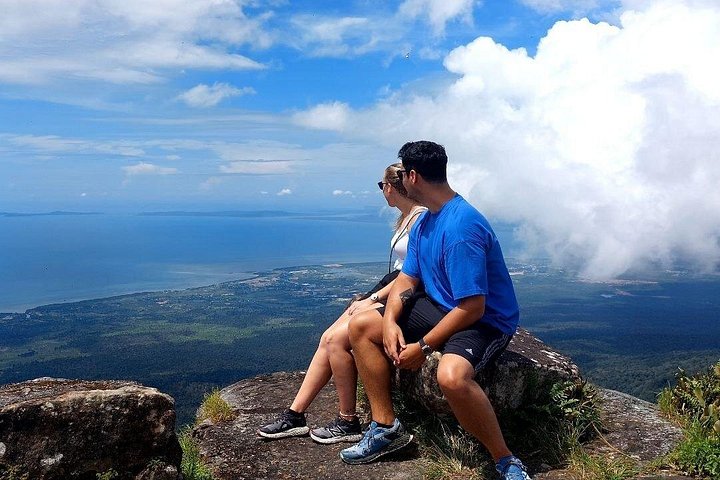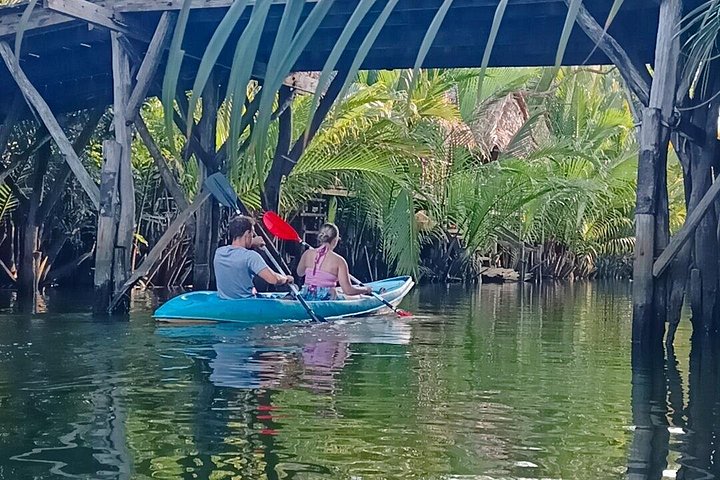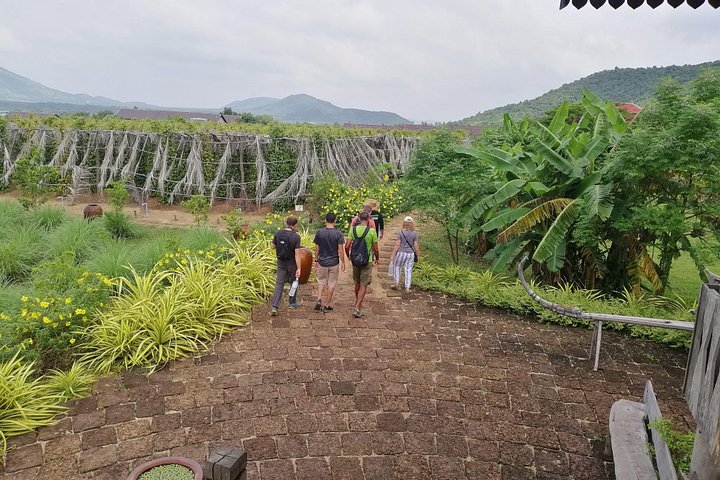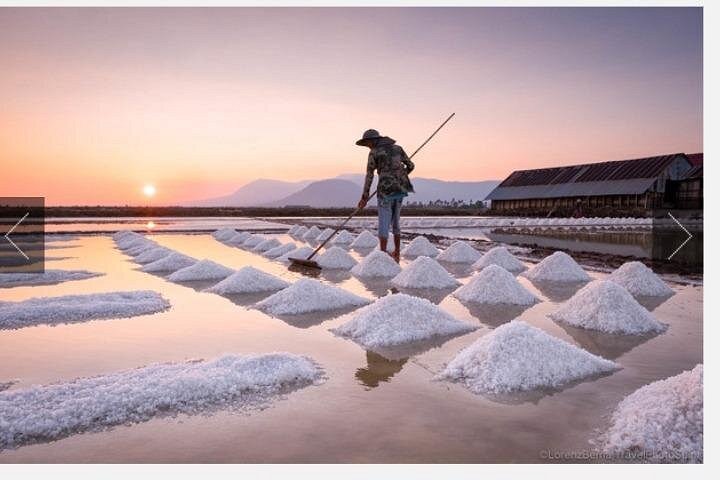
The Kep crab market is the best-known food stop on the Cambodian coast. Fishers bring in blue crabs, often kept alive in baskets in the shallow water, and the stalls and restaurants along the shoreline cook them within minutes. The signature dish is crab stir-fried with fresh Kampot pepper, a pairing that shows how the spice and the sea belong together in this region. The market is also a lively place to watch, with shoppers bargaining, vendors weighing crabs and wooden shacks lining the water. On a good day it is the most flavourful half hour of the whole trip. This tour places the market in a wider day around Kampot and Kep. Along the way you visit a pepper farm, a limestone cave, the secret lake and the salt fields, so the crab lunch becomes the finish to a morning in the countryside. Kep itself is a quiet seaside town that was a fashionable French-era resort, and the road along the coast passes the ruins of old villas and a statue of a crab at the shoreline.
How it works
The tour is guided and runs by vehicle from Kampot, with a stop at the crab market usually timed for lunch. The product title names the pepper farm, cave, secret lake, Kep crab market and salt, so check with the operator for the order, the pickup and whether lunch is included or paid separately. Free cancellation terms and availability appear at checkout.
What to expect
The market is informal and a bit rough around the edges, with plastic chairs, strong smells and sea views. Prices are by weight, and it is sensible to ask before ordering. Crab can be cooked in several styles; the pepper version is the classic, and other seafood such as squid and prawns is also on offer. The setting is relaxed, and you will see locals eating alongside visitors. Wash your hands, drink bottled water and choose stalls that look busy.
Making the most of it
Arrive hungry, bring cash in small bills and be ready for a messy meal. If you prefer something calmer, ask the guide for a restaurant with shade and a fan. After lunch, a walk along the shoreline gives a feel for Kep’s seaside character, and the trip back to Kampot passes more rice fields and salt pans. Travellers with shellfish allergies should avoid the market. For the best experience, combine this day with a pepper farm visit so you see the spice before you eat it.
Good to know
The market is busiest around midday and quietest in the early afternoon, so ask your guide to time the stop to suit your appetite and your patience. Not all stalls are equal, and a short walk along the shoreline often turns up a quieter spot with the same crab. Carry tissues, because the dish is eaten by hand, and avoid leaving valuables on tables.
Tipping is appreciated but not required. If you would rather eat elsewhere in Kep, there are seafood restaurants over the water with similar menus and a slightly higher price. Ask your guide which crab dishes are in season, since menus and catches shift with the weather, and order a plate of rice to balance the pepper heat.
What to expect
The experience
A guided day trip by vehicle that ends with a seafood lunch at the Kep crab market.
Best time
Go in the dry season, with lunch timed for the busiest hour at the market.
How long
A full day, with an hour or so at the market; confirm with the operator.
Tips
Bring small bills, wash your hands, and ask the price by weight before ordering.
Quick picks
- Best for
- Food lovers who want crab cooked with Kampot pepper by the sea.
- Families
- Children usually enjoy the seaside and the baskets of crab, though the market is informal.
- Couples
- A seaside lunch with a view of the water suits couples.
- Pair with
- Kep National Park trail or a visit to a pepper farm.
- Time needed
- Full day.
Good questions
What is the Kep crab market famous for?+
It is known for fresh blue crab, often cooked with Kampot pepper, served beside the sea.
Is lunch included on the tour?+
This depends on the operator, so confirm whether the crab meal is included or paid separately.
How much does crab cost?+
Prices are usually by weight and vary, so ask before ordering and check the total.
Is the market clean?+
It is an informal market; choose busy stalls, drink bottled water and wash your hands.
What if I do not eat shellfish?+
There are other dishes such as fish, noodles and rice, but travellers with allergies should be careful.