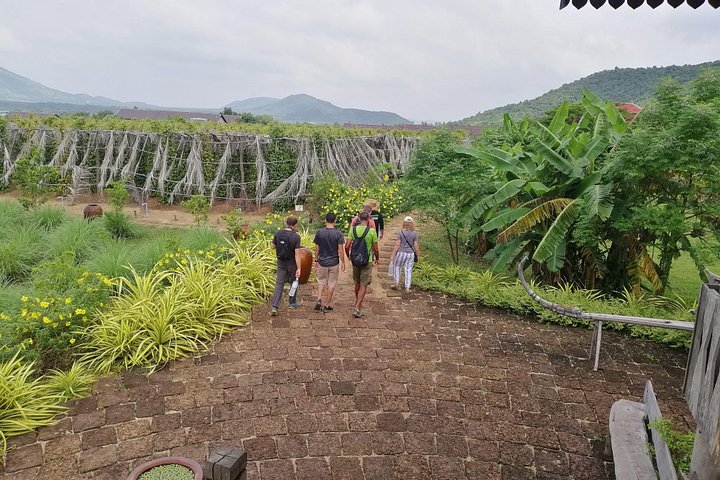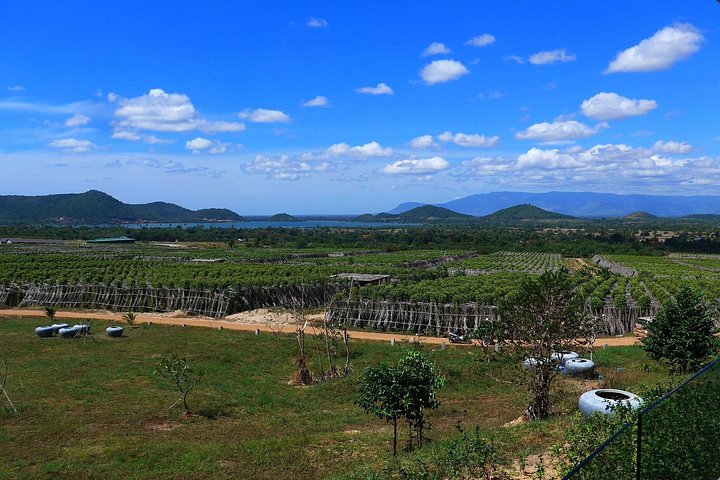
Kampot pepper is one of the world’s best-known spices, and it has protected geographical status in the European Union, which means true Kampot pepper must be grown in this part of Cambodia. La Plantation is a pepper farm just outside Kampot that opens its grounds to visitors, and this tour is the easiest way to see the spice at its source. You walk among the vines, learn how a single plant produces green, black, red and white pepper depending on when it is harvested and how it is processed, and finish with a meal built around the pepper itself. The story behind the crop is as interesting as the taste. Pepper was grown around Kampot for generations and was prized by French chefs, but production collapsed during the turmoil of the 1970s and was rebuilt slowly from the late 1990s by farmers and small companies. Today the farms are a quiet success, and visiting one helps you understand why the spice has a floral, slightly fruity heat that differs from supermarket pepper. This tour pairs the farm with a buffalo cart ride and a nearby secret lake in the countryside, according to the products in this area.
How it works
The tour starts with a pickup or meeting in Kampot, and the farm is a short drive from town. A guide leads you through the plantation, explains the harvest and drying methods and lets you taste different pepper types. Lunch is part of the experience, so check with the operator for the menu and dietary options. Free cancellation terms, availability and current prices are shown at checkout.
What to expect
The farm is outdoors, so expect sun, soil and the smell of crushed leaves. The pepper vines climb wooden or living posts and are tended by hand. Harvest usually runs in the dry season, roughly from February to April, when you may see berries being picked and spread to dry. In other months you see the vines and the processing, but fewer berries. Pepper shops on site sell packaged spice, and prices are usually clearly marked.
Making the most of it
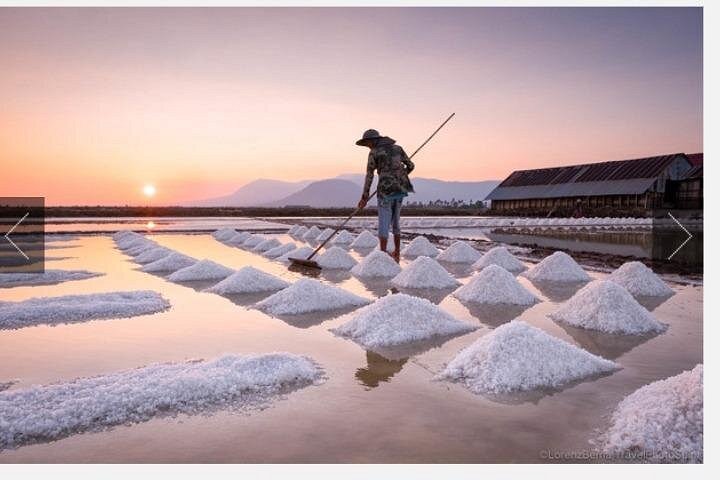
Wear a hat, light long sleeves and closed shoes, and bring sun protection and water. Try pepper crab at the Kep crab market on a separate day, because the spice is a local staple and the pairing is part of the regional cuisine. If you want to take pepper home, buy sealed bags with a clear origin label and keep them dry. Allow a relaxed half day, and consider pairing the visit with the salt fields and secret lake for a fuller picture of the countryside around Kampot.
Good to know
Farms like this are working businesses, so opening hours, the tasting menu and the order of the tour can change with the season and the group. Pepper is a spice with real heat in its fresh green form, so taste small amounts first if you are sensitive. The gift shop is optional, and there is no pressure to buy. Vegetarians and travellers with allergies should mention their needs when booking, since lunch is built around local ingredients. Insect repellent is helpful, especially in the late afternoon and the wet season.
What to expect
The experience
A guided walk through a working Kampot pepper farm with tasting, a buffalo cart ride and lunch.
Best time
Visit in the dry season; the harvest runs roughly February to April.
How long
About half a day including travel and lunch; confirm with the operator.
Tips
Wear a hat and closed shoes, bring water, and ask about dietary needs before lunch.
Quick picks
- Best for
- Food lovers and curious travellers who want to taste pepper where it grows.
- Families
- Children enjoy the cart ride and the open space.
- Couples
- A relaxed, scenic meal in the countryside suits couples.
- Pair with
- The salt fields and secret lake, then sunset in Kampot.
- Time needed
- A half day.
Good questions
What makes Kampot pepper special?+
It is grown in the Kampot area, it has protected geographical status in the European Union, and it is known for a floral, fruity heat.
Is lunch included?+
The tour product includes lunch, but confirm the menu and any dietary options with the operator when you book.
When is the pepper harvest?+
The main harvest runs in the dry season, roughly February to April, though the farm can be visited all year.
Can I buy pepper at the farm?+
Yes, farms usually sell packaged pepper on site. Look for sealed bags and a clear origin label.
How far is the farm from Kampot town?+
It is a short drive from town, and tours normally handle the transport.