Sri Lanka has two main monsoons and two shorter inter-monsoon periods, and the hill country sits at the meeting point of several weather patterns. That means the best time depends on where you are going and what you want to do.
The short answer
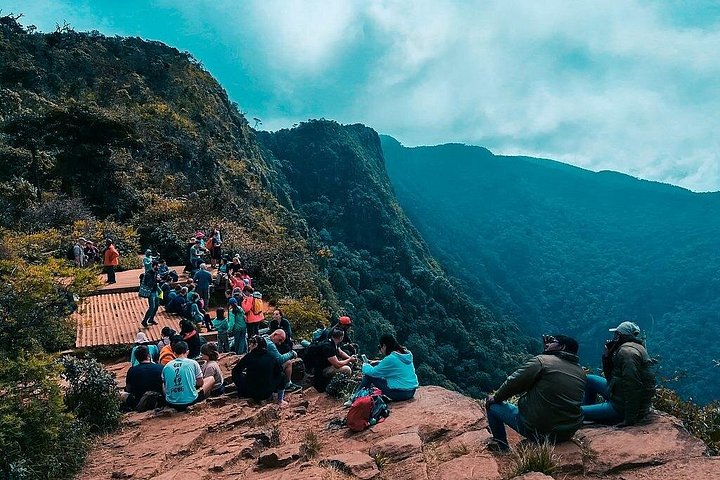
For most travelers, the months from December to March give the most dependable weather in Kandy and the tea country, with clearer mornings, fewer showers and the best views from Horton Plains, Ella Rock and Lipton's Seat. January and February are often the driest. These are also the busiest months, so book hotels and train seats early.
April: the inter-monsoon
April brings warm days, afternoon thunderstorms and, in Nuwara Eliya, the town's busiest season, when Sri Lankans arrive for racing and festivals and hotels fill. If you plan to visit then, book far ahead. Mornings are often clear and afternoons cloudy.
May to September: the southwest monsoon
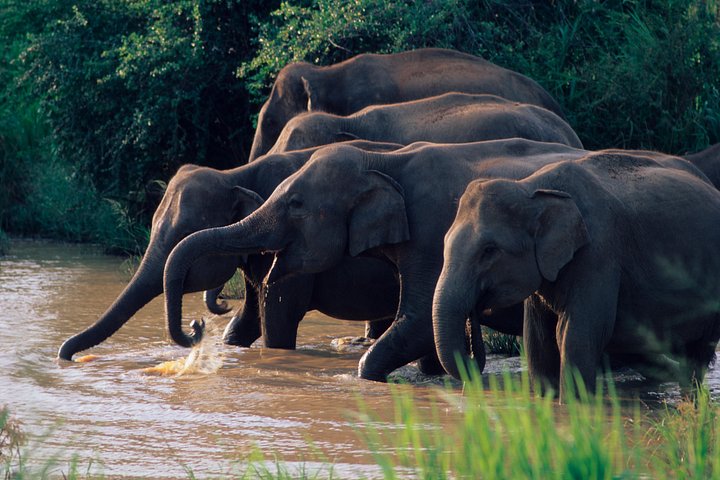
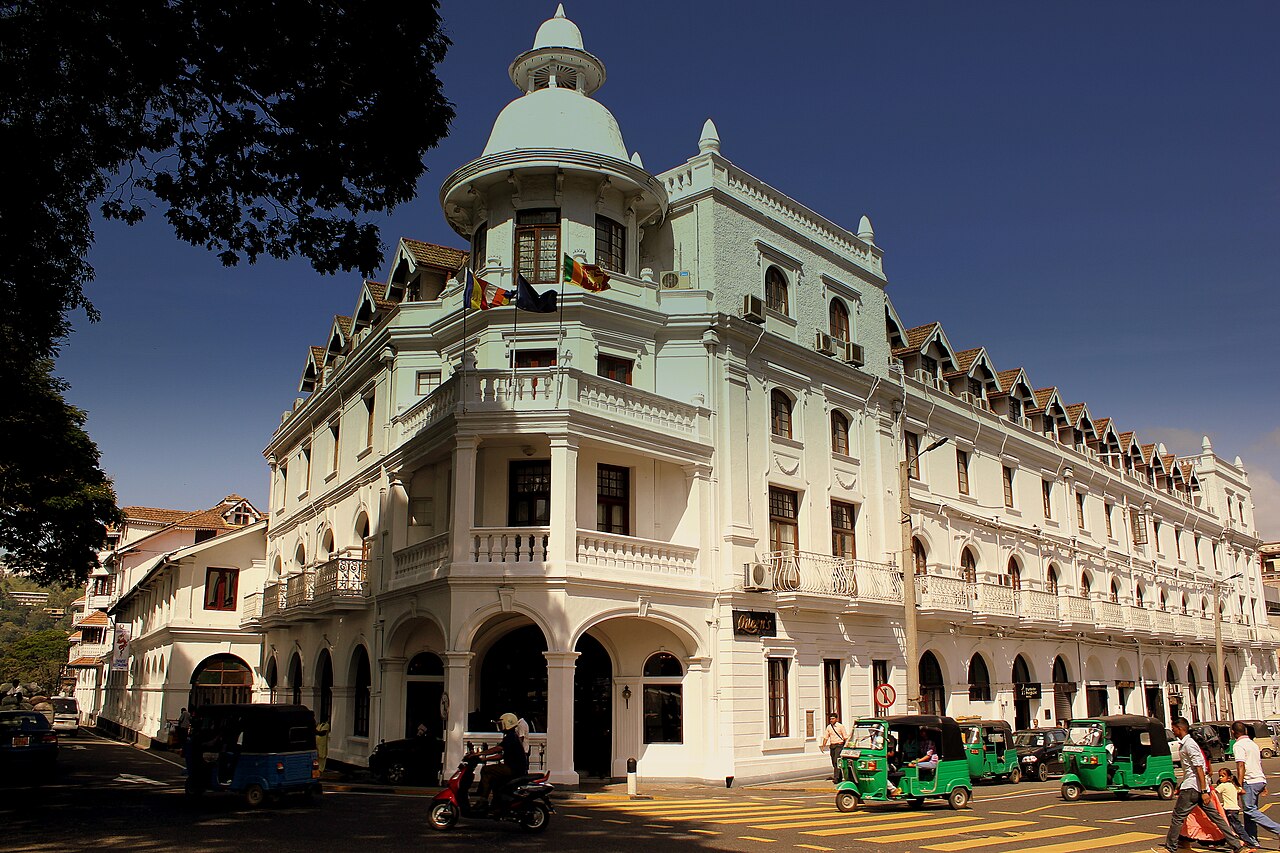
The hills and the western side of the island get heavy rain, especially in the central highlands. Mist and cloud are common, roads can be slippery, and leeches become a feature of forest walks. The advantages are green landscapes, waterfalls at their fullest and quieter hotels. This is also a good season for the dry-zone parks, including Wasgamuwa, where animals gather at water. Kandy's biggest annual procession, the Esala Perahera, takes place in this period, in the summer months, and draws large crowds and high demand for rooms. If you want to see it, book accommodation as early as you can.
October and November: the second inter-monsoon
Expect frequent afternoon rain and thunderstorms, with clearer mornings. It is a quieter period, and prices can be lower. Plan outdoor activities for the morning and leave afternoons for museums, cooking classes and tea tastings. Heavy rain can affect roads and rail in the hills, so check conditions before you travel.
Temperatures
Kandy sits at about 500 meters, with warm, humid days and mild evenings. Nuwara Eliya, Kandapola and Horton Plains are much cooler, with nights that can drop close to single digits Celsius. Ella is milder, around 1,000 meters. Pack layers: light cotton for Kandy, a fleece and a rain jacket for the hills.
Activity by season
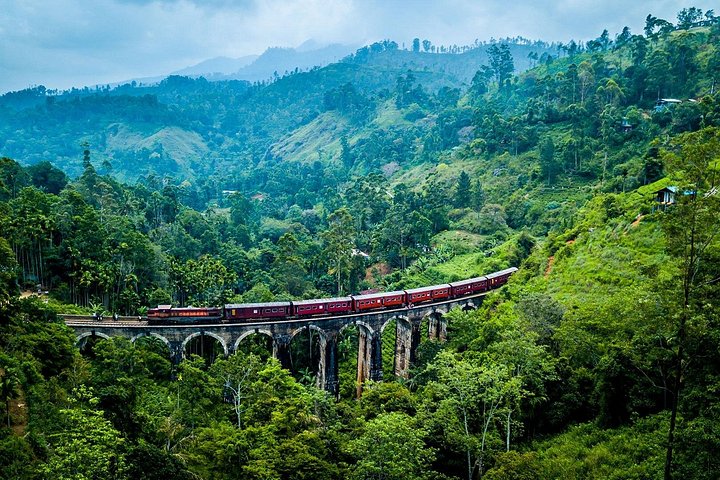
For Horton Plains and World's End, aim for dry months and dawn starts. For the scenic train, any season works, but the dry months give clearer windows. Rafting at Kitulgala is steadiest in the drier months, and heavy rain can cancel trips. Birdwatching at Udawatta Kele and the Peradeniya gardens is rewarding all year, with green growth after rain. Tea estates are lovely year-round, and plucking continues in every season.
What to pack
A light rain jacket or umbrella, a fleece, closed shoes with grip, socks for leeches, insect repellent, sunscreen, a hat and a small daypack. A light scarf or shawl doubles as a temple cover-up.
Planning around the weather
Because hill weather changes quickly, build flexibility into your plan. Keep the most weather-dependent activities, such as Horton Plains and Ella Rock, for the start of your stay in the hills so that you have fallback days. Start early, since mornings are generally clearer. If rain closes a road or a rail section, ask your hotel for help rearranging transfers, and treat the delay as a chance to enjoy a long tea or a cooking class. Whenever you come, Kandy and its hills reward a patient, adaptable traveler.
Crowds and prices
The dry months and April are the busiest, with higher prices and early sell-outs for trains and boutique hotels. The wetter months are quieter and often cheaper, and the green scenery can be spectacular, though you must plan around the weather. Public holidays and full-moon days bring local pilgrims to the Temple of the Tooth, which is moving to witness but crowded. Check local holiday dates for your travel year, because they affect transport, shop hours and accommodation. If you can choose, the shoulder weeks at the start and end of the dry season offer a good balance of weather, space and value.
Photography and light
Dry mornings give crisp light and clear valleys, while the wet season brings dramatic cloud, mist drifting through tea terraces and glowing green foliage. Pack a lens cloth, because humidity fogs glass quickly, and keep your gear in a dry bag. Whatever the season, the first hour after sunrise tends to be the most beautiful in the hills.