Food in Kandy is a lesson in how Sri Lankans eat: rice at the center, surrounded by small, intensely flavored dishes, with coconut in nearly everything. The hill country adds cooler-climate vegetables, tea and a few specialties of its own.
Rice and curry
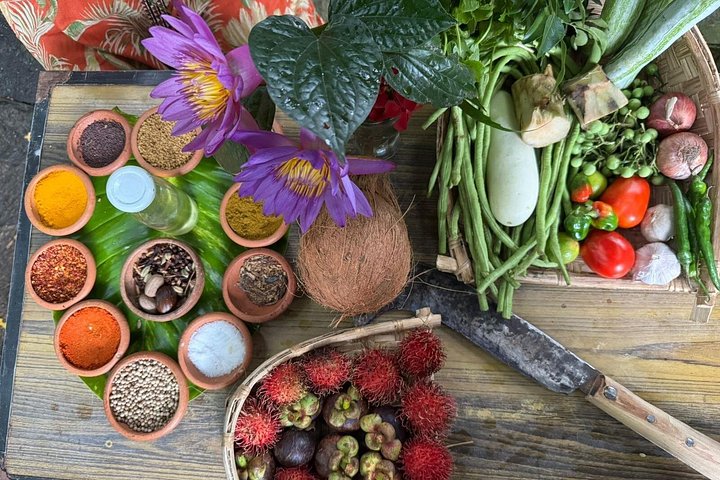
The island's staple is a plate of rice with several curries, which might include dhal, a vegetable curry, jackfruit, potatoes, a fish or chicken dish, a coconut sambol and a mallum of shredded greens. In a local lunch place you pay once and get a table of small dishes, often with refills. Spice levels vary, so ask for mild if you prefer. A cooking class is the best way to understand how the dishes fit together.
Breakfast: hoppers and string hoppers
Hoppers are thin, crisp bowls of fermented rice and coconut batter, often served with an egg in the middle. String hoppers are nests of steamed rice noodles eaten with dhal, sambol and a light curry. Kiribath, rice cooked in coconut milk and cut into diamonds, is the traditional celebration dish and appears at many breakfast spreads, usually with lunu miris, a fiery onion relish.
Street food and short eats
Late afternoon, bakeries and stalls fill cabinets with short eats: fish cutlets, vegetable rolls, patties and fried pastries. Kottu roti, chopped flatbread stir-fried on a griddle with vegetables, egg or meat, is the sound of the evening, and you can hear the rhythmic clanging of the blades from the street. Fresh king coconut, sold from carts, is a cheap and refreshing drink.
Sweet things
Watalappan is a rich custard of coconut milk, jaggery and spices. Curd with kithul treacle is a favorite dessert, the creamy buffalo curd drizzled with dark palm syrup. Look for sweet shops selling milk toffee, sesame balls and coconut treats.
Tea
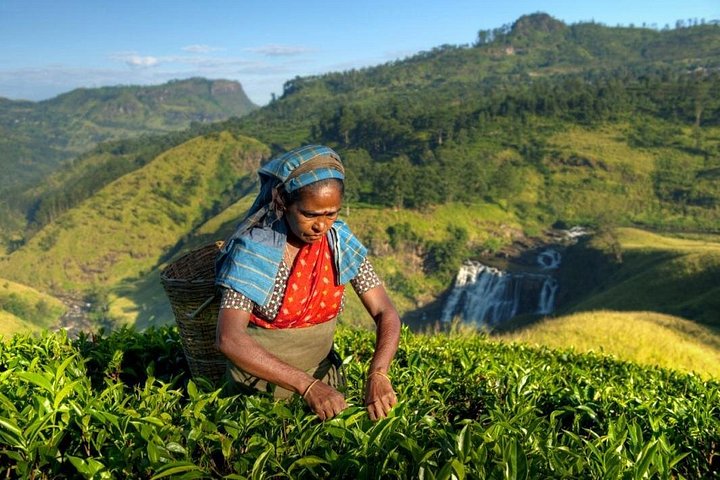
The hill country is the home of Ceylon tea, so make time for the real thing. A visit to a factory ends with a tasting, and tea shops in Kandy and Nuwara Eliya serve it strong, often with milk and sugar. Highland teas are lighter and more fragrant, lowland teas stronger and darker. Buy loose-leaf packets at the estate rather than in tourist shops.
Hill-country produce
In Nuwara Eliya, you will find strawberries, carrots, leeks and fresh vegetables at the market, which turn up in salads and curries. Afternoon tea with scones and cakes is part of the colonial legacy.
Drinks
The local arrack, distilled from coconut sap, appears in cocktails and as a neat drink. Lion lager is the standard beer. Many temples and religious areas observe alcohol-free days around full-moon holidays, so ask if you plan to drink on those dates. Choose bottled or filtered water, and be careful with ice from unknown sources.
Practical tips
Eat where the locals eat and where the food is cooked fresh in front of you. Eat with your right hand if you want to be authentic, though cutlery is always available. Many restaurants close early, and vegetarian and vegan options are easy to find. If you have a sensitive stomach, start gently, avoid very spicy dishes in the first days and carry rehydration salts. Lunch is usually the main meal, and good lunch places run out of dishes in the afternoon, so go before two. Kandy's lake road, market streets and side lanes all hide excellent local spots, and your hotel or cooking class host will usually have favorites to recommend.
A sample day of eating
Start with string hoppers and dhal at breakfast, then a short eat and a king coconut from a lakeside cart at mid-morning. Have a rice and curry lunch at a local place, tea and a sweet in the afternoon, and kottu roti or a hotel buffet for dinner. If you join a cooking class, it can replace lunch or dinner entirely. Ask for mild spice if you are new to the cuisine, and keep a bottle of water close. Eating well in Kandy is rarely expensive, and the best meals are often the simplest, cooked by someone who has made the same dish for decades. Say yes when a host offers a second helping.
Allergies and dietary needs
Coconut is everywhere, as are fish and shrimp pastes, so travelers with allergies should say so clearly and ask what is in each dish. Vegetarians and vegans eat very well on the island, since many curries are built around lentils, pumpkin, jackfruit and greens. Gluten-free diners can rely on rice-based dishes but should check sauces and fried snacks. A written note in Sinhala or Tamil, which your hotel can help with, is useful.