Kaohsiung is a port city, a Hakka countryside neighbour and a night-market capital all at once, and that mix shows on the plate. Food here is cheap, generous and mostly eaten standing, perching on a stool or sharing a table with strangers. You do not need a reservation plan so much as an appetite and a little cash. This guide covers the dishes worth seeking out, where to eat them and how to handle the practicalities.
Start with the night markets
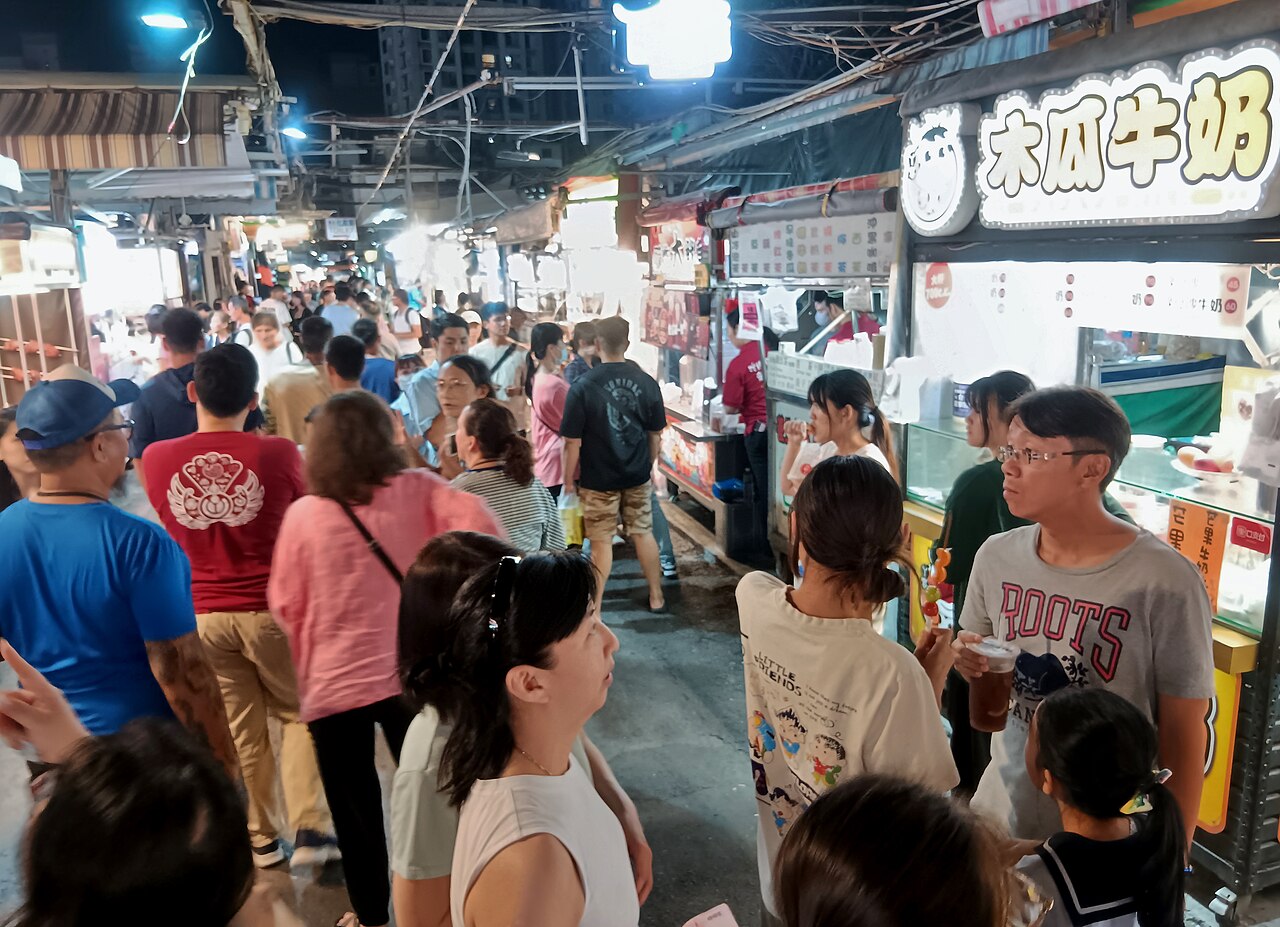
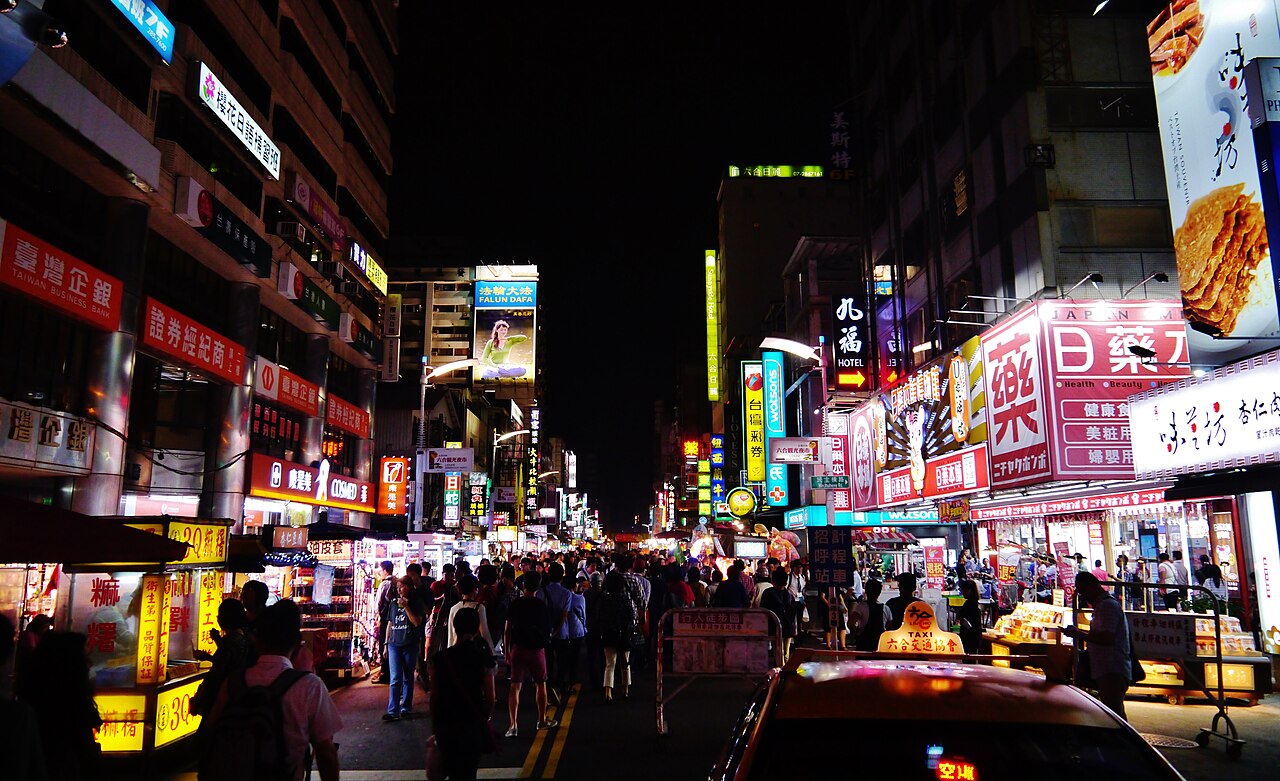
Liuhe Night Market is the classic first stop, a pedestrian street in the middle of the city that is easy to reach from Formosa Boulevard Station and open every evening. Seafood is the theme: congee, grilled squid, steamed prawns and oyster dishes sit alongside the usual skewers, fried chicken and bubble tea. It draws many tourists, so expect crowds and be sensible about prices by checking the displayed tags before you order. Ruifeng Night Market is the larger, more local alternative, with more than a thousand stalls, games, clothes and snacks mixed together. It is closed on Mondays and Wednesdays, so plan around that rather than arriving to shuttered stalls. Go hungry, walk a full lap before buying anything and then double back for what looked best.
What to order
Look for oyster omelettes, where small oysters are cooked into a glossy egg and starch mix and topped with a sweet-savoury sauce, and for fried or steamed prawns sold by weight. Seafood congee is comforting and quick, grilled squid is a street staple, and stinky tofu announces itself from a distance and divides opinion. Savoury pancakes, scallion pancakes and soy-milk breakfasts are the morning standard at small shops across the city, and shaved ice with fruit is the cooling answer to a humid afternoon. Mango season in the south is a highlight in summer, so ask for it in shaved ice or as a plain plate of chilled fruit. If a stall has a queue of local people, that is usually the best recommendation you will get.
Eat seafood on Cijin Island
The ferry from the Gushan side lands you on a narrow island whose main street is lined with fresh seafood restaurants and grill stalls. Many places let you choose from the counter and name how you want it cooked, so point, ask for the price per portion and agree it before you sit. Grilled squid, shellfish and fried fish are all easy choices. It is a lively place at lunchtime and at weekends, and a ride along the seafront by bicycle helps you earn the meal. Remember that the ferry can pause in bad weather, so keep a backup plan during typhoon season.
Go Hakka in Meinong
The countryside around Meinong is the home of Hakka cooking in the Kaohsiung area, which tends to be salty, preserved and hearty. Try the thick flat rice noodles, stir-fries with preserved vegetables, and the local speciality of lei cha, a ground tea made by pounding tea leaves with nuts and seeds, then whisking the paste with hot water for a thick, nutty drink. Many visitors take part in a workshop to grind their own. Meinong is about an hour from the city by road, so combine it with the folk village and its paper-umbrella workshops and make a day of it.
Vegetarian and special diets
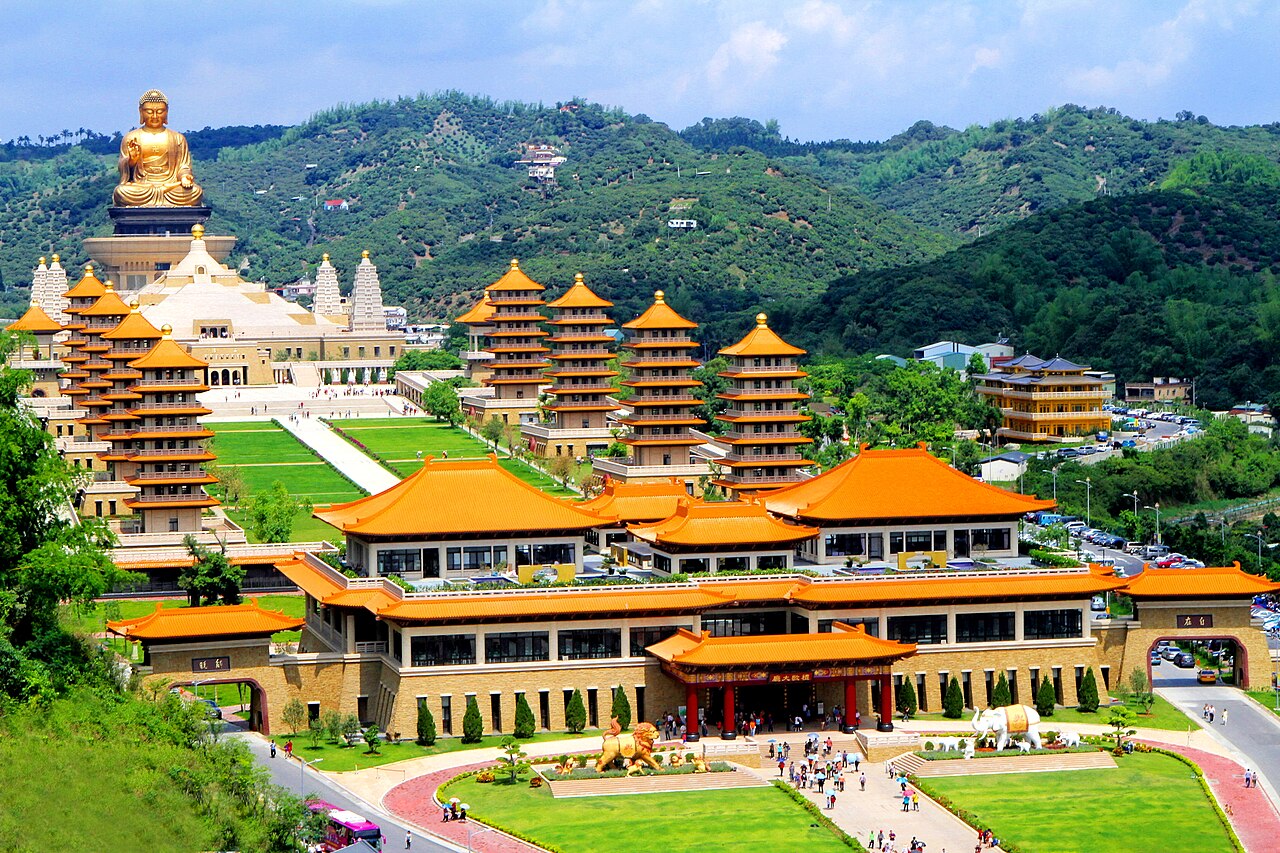
Taiwan has one of the strongest vegetarian food cultures in Asia, thanks to Buddhist dining traditions. Fo Guang Shan Buddha Museum is a natural place for a meat-free meal, and you will find vegetarian restaurants in every district. Look for the Chinese character for vegetarian on signs or ask for the dish without meat. Be careful at night markets, where broths, sauces and frying oil often contain pork or seafood, and be aware that strict vegans and people with shellfish allergies should ask directly and be ready for a language barrier. A translation app or a written note in Chinese helps considerably.
Drinks and cafes
Bubble tea and fruit tea shops appear every few steps, and you can customise sweetness and ice by simple percentage. Cafes have spread through the Pier-2 area and the warehouses of Yancheng, where converted buildings make pleasant stops between galleries. Taiwanese oolong is the tea to taste properly, ideally at a quiet teahouse rather than at a takeaway counter. Tap water is not generally drunk untreated, so buy bottled water or fill from filtered dispensers, which many hotels and attractions provide.
Practical tips
Carry small notes and coins because many stalls take cash only, although more are adding mobile payments. Tipping is not expected at stalls and small restaurants, and larger hotels or restaurants may add a service charge to the bill. Eat where the turnover is high, wash your hands or use sanitiser before eating street food and pace yourself by sharing dishes. Do not stick chopsticks upright in a bowl of rice, and expect to dispose of your rubbish at a bin supplied by the stall. Many night-market streets are crowded, so keep a firm grip on a bag and a drink.
A simple food plan
For a first visit, eat breakfast near your hotel, take a long lunch on Cijin Island, spend the evening at Liuhe Night Market and keep a second night for Ruifeng. With extra time, add a Hakka lunch in Meinong and a vegetarian meal at Fo Guang Shan. Add a shaved-ice break and a tea stop and you will have covered the city's best flavours without queuing at a single restaurant booking desk.