Kefalonia has a quiet reputation among wine drinkers for its Robola, a crisp, mineral white grown on the limestone slopes of the interior, around the high Omala valley and beyond. The grape is thought to have arrived centuries ago and thrives in poor, stony soil at altitude, producing a wine with citrus, flint, and a clean finish that pairs beautifully with grilled fish. The half-day tasting tour linked here visits producers for wine and olive oil, and it is a pleasant way to see farmland and villages away from the coast. You will taste samples, hear how the vines and groves are managed, and often try honey or local cheese as well. The tour suits anyone curious about the food culture behind the beaches and a good option when you want a slower, flavourful day.
Olive oil is just as important to the island. Groves cover the lower hills, and the oil is typically fruity and slightly peppery. Tastings usually involve dipping bread and comparing oils, with guidance on how to judge quality by aroma and a peppery kick in the throat. Honey, often from thyme or wildflowers, is another local product, and some visits include a small shop where you can buy bottles to take home. Producers vary from family estates to cooperatives, and the details of each stop depend on the departure.
Robola is also the name of a protected designation for wines from certain parts of the island, so look for the label if you want to bring a bottle home. Other local wines include the red Mavrodaphne and the sweet white Muscat from the island's south. The cooperative at the foot of Mount Ainos and several small estates offer visits, sometimes by appointment. If you are driving, plan a designated driver or take a tour, as the mountain roads are narrow.
Pairing tastings with a meal is a sound idea, since local dishes like meat pie, fresh fish, and sheep's milk cheeses show the wines at their best. Bring a hat and water in summer, and ask about vegetarian options if relevant. Because tastings take place in the countryside, the experience works in spring, summer, and early autumn, and the grape harvest in September adds extra colour.
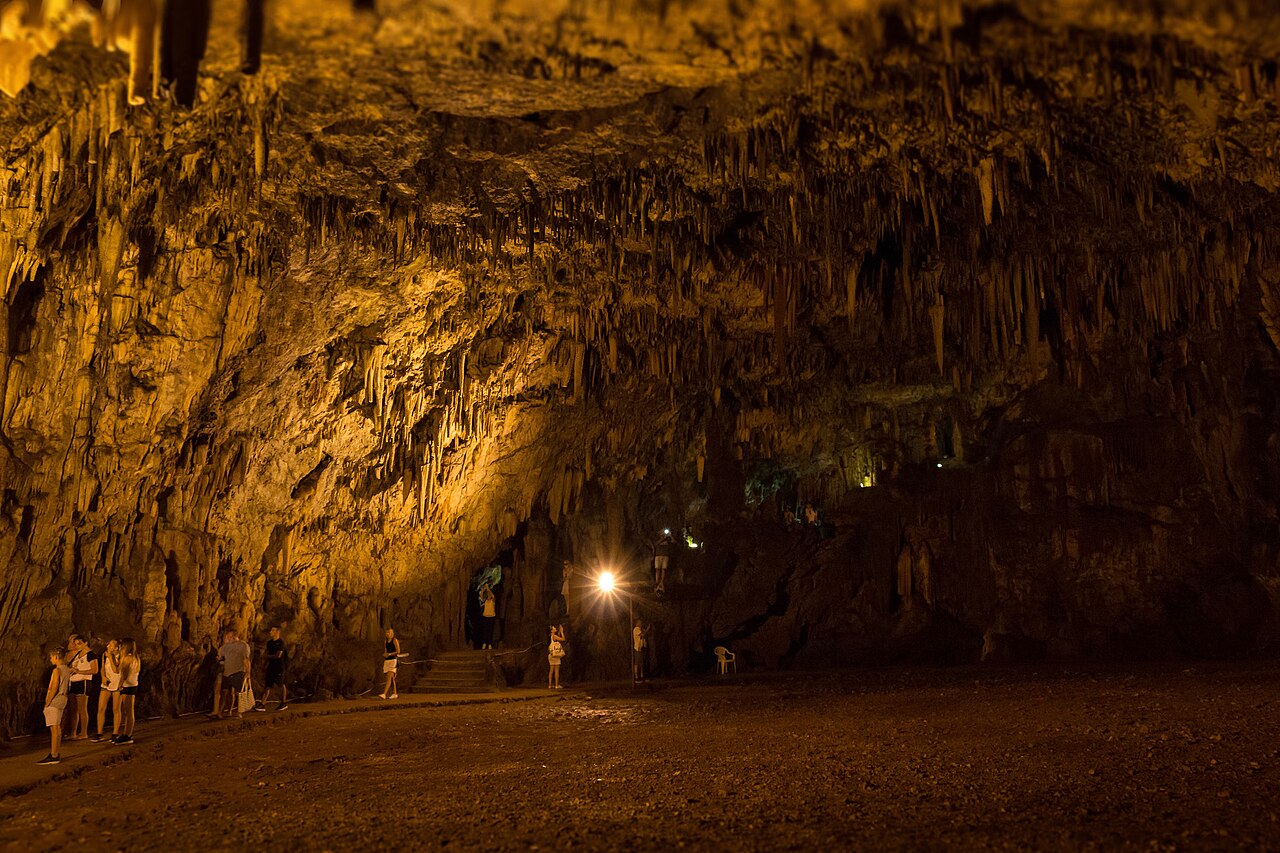
A tasting makes a good afternoon after a morning at the caves, or a rainy-day alternative to the beach. Families are usually welcome, though children will find the tastings less engaging than adults do.
A few tasting tips help you get more from the day. Sip Robola slowly and note the lemon, green apple, and mineral notes before the finish. For olive oil, warm a small glass in your hand, smell it, and take a small sip, exhaling through your nose to feel the peppery kick that signals fresh, polyphenol-rich oil. Spit buckets are available for those who prefer to keep a clear head. Ask producers about their harvests, which usually run in autumn for grapes and late autumn into winter for olives.
If you buy bottles, ask producers how to pack them for a flight, and check airline rules for liquids in carry-on luggage. Olive oil keeps best in a cool, dark place, and Robola is best served chilled and young.
Wear flat shoes for walking among vines and groves, and bring a small cooler bag if you buy cheese or honey and plan to keep them in a warm car afterwards.
What to expect
The experience
A guided half-day countryside tour with tastings of Robola wine, olive oil, and honey.
Best time
Late morning or afternoon in spring through autumn.
How long
Roughly three to four hours.
Tips
Eat before you go, bring a hat, and avoid driving after tastings.
Quick picks
- Best for
- Food and wine lovers.
- Families
- Welcome in most places, but children may find tastings slow.
- Couples
- A relaxed afternoon among vines and groves.
- Pair with
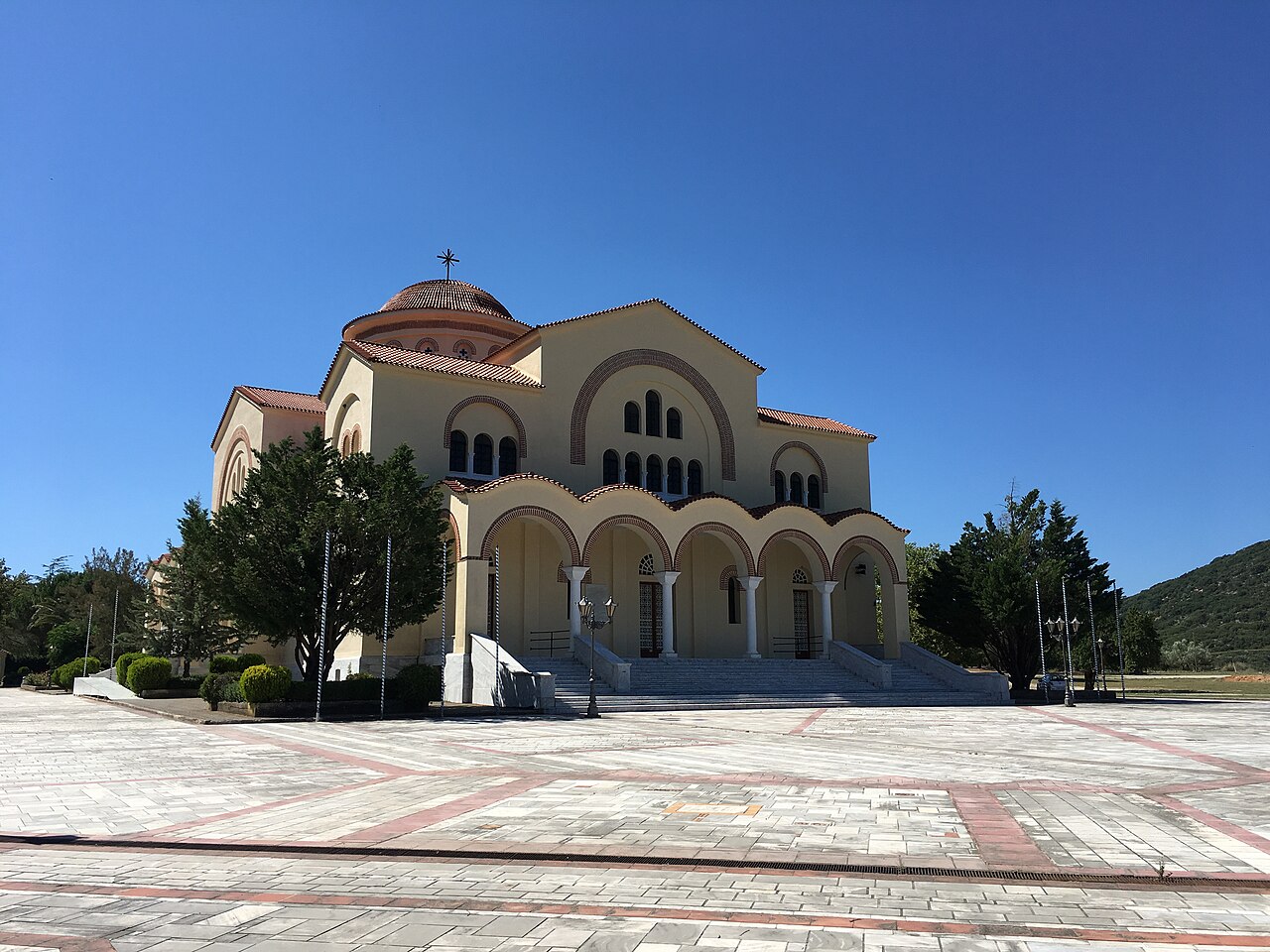
- The Castle of Saint George, Agios Gerasimos, and a village lunch.
- Time needed
- A half day.
Good questions
What is Robola?+
A crisp, mineral white grape that thrives on the limestone slopes of the island interior.
Is the tour good for non-drinkers?+
Yes. The olive oil and honey tastings are a highlight, and the countryside is pleasant.
Can I buy bottles?+
Most producers sell wine, oil, and honey on site.
When is the best season?+
Spring through autumn. September adds the grape harvest.
Do I need a car?+
Not on a guided tour. If you drive yourself, mountain roads are narrow, so a designated driver is wise.