Kefalonia is the largest of the Ionian islands, and its sights are spread out, so the biggest mistake first-time visitors make is trying to squeeze everything into a few rushed drives. Three days is enough for the headline experiences if you group them by region and accept that you will not see every beach. The plan below uses a car or a series of guided tours and assumes you are based in or near Argostoli, with an option to move north or east if you prefer.
Before you go: choose your base and your wheels
The island's roads are winding and slower than the map suggests, and public transport is limited, so decide early whether to rent a car or rely on tours. A car gives freedom for beaches and villages, while guided day trips remove the stress of mountain bends and parking. Many travelers mix the two, driving on the easy days and booking a tour for the north. Reserve in advance for July and August.
Day one: the east coast caves and a swim
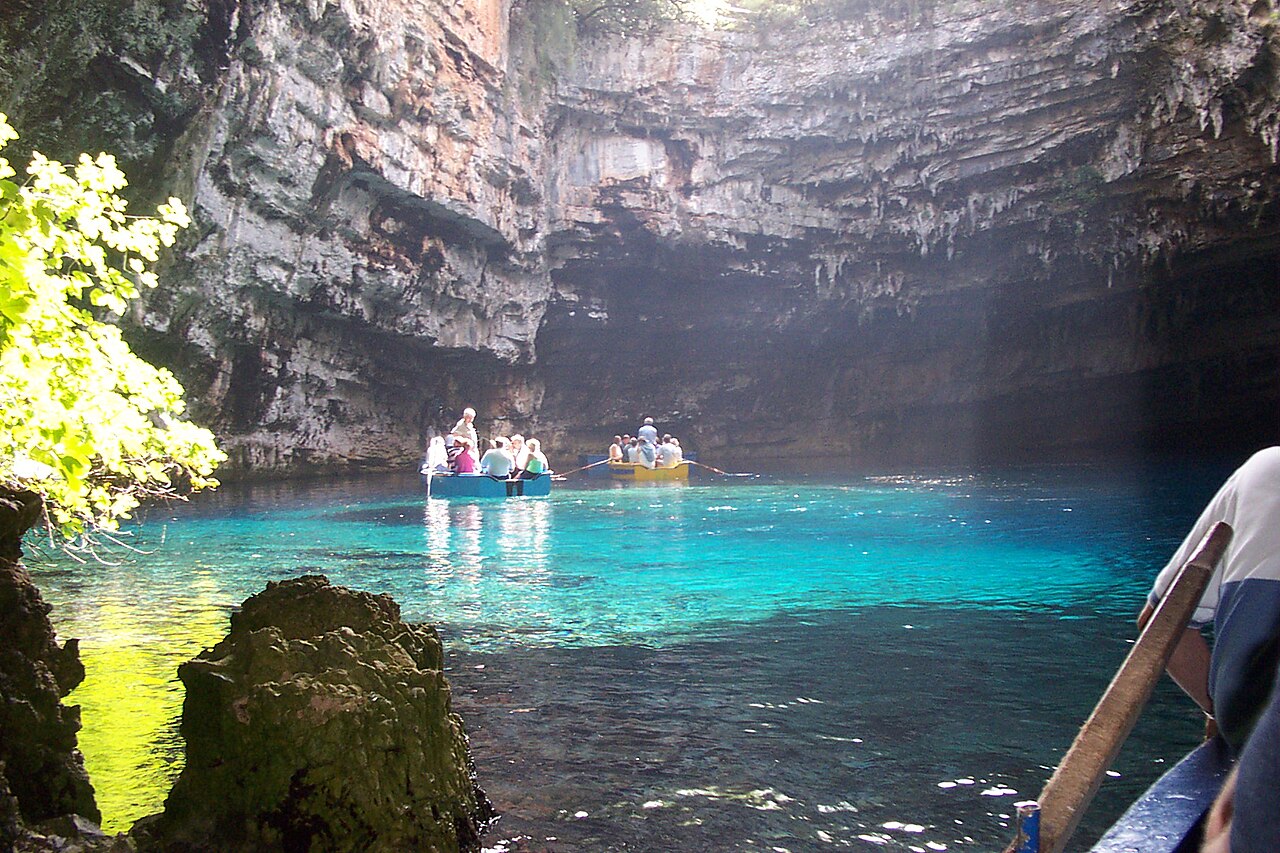
Start with Melissani Lake and Cave near Sami, ideally around midday when the sun lights the water. Boats are rowed by local boatmen, the ride is short, and the setting is unforgettable. Follow with Drogarati Cave, a short drive away, for a cool walk among stalactites. Spend the afternoon at Antisamos Beach, a calm pebble cove of clear green water, then dine on the Sami waterfront. If you want a story thread, add the Captain Corelli tour, which weaves the novel and film through the same coastline. Return to Argostoli in the evening or stay east for a quiet night in Agia Efimia.
Day two: the north loop
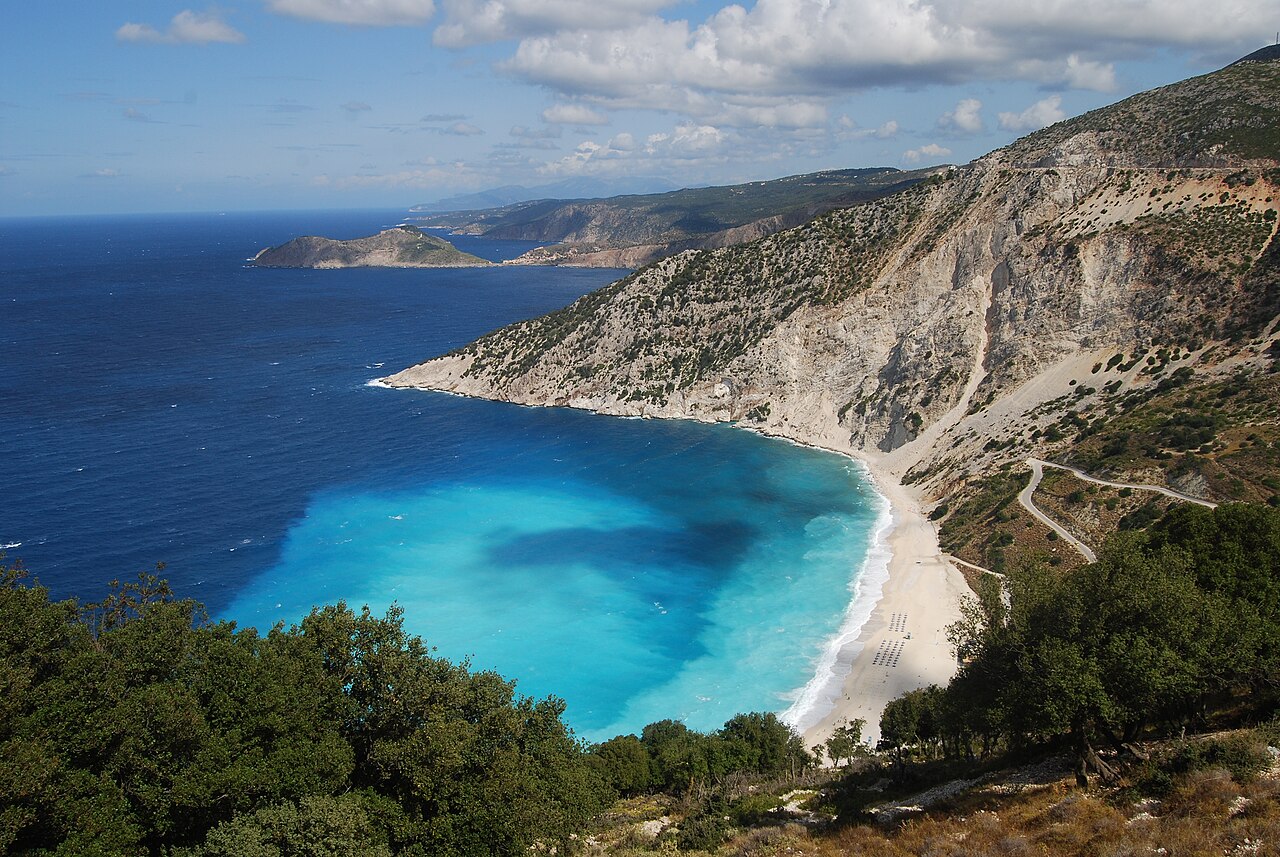
Set out early for the longest drive of the trip. The classic circuit runs from Argostoli past the viewpoint above Myrtos Beach, then down to the bay for a swim, then north to the village of Assos, with its pastel harbour and Venetian fortress, and on to Fiskardo, the island's chic northern port. A guided tour covers all three efficiently and avoids the mountain driving, while a rental car lets you linger. Reserve a waterfront table in Fiskardo for lunch or an early dinner. Plan your return before dark, as some stretches of road are unlit.
Day three: Argostoli and the quieter south
Spend the morning in the capital. Walk across the De Bosset Bridge, visit the Katavothres sea mills where seawater vanishes into the ground, and watch for loggerhead turtles near the fish quay. A guided bike tour or food tour is a good way to meet the town. In the afternoon, choose between two options. Cross the gulf by ferry to Lixouri and the red-sand beach at Xi for a lazy swim, or drive inland to the Castle of Saint George and the Monastery of Agios Gerasimos, finishing with a Robola wine tasting. Either way, end with a harbour dinner and a sunset stroll.
If you have a fourth day
Take a cruise or ferry to Ithaca, the island of Odysseus, for a swim at Gidaki and a lunch in Vathy. Alternatively, hike Mount Ainos on a clear day to see the forest of Cephalonian fir and, with luck, the wild horses. A cooking class is a good rainy-day swap.
Seasonal adjustments
In July and August, start early, book boat trips and tours ahead, and plan swims for the morning. In May, June, and September, the sea is warm and the roads are calmer, and these are the best months for the full circuit. In winter, some seasonal sites close or reduce hours, so confirm before you go, and focus on Argostoli, the interior, and food.
Practical notes
Carry water and sun protection, and wear shoes with grip for cave steps and rocky paths. Fuel up before long drives, as stations are sparse in the north. Cash is useful in small villages. Respect warning flags at beaches, especially on the west coast, and avoid driving the mountain roads after a late dinner if you are tired. Tipping is modest and appreciated, particularly for boatmen and guides.
Who this plan suits
It works for couples, friends, and families with older children. If you travel with toddlers, shorten the drives, choose calmer beaches like Lassi or Skala, and let the caves and villages come in a relaxed order. The point is not to tick off every sight but to leave with a feel for the island's mix of mountain, sea, and village life.
Evenings and rhythm
Greek island days run on a slower clock than many visitors expect. Breakfast is light, lunch is late, and dinner rarely starts before eight in summer. Use the long afternoon break for a swim or a rest, and let the evening be the main social event. If you travel in high season, the cave visits and the north circuit are best done in the morning, leaving the hottest hours for the beach. Pack a light jacket for boat trips and mountain viewpoints, where the breeze can be cool even on warm days. Above all, leave a little slack in each day. A delayed ferry, a slow road, or a long lunch is part of the experience, and the island rewards those who do not over-schedule.