Kefalonia has a Mediterranean climate with hot, dry summers and mild, wetter winters, but the right time to go depends on what you want from the trip. Beaches and boats favour summer, hiking and food travel favour spring and autumn, and quiet breaks favour the shoulder seasons. This guide describes each season in general terms so you can plan.
Spring (April to early June)
The island is green, wildflowers fill the hills, and temperatures are comfortable for walking and sightseeing. The sea is still cool, so swimming is for the brave in April and pleasant by late May. Some tourist services open gradually, and boat trips and caves may run reduced schedules early in the season, so check ahead. Spring is excellent for Mount Ainos, village walks, and cultural visits, and prices are friendlier.
Early summer (June)
Warm days, long light, and a sea that has warmed up make June one of the best months. Beaches are lively but not packed, tours run daily, and tavernas are open. This is a sweet spot for beach holidays, island hopping to Ithaca, and the full north circuit. Book flights and rooms early, as it is increasingly popular.
High summer (July and August)
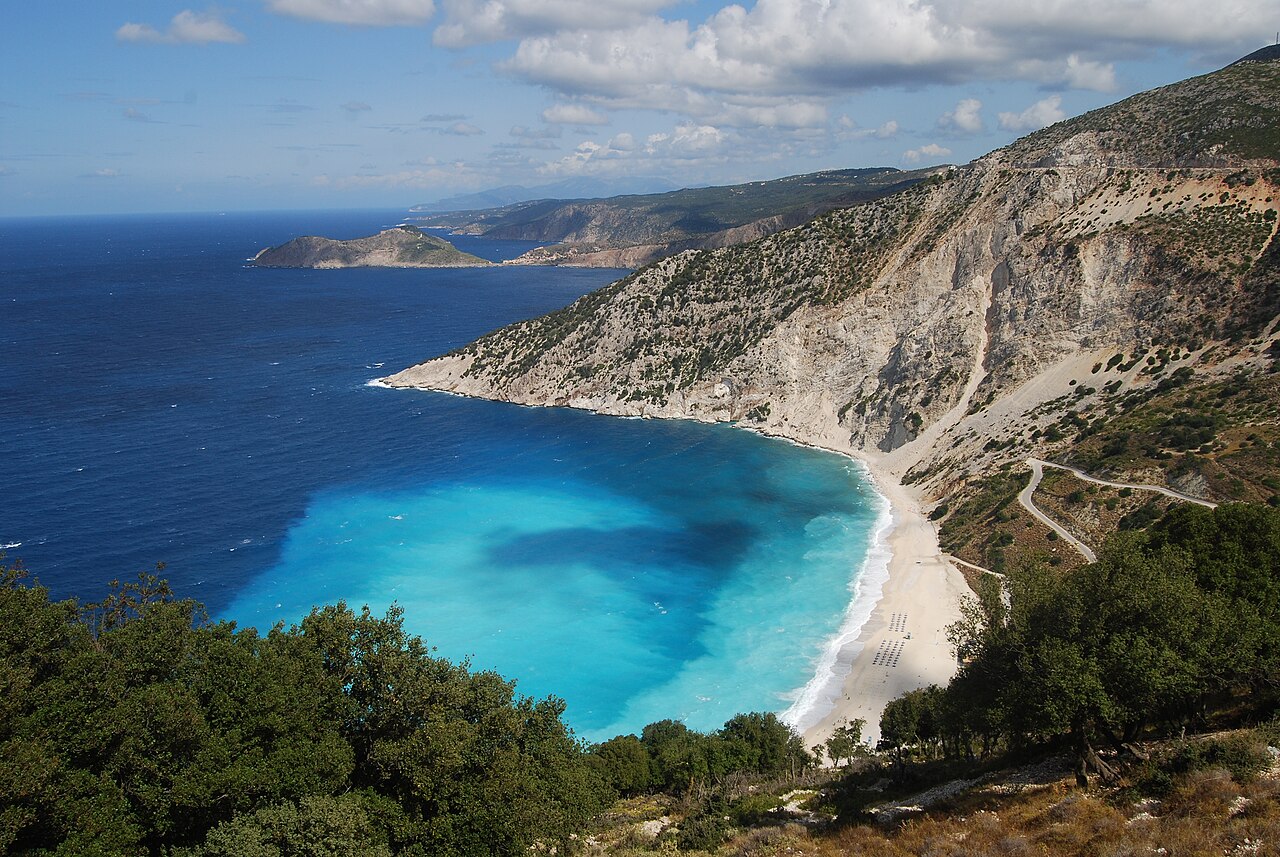
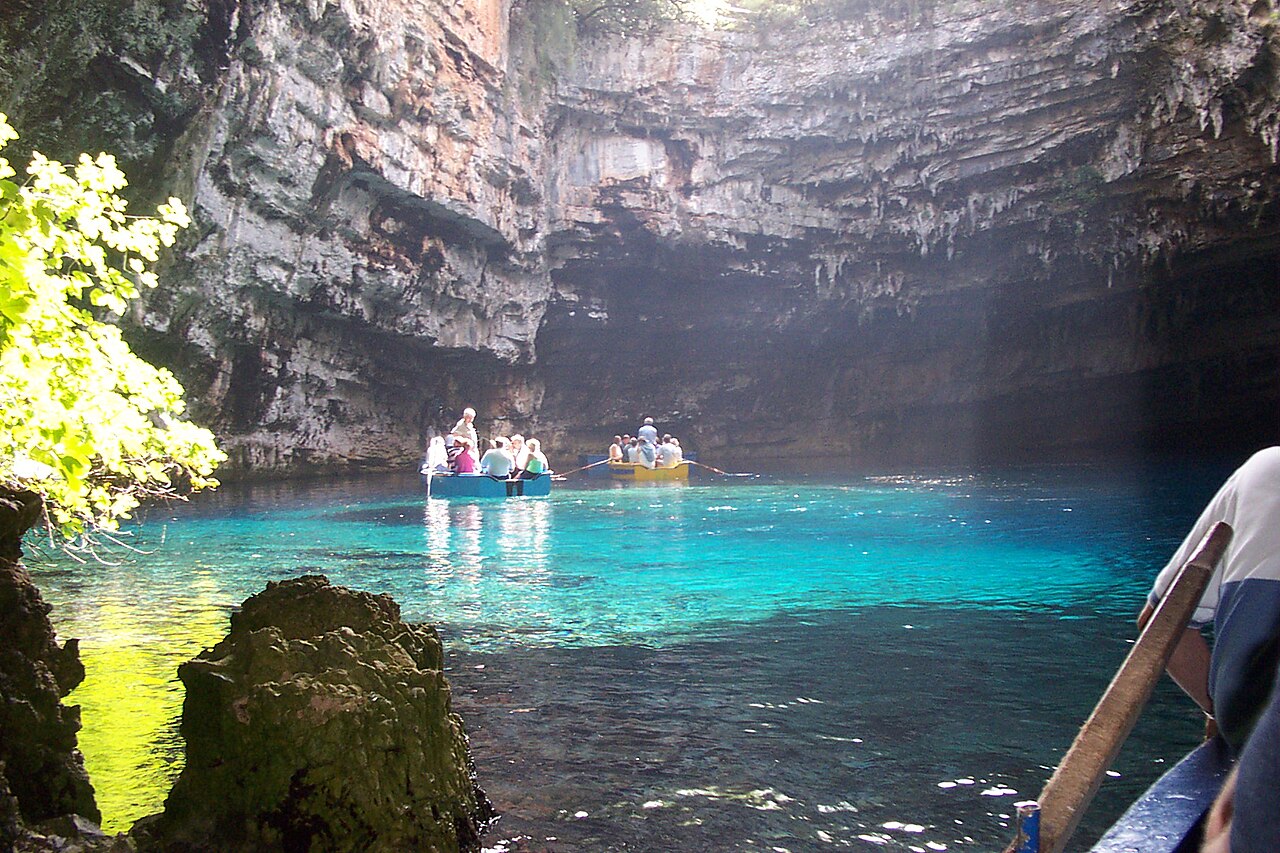
Expect heat, full beaches, crowded roads, and the highest prices. Boats, caves, and restaurants are all running, and the atmosphere is festive. Start early, plan swims for the morning, rest in the heat of the afternoon, and book tours and tables ahead. Melissani and Myrtos are busiest at midday. The west coast can be windy in the afternoon, so check flags.
September
Many locals consider this the best month. The sea is at its warmest, crowds ease, and prices fall. The grape harvest begins, adding colour to wine country. Beaches and boat trips remain open through the month, making it ideal for couples and anyone who wants summer without the rush.
October
The weather is still pleasant early in the month, but services begin to close. Rain becomes more likely, and some boat trips and beach bars finish for the season. Olive harvests start later in autumn. It is a good time for food travel, hiking, and quiet stays, as long as you confirm what is open.
Winter (November to March)
The island is quiet, many tourist businesses shut, and rain and wind are common. Mountain tops can see snow. Argostoli and Lixouri remain living towns with cafes, shops, and restaurants, and the interior is lovely on clear days. Cave visits and boat trips may be limited or closed, so verify before you plan around them. Winter suits travelers who want solitude, local life, and low prices.
Festivals and events
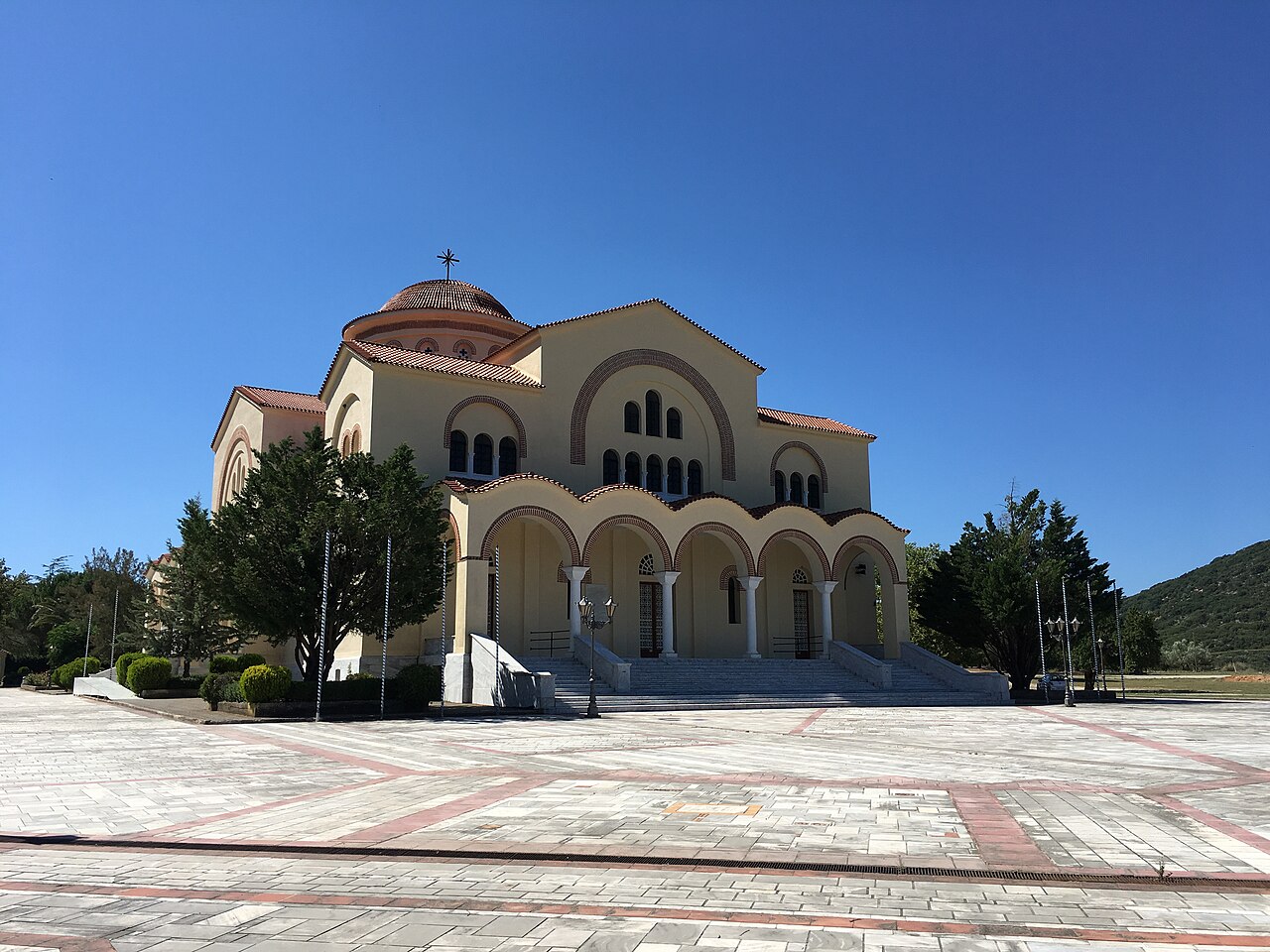
Religious feasts, notably those of the patron saint in August and October, bring pilgrims to the Monastery of Agios Gerasimos. Village festivals, with food, music, and dancing, run through summer. Ask your hotel for local dates, as they vary.
Sea and wind
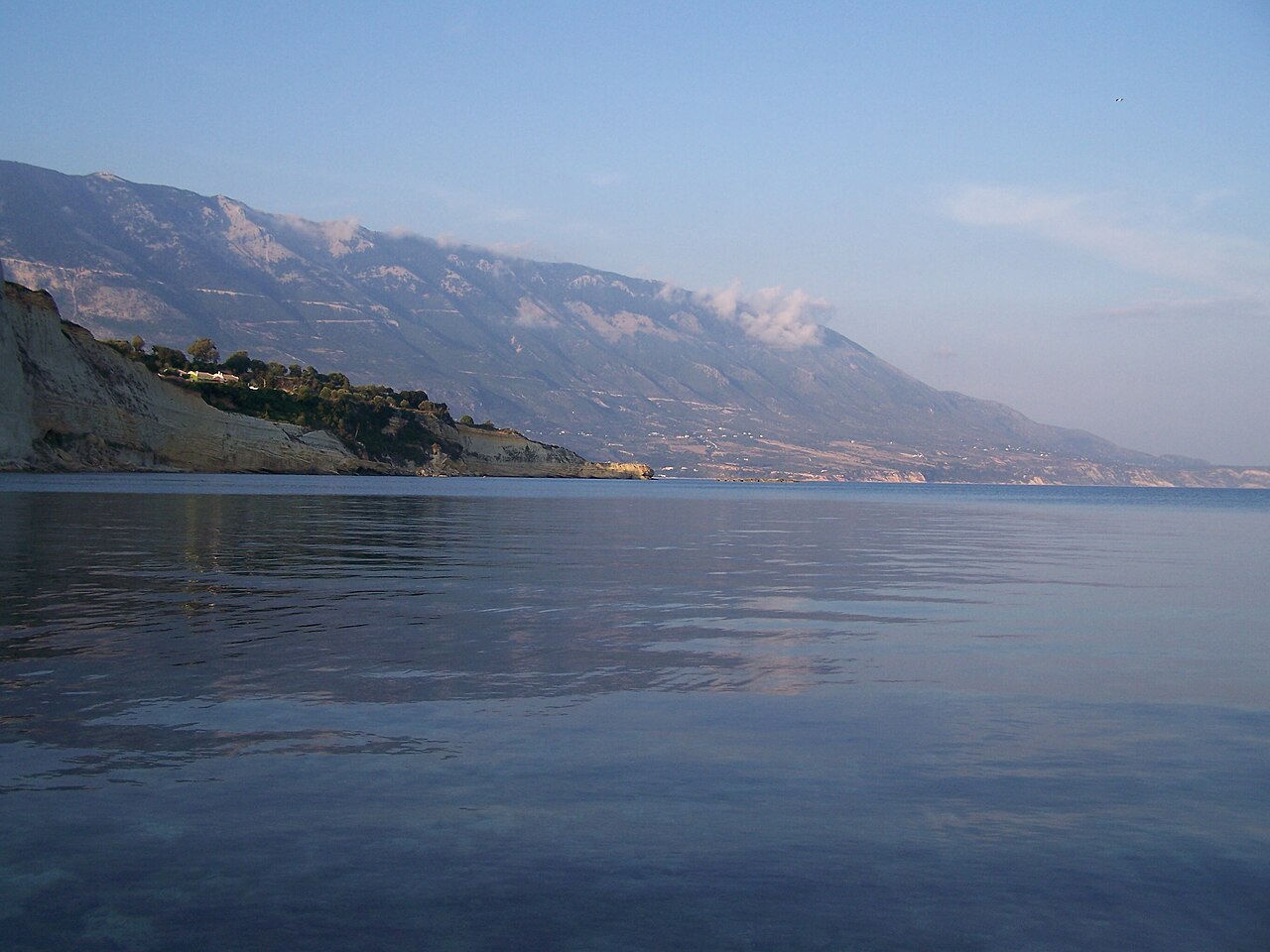
The sea warms from late May, peaks in August and September, and cools through October. Afternoon winds can make the west coast rough in summer, while the east and the gulf are usually calmer. Flags at beaches are worth respecting.
Turtles
Loggerhead sea turtles nest from early summer, and hatchlings emerge from late summer into autumn. Follow local guidelines on beaches. Harbour sightings at Argostoli are possible through much of the year.
Choosing your month
For beaches, choose late June or September. For hiking and food, choose May or October. For the lowest prices and quiet, choose spring or autumn shoulder weeks. For maximum choice of tours and open restaurants, choose July and August, and accept the crowds.
Practical packing and planning
In summer, pack light clothes, a hat, sunscreen, and sturdy sandals for rocky paths. In spring and autumn, add a light jacket and a rain layer. In winter, bring warm clothing and waterproofs. Water shoes help on pebble beaches in any season. If you plan to rent a car, book well ahead for July and August, when demand is high and automatic cars are limited. Check ferry timetables, because services vary by season, and confirm opening times for caves, museums, and monasteries. Flexible plans work best, since weather and sea conditions can change a boat day or a hike at short notice.
Crowds and cruise days
On days when cruise ships call at Argostoli, popular stops such as Melissani and Myrtos feel busier, particularly around midday. Starting early or visiting in the late afternoon avoids the worst of it. Check the port schedule if you can, and plan quieter activities, such as a food tour or an inland drive, on the busiest days.