The Okanagan is one of Canada's great food and drink regions, and Kelowna is its easiest gateway. The valley's long, dry summers, cool nights and lake-moderated winters grow everything from grapes to cherries, and the result is a food scene built on local produce, small producers and a relaxed, outdoorsy attitude. This guide explains what to taste, when to taste it and how to organise your days so that eating and drinking are a pleasure rather than a logistical puzzle.
Start with wine
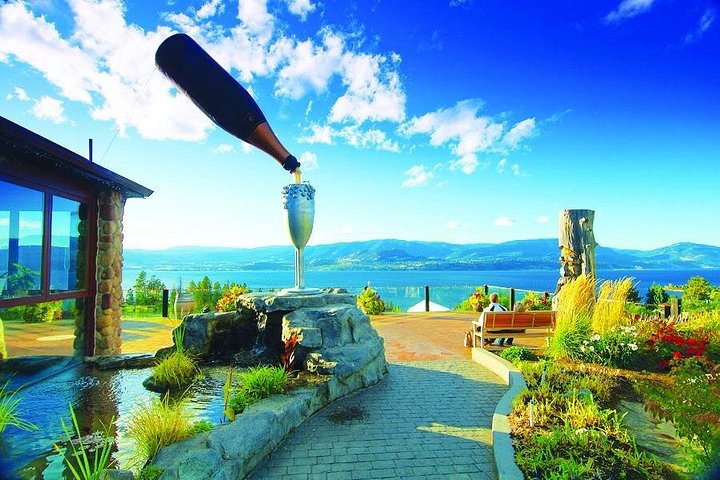
The Okanagan is British Columbia's main wine region, and its vineyards run along the lakes and hillsides from Vernon in the north to Osoyoos in the south. Around Kelowna, the best-known clusters are West Kelowna, East Kelowna and Lake Country, with the Naramata Bench to the south. Cool-climate grapes do especially well, so look for Pinot Noir, Chardonnay, Pinot Gris, Riesling and aromatic whites, alongside Merlot, Syrah and Bordeaux-style blends from warmer sites, and sparkling wines from several producers. Ice wine, made from grapes harvested frozen on the vine in deep winter, is a regional speciality that makes a memorable gift. Large estates such as Mission Hill Family Estate and Quails Gate give a polished introduction, with architecture, views and restaurants, while smaller producers on the Naramata Bench offer a more personal experience.
How to taste
Most tasting rooms charge a fee that is often credited against a bottle, and many strongly recommend reservations, especially at weekends and in harvest season. Tastings are for guests of legal drinking age. Pace yourself, drink water between flights, and ask about food pairings, since many wineries have restaurants, picnic areas or small plates. If you want to taste properly, book a tour with a driver or ask your hotel about transport, rather than trying to drive between estates. Shipping rules for wine are restrictive across provincial and national borders, so ask the winery what is possible before you buy.
Eat with the seasons
The valley's fruit calendar is a good guide. Spring brings asparagus and early greens. Cherries arrive in early summer, followed by apricots, peaches and nectarines in high summer, then plums, pears and apples through autumn, and roadside fruit stands and farm shops sell them at their peak. Many farms offer pick-your-own days, and farmers markets run in the warmer months, with produce, baking, preserves and local cheese. In winter, the focus moves indoors to hearty menus, cider and warm patio fires, and some seasonal farm stands close, so check hours before you drive out.
Beer, cider and spirits
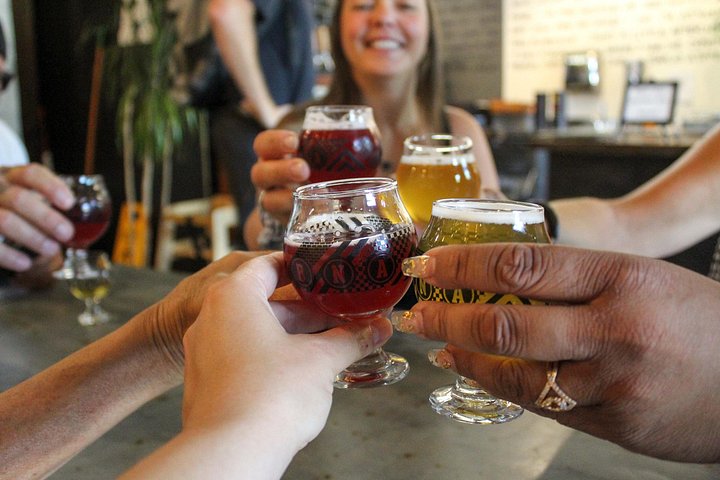
Kelowna has a lively craft beer scene, and a brewery tour is a fun alternative to a wine day, with several breweries in the downtown and nearby districts and tasting flights as an easy way to sample. The valley's orchards also feed a strong cider and fruit-wine tradition, plus small-batch distilleries that make fruit brandies and gin from local ingredients. These are good wet-weather and winter options when vineyard patios are quieter.
A simple way to eat well
The easiest introduction is the guided walking food tour in downtown Kelowna, which covers several tastings and drinks in a few hours, introduces the local producers and gives you a shortlist for later meals. Book it for your first or second evening and use it to decide where to return. Pair it with a winery lunch in West Kelowna and a casual dinner on the waterfront, and you will have covered most of what the valley does best.
Picnics and snacks
The best outdoor days in the Okanagan often come with a picnic. Buy bread, cheese, charcuterie and fruit from a farm shop or market, add a bottle from a winery you liked and head for the lake or a viewpoint. Some trailheads have no food or water at all, so stock up before you go, particularly at Myra Canyon. On hot days, carry more water than you think you need.
Dietary needs and booking
Restaurants and tour operators in Kelowna generally cope well with vegetarian, vegan and gluten-free diets, but mention allergies when you book rather than on the day. Reservations are wise for weekend dinners and summer evenings, and some winery restaurants close in the cooler months or reduce their hours, so check before planning a big meal around one.