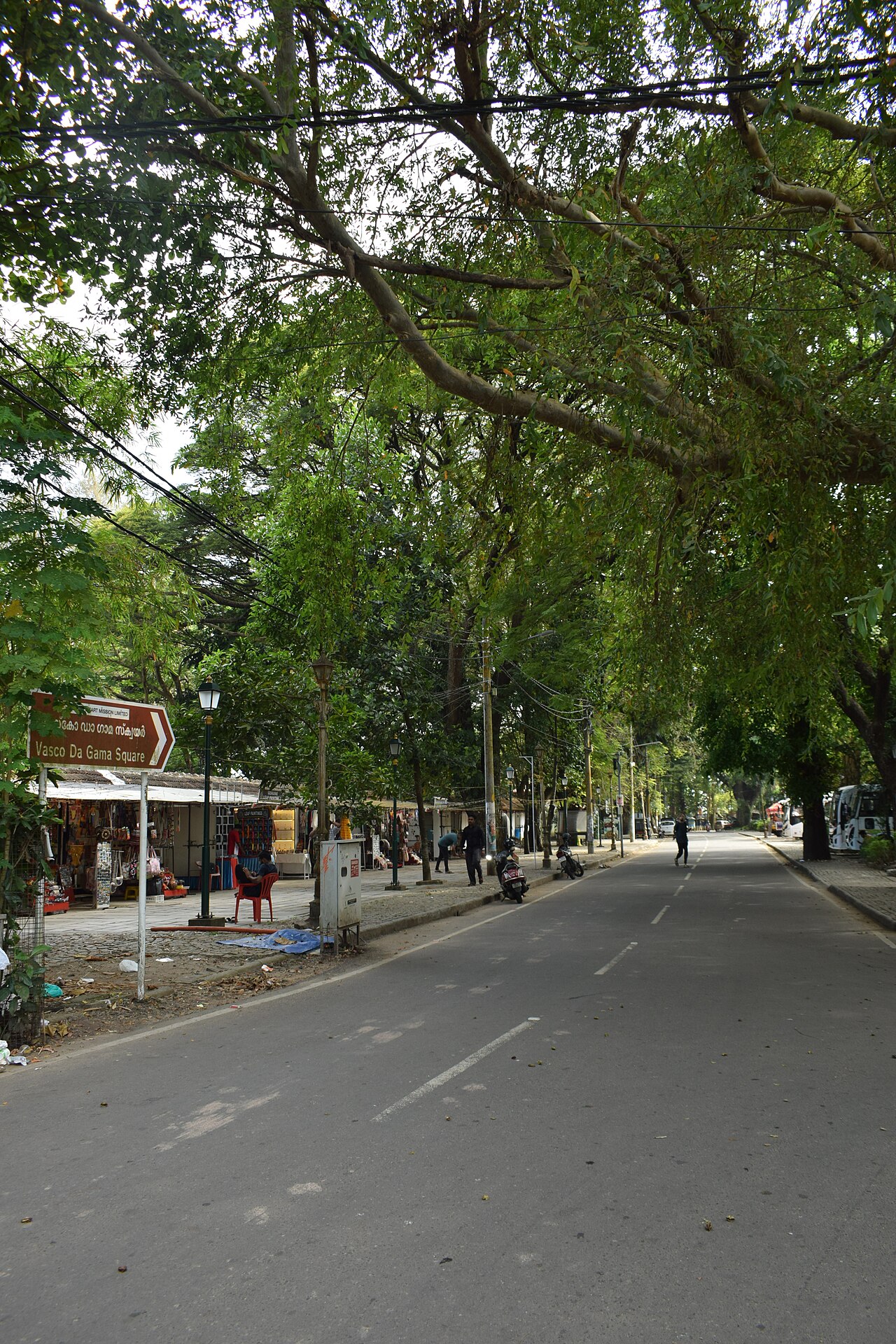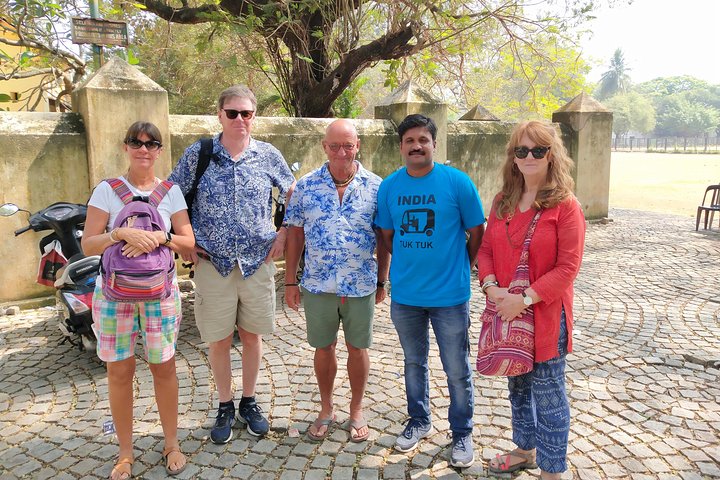
Fort Kochi is the old heart of Kochi, a waterfront quarter of colonial streets, churches, shuttered warehouses and small lanes that grew up around one of the great spice ports of the Arabian Sea. Portuguese, Dutch and British rulers all left their mark, and Kerala Tourism points visitors to the area’s walking tours because the sights are close together and the stories behind them are layered. This guided walk links Fort Kochi with Mattancherry, the neighbouring quarter of spice warehouses, Jew Town and the old palace, so you see both halves of the story in one morning or late afternoon. A local guide adds what a signboard cannot: why the streets are laid out as they are, who built what, and which doorway leads to a courtyard worth a look. The walk is on foot and unhurried, with time for photographs and a cold drink, and it suits first-time visitors who want orientation before choosing what to revisit.
How to visit
The walk is a guided experience of about three hours, and the guide meets you in Fort Kochi. It is rated 4.9 from around 160 travellers on the booking page, with prices starting from roughly the price of a modest meal, and the cost varies with group size. Check the meeting point and the language of the guide when you reserve, and confirm what is included, because entry to individual sights is often paid separately.
What to expect
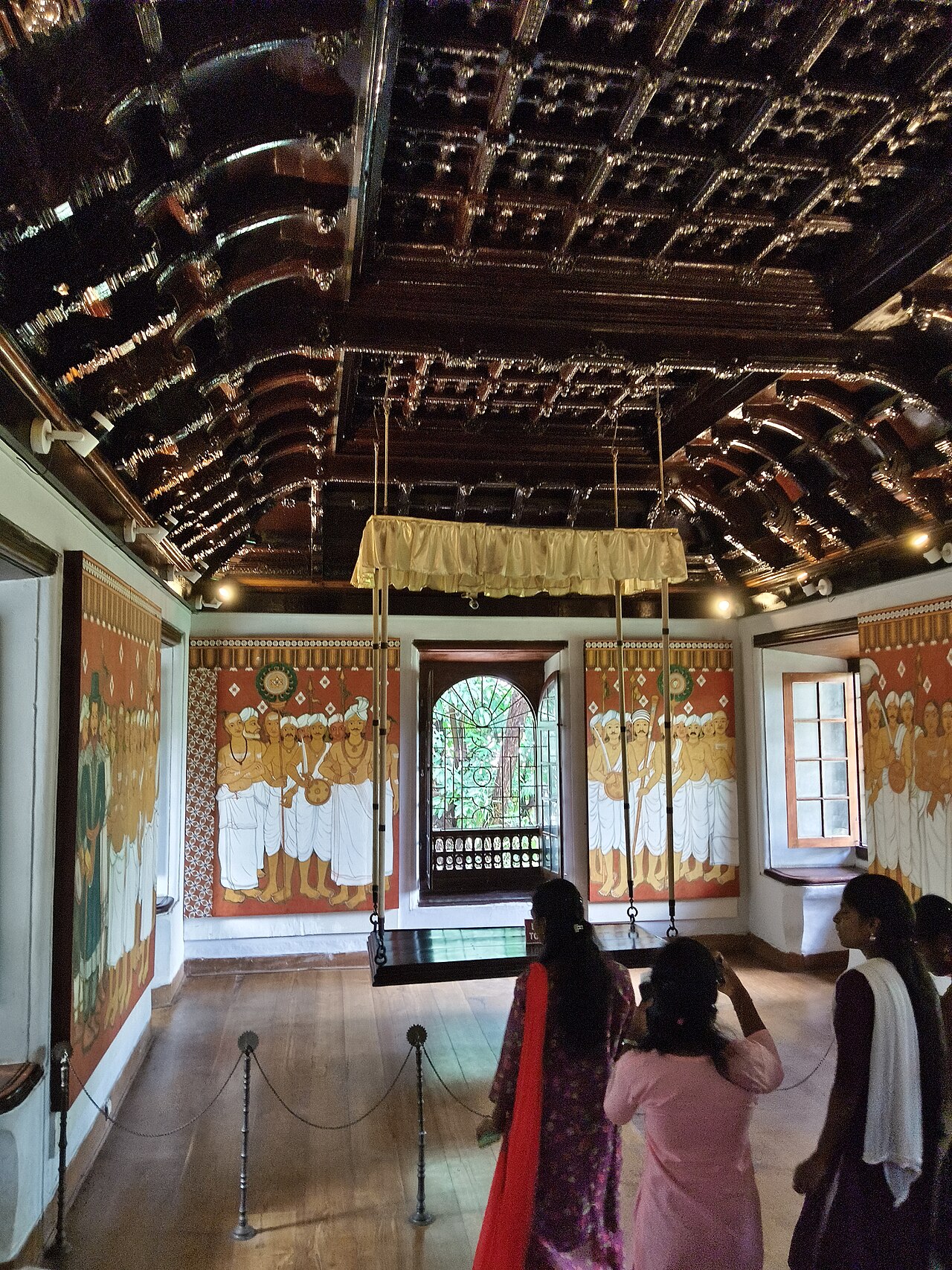
You walk through the old quarter past colonial-era churches and houses, the waterfront with its fishing nets, and into Mattancherry, where the lanes smell of ginger, cardamom and pepper. The guide can explain the Portuguese arrival, the Dutch period and the Jewish community of Jew Town, and points out details such as carved doors and old trading houses. Wear comfortable shoes, carry water and a hat, and keep a little cash for tuk-tuks, snacks or entry fees.
Making the most of it
Start early in the cooler months from November to February, or choose late afternoon so the walk finishes near the waterfront as the light softens. Mattancherry Palace is closed on Fridays according to Kerala Tourism, so pick another day if you want to go inside, and note that places of worship have their own visiting days and dress rules. Add a second evening for a cultural show or a food walk, and treat the walk as the introduction to the whole city.
What to expect
The experience
A guided walk of about three hours through the colonial lanes of Fort Kochi and the spice-trading quarter of Mattancherry.
Best time
Early morning or late afternoon from November to February, when the heat is mild and the light is good.
How long
About three hours at an easy pace, with stops for photographs and refreshments.
Tips
Wear comfortable shoes, carry water, keep cash for entry fees and snacks, and avoid Fridays if you want to enter Mattancherry Palace.
Quick picks
- Best for
- First-time visitors who want the story of Kochi explained before they explore alone.
- Families
- Children who like stories enjoy it, but the heat and the distance are tiring for very young ones.
- Couples
- A relaxed shared morning through lanes, courtyards and the waterfront.
- Pair with
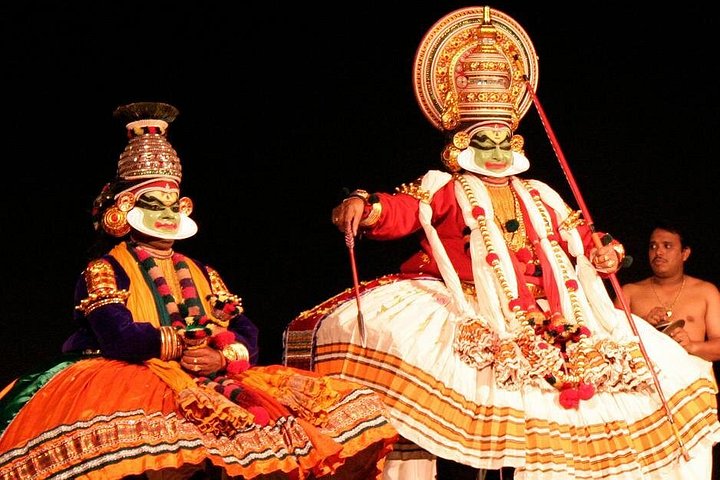
- The Chinese fishing nets at sunset and a Kathakali performance in the evening.
- Time needed
- A morning or late afternoon, around three hours.
Good questions
How long is the Fort Kochi heritage walk?+
The guided walk takes about three hours. It covers Fort Kochi and Mattancherry at an easy pace.
What does the walk cover?+
It links the colonial streets and waterfront of Fort Kochi with Mattancherry and its spice lanes and Jew Town. Your guide shapes the exact route.
Is the heritage walk good for first-time visitors?+
Yes, because the sights are close together and the guide explains the Portuguese, Dutch, British, Jewish and Chinese threads in one go. It makes the rest of your stay easier to plan.
Are entry fees included?+
Check when you reserve, because sights such as palaces and museums usually charge separately. Carry a little cash for anything extra.
What is the best time of year to walk Fort Kochi?+
November to February is the most comfortable season, with warm days and cooler mornings. The monsoon from June to September brings heavy rain.