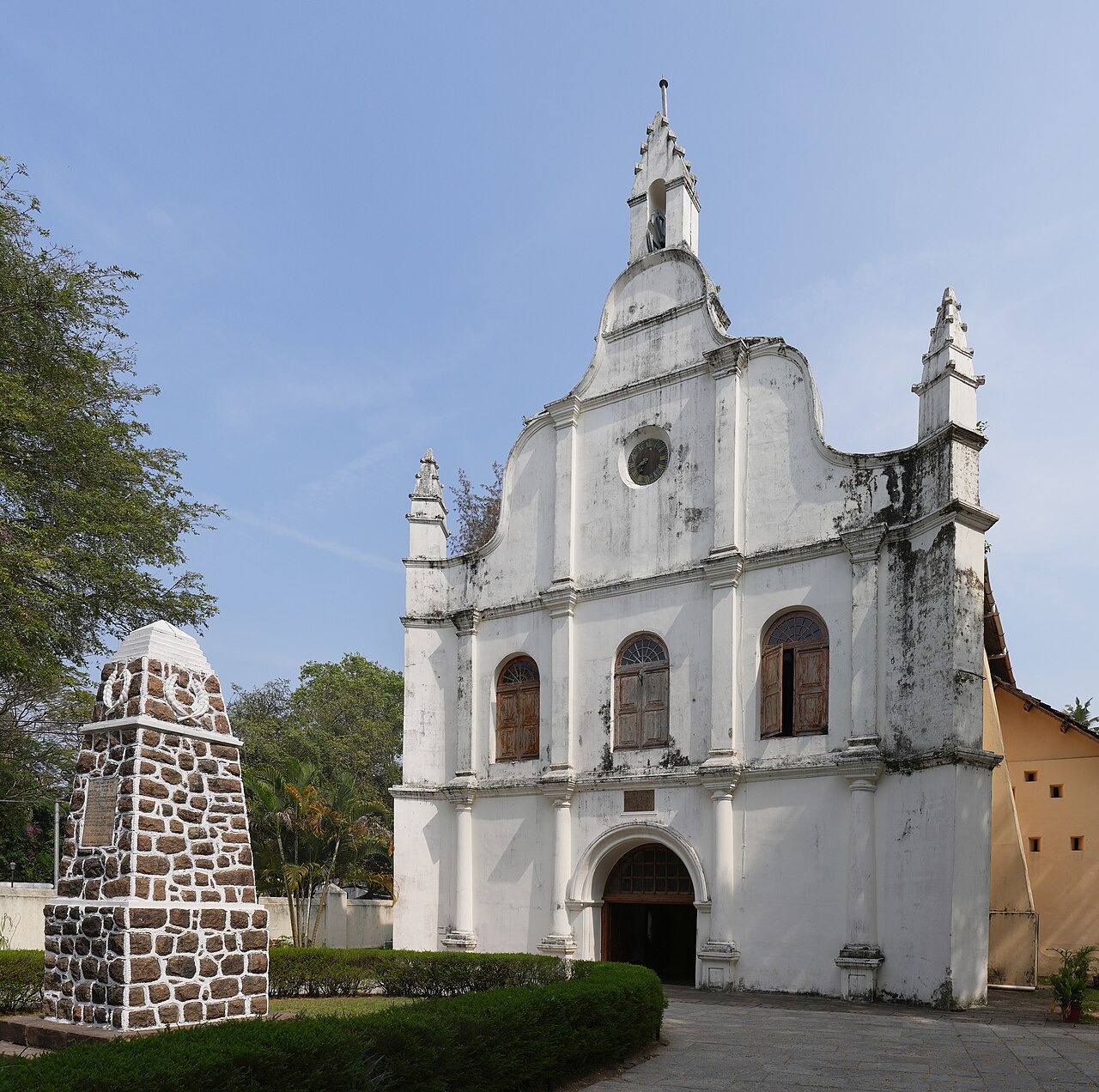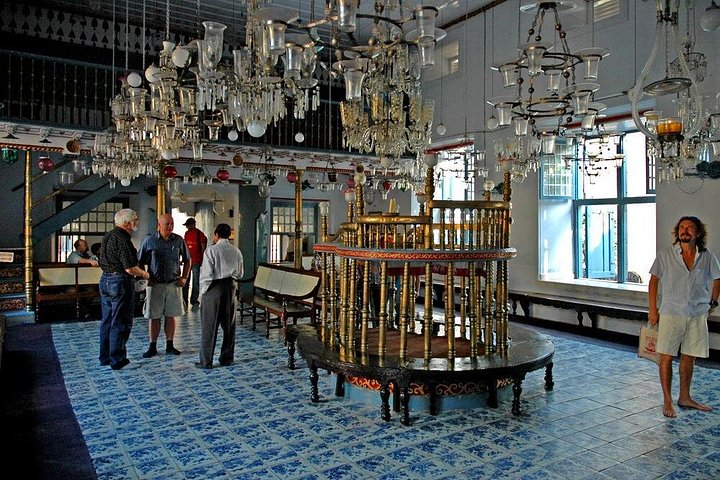
Muziris was one of the great ports of the ancient world, a trading harbour on the Malabar coast where pepper, pearls and timber were loaded for Roman and Arabian markets more than two thousand years ago. The port faded after a flood in the fourteenth century reshaped the Periyar river and gave rise to Kochi, which is why so much of Kerala's early history sits in the villages north of the city rather than in Kochi itself. A heritage trail through this area is a very different day from the Fort Kochi walk: slower, greener and built around small sites rather than headline monuments. Expect a mix of old churches, a mosque with a distinctive timber roof tradition, temples, former Jewish settlements, canal-side lanes and the excavation areas that are slowly revealing what the port once looked like. A guide matters here, because many of the stops are modest to look at and only come alive when someone explains who traded there, which communities arrived and how the layers of Kerala's religious life came to sit so close together. Muziris is a good choice for travellers who have already done the main Fort Kochi sights and want to understand why Kerala was a crossroads long before Europeans arrived.
How to visit
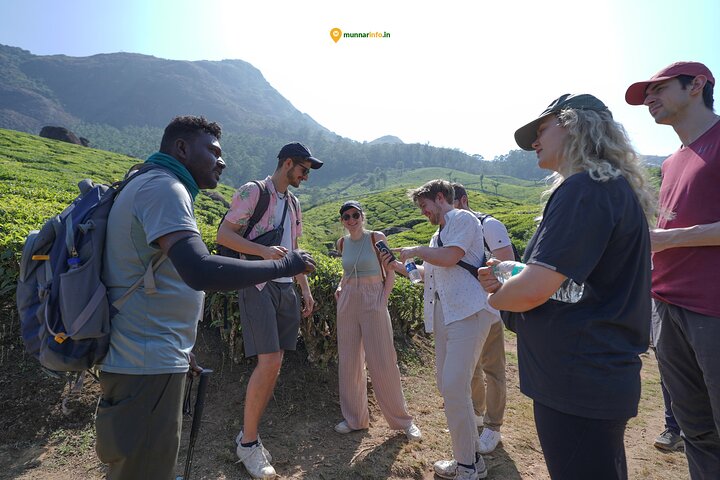
The trail is a guided day trip from Kochi by road, usually with a driver and a guide, covering several stops in the area north of the city around Kodungallur and Paravur. Confirm the pickup point, the list of stops, whether entry fees are included and what is arranged for lunch when you reserve.
Plan for most of the day, since distances between stops are short but roads are narrow and traffic slows the journey. Wear comfortable shoes you can slip off at religious sites, carry water and a hat, and dress modestly with shoulders and knees covered, which is expected at temples, mosques and churches.
What to expect
This is a cultural and historical day rather than a scenic one. You will move between small sites, hearing about the Roman trade in pepper, the early Jewish and Christian communities, the arrival of Islam on the Malabar coast and the later Portuguese and Dutch presence. Some stops involve a short walk through villages and along waterways, and some buildings are working places of worship, so the guide may adjust the order to avoid services.
Excavated areas can look like quiet fields until the story is explained, so set expectations accordingly. The weather is hot and humid for much of the year, and monsoon rain between June and September can make village paths muddy and flood low roads, so check conditions with the operator.
Making the most of it
Go in the cooler months from November to February, start early and ask the guide to focus on the stories that interest you most, whether trade, religion or architecture. Pair this day with the Fort Kochi heritage walk and the Paradesi Synagogue to connect the ancient port with the later history of the city, and try the local lunch, which tends to be simple Kerala food rather than a restaurant meal.
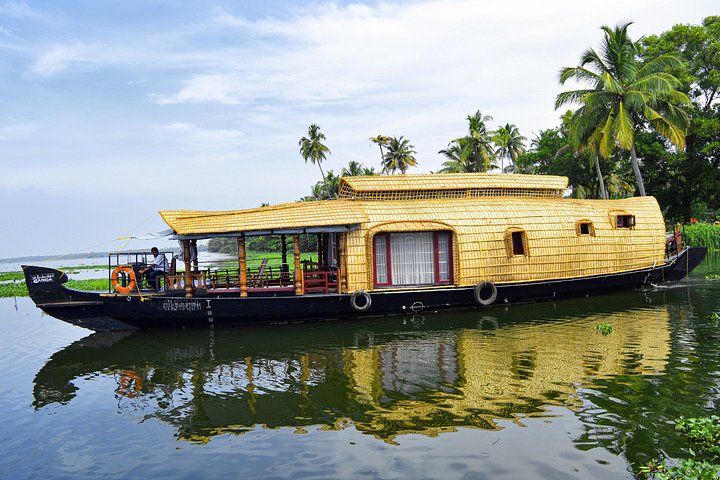
Keep small change for donations and be respectful when photographing worshippers. If you like this kind of travel, consider a backwater village visit on a separate day to see how the same river system shapes everyday life today.
What to expect
The experience
A guided heritage day trip by road from Kochi to the old port area of Muziris, north of the city.
Best time
The cooler months from November to February, starting early in the morning.
How long
Most of a day, with several short stops between villages.
Tips
Dress modestly, wear shoes that slip off easily, carry water and confirm entry fees and lunch when you reserve.
Quick picks
- Best for
- Curious travellers who want Kerala history beyond Fort Kochi.
- Families
- Fine for older children who enjoy stories, but the day is long and the stops are quiet.
- Couples
- A thoughtful, uncrowded day with plenty to talk about afterwards.
- Pair with
- The Fort Kochi heritage walk and the Paradesi Synagogue.
- Time needed
- One full day.
Good questions
What is Muziris?+
Muziris was an ancient trading port on the Malabar coast that shipped spices, especially pepper, to Roman and Arabian markets. Its remains lie in the villages north of Kochi.
Is a guide necessary?+
It helps a great deal. Many stops are modest to look at, and the history only comes alive when a guide explains who traded there and which communities settled.
How long is the trip?+
Plan on most of a day. Distances are short, but roads are narrow and traffic is slow.
What should I wear?+
Dress modestly with shoulders and knees covered, and wear shoes that are easy to remove at places of worship.
Can I combine it with Fort Kochi?+
Yes, but on separate days. Doing Muziris first gives useful context for the Fort Kochi heritage walk and the Paradesi Synagogue.