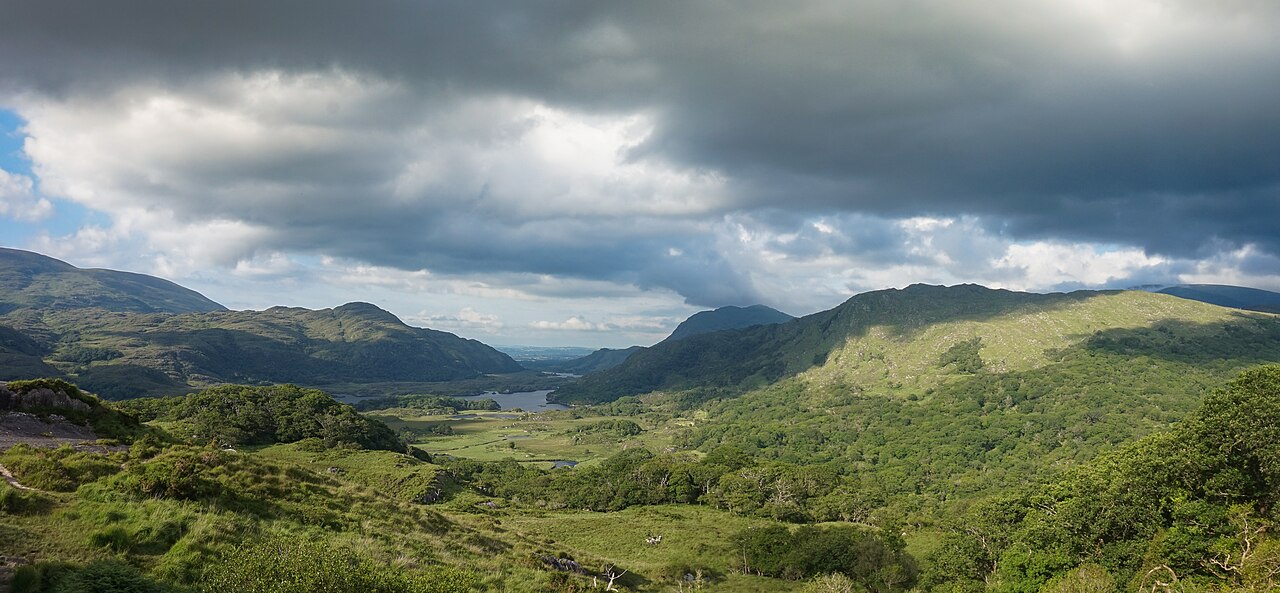
Carrauntoohil is the highest mountain in Ireland, at 1,038 metres, and it rises at the heart of the MacGillycuddy's Reeks, the range that forms the backdrop to Killarney. The climb is the signature challenge for walkers in Kerry: a long, steep day on rough ground, with scrambling in places and big views from the top across Kerry, Cork and out to the Atlantic on a clear day. It is not a technical climb in the mountaineering sense, but it is a serious mountain walk, and the combination of steep gullies, loose rock and rapidly changing weather has caught out many visitors who went without a guide or the right equipment. A guided climb is the sensible way to do it, because the guide chooses the route for the conditions, sets a safe pace, knows when to turn back and can point out the lakes, the corries and the ridges along the way. The tour linked here is a full day, with guests making their own way to the meeting point at the foot of the mountain.
Expect a day of seven to eight hours in total, which includes the approach through the Hag's Glen, the climb itself and the descent. The most popular route goes up the Devil's Ladder, a steep, eroded gully of loose stone that needs care, and many guides prefer to lead groups by other routes that are safer in wet conditions, including a longer ridge route with spectacular views.
The ascent is a sustained climb, and the top is often in cloud even when the valley is clear, so the reward is not guaranteed, but the sense of achievement is real either way. You will need to be fit and used to long days of walking, since there is no easy way down.
Equipment matters. Wear proper walking boots with good grip, waterproof jacket and trousers, warm layers and a hat and gloves, even in summer, because it is much colder and windier at the top than in the valley. Carry plenty of water and food, as there is nothing on the mountain, and bring a small rucksack, sunscreen and a fully charged phone.
The guide will brief you on what is required and may refuse to take anyone who is poorly equipped, which is a sign of good practice. Check the forecast and be prepared for the guide to change the route or cancel on safety grounds, as this is common in poor visibility or after heavy rain.
If a full summit climb is more than you want, there are gentler ways to enjoy the Reeks. Walks in the Hag's Glen and to Lough Callee give a taste of the mountain scenery, and the Gap of Dunloe, at the foot of the range, can be walked in a morning. Whatever you choose, treat the mountains with respect, tell someone where you are going, and do not rely on mobile signal.
The best months for the climb are late spring to early autumn, when the days are long and the ground is driest, while winter climbs need experience, specialist kit and a guide who is comfortable with snow and ice. Whatever the season, set aside the following day for something gentle, because the descent works the knees and thighs harder than most people expect.
What to expect
The experience
A small group guided climb with a local mountain guide, starting from a meeting point at the foot of the Reeks, with guests making their own way there.
Best time
Late spring to early autumn, on a day with a settled forecast and good visibility.
How long
Seven to eight hours, including the approach, the summit and the descent.
Tips
Wear proper boots and waterproofs, carry food and water, be fit for a long day and accept that the guide may change the route or cancel for safety.
Quick picks
- Best for
- Fit walkers who want to stand on the highest point in Ireland.
- Families
- Not suitable for young children, and teenagers need to be fit and used to long hill days.
- Couples
- A big shared challenge with a real sense of achievement at the top.
- Pair with
- The Gap of Dunloe, a Hag's Glen walk and a hot meal in town afterwards.
- Time needed
- A full day.
Good questions
How high is Carrauntoohil?+
It is 1,038 metres, the highest mountain in Ireland, in the MacGillycuddy's Reeks above Killarney.
Do I need a guide?+
It is strongly advised. The routes are steep, the rock is loose in places and the weather changes quickly, so a guide improves safety and the chance of reaching the top.
How fit do I need to be?+
You need good fitness and experience of long walking days on rough ground. Expect seven to eight hours with a steep ascent and a tiring descent.
What should I wear and bring?+
Walking boots, waterproofs, warm layers, hat and gloves, plenty of water and food, and a small rucksack. Your guide will give a full kit list.
Can it be cancelled for weather?+
Yes. Guides cancel or change routes if visibility is poor or conditions are unsafe, so keep your plans flexible.