Lanta Old Town, also spelled Si Raya, is the island's historic port and the best place to feel what Ko Lanta was before the resorts arrived. It sits on the sheltered east coast, about half an hour by road from the west coast beaches, and it is built along a single street that follows the shoreline. Wooden shophouses with carved shutters line the road, and behind them are houses on stilts that reach out over the water. For generations the town was the trading post for the Andaman coast, where boats from across the sea brought goods and where Chinese families, Thai Muslims and the sea nomads known as Chao Leh settled side by side. Today it is a calm, photogenic place with cafes, galleries, small museums, family-run shops and seafood restaurants over the water. There is no entrance fee; you simply walk.
The best way to see the old town is on foot, and slowly. Start at one end of the main street and work your way along, stopping to peek into the shophouses, many of which have been converted into small shops, cafes and guesthouses without losing their character. Look up at the wooden balconies, the tiled roofs and the faded paint, and notice the details in the doors and the old shop signs.
Several buildings have signboards or displays that tell their story, and some keep a small collection of old photographs and household objects open to visitors. A Chinese shrine and the nearby mosque mark the two main communities, and the Chao Leh village nearby is a reminder of the people who lived here first.
Food is a good reason to come. Local cafes serve strong Thai coffee and fresh pastries, and the seafood restaurants built out over the water offer grilled fish, crab curry and squid with views of the mangroves. Muslim families run many of the eateries, so you will find roti, curries and sweet desserts alongside the seafood.
A small night market operates on some evenings, and the quality of the food is a notch above the beach strip. If you plan dinner here, go early enough for the sunset light on the water and book a table if you want a spot on the terrace.
Culture and etiquette are straightforward. Dress modestly when walking through the community, with covered shoulders and knees, and ask before photographing people or entering religious buildings. On Fridays, some businesses close at midday for prayers, so check opening hours. The old town is quieter than the beaches, with fewer tour buses, and that is part of its appeal. Expect heat and humidity in the middle of the day, so bring water and a hat, or visit in the early morning or late afternoon when it cools down and the light is soft.
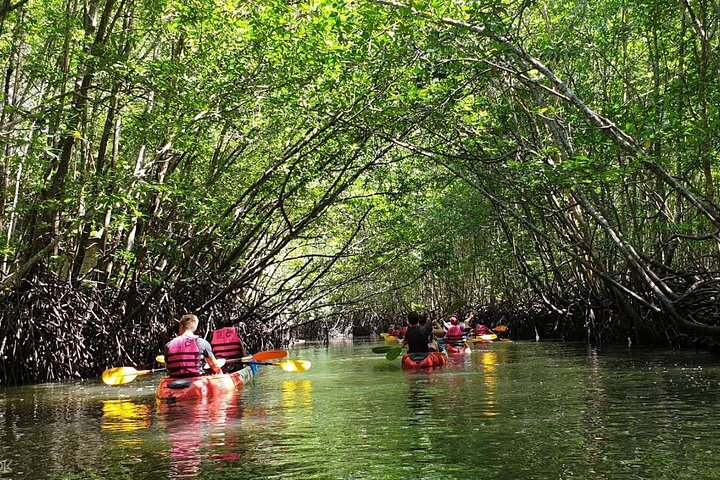
Getting there is simple. Taxis and tuk-tuks run from the beaches, and many visitors rent a scooter, although the road is narrow and the traffic can be unpredictable. Several tours combine the old town with mangrove paddling or boat trips, which is a good option if you do not want to arrange transport yourself. Allow two to three hours for a relaxed visit including a meal. It pairs well with a morning in the mangroves and a sunset at the west coast, and it makes a nice contrast to a beach-only stay.
What to expect
The experience
A self-guided walk along the waterfront street of Lanta Old Town, with cafes, shops, seafood restaurants and stilt houses. No entrance fee.
Best time
Early morning or late afternoon for cooler weather and soft light. It is a good wet-weather alternative to the beach.
How long
Allow two to three hours including a meal.
Tips
Dress modestly, carry water and cash, ask before photographing people and check opening hours around Friday prayers.
Quick picks
- Best for
- Travelers who want culture, history and good food away from the beaches.
- Families
- Flat and easy, though the midday heat is strong.
- Couples
- Book a table on the water for sunset and a seafood dinner.
- Pair with
- A mangrove kayak or boat trip, then dinner in town.
- Time needed
- A half day with a meal.
Good questions
Is there an entrance fee?+
No. It is a living street that you can walk freely, though shops, cafes and some small displays have their own prices.
How do I get there from the beaches?+
By taxi, tuk-tuk or rented scooter, usually about half an hour from the west coast. Many tours include a stop.
When is it busiest?+
Evenings and weekends, when restaurants and night market stalls open. Mornings are quieter.
What should I wear?+
Light, modest clothing with covered shoulders and knees, and a hat for the sun.
Is it worth a full day?+
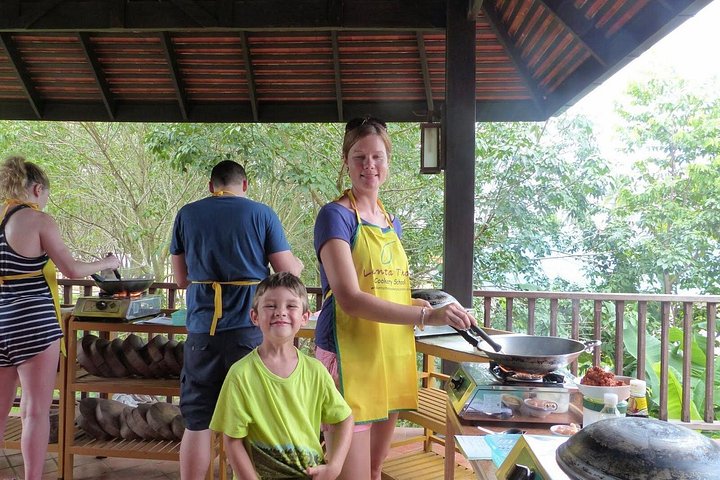
Half a day is plenty. Combine it with mangroves or a cooking class for a fuller day.