The Great Hanshin-Awaji earthquake struck in the early morning of 17 January 1995 and changed Kobe forever. More than six thousand people died, hundreds of thousands lost their homes and the harbor and highways were badly damaged. The disaster museum on the waterfront in the HAT Kobe district is the best place to understand what happened and how the city recovered. It is a modern museum with multi-sensory exhibits, including a dramatic recreation of the moment the quake struck, a gallery of everyday objects that survived, survivor testimony and sections on how communities rebuilt and how Japan now prepares for disasters. It is moving and sometimes difficult, but it is also hopeful, because much of the museum is about solidarity, volunteers and the long work of renewal. The museum is a serious stop rather than a light attraction, and it is well suited to travelers who want to understand modern Kobe beyond the harbor lights and the beef. The guided tour linked to this page adds the voice of a local guide, who can explain the events in context and answer questions.
What you will see is a mix of storytelling and practical lessons. One section recreates the shaking and the destruction in a short immersive film, which some visitors, especially young children or people who lived through disasters, may find upsetting. Other sections show household objects, damaged street scenes and personal accounts, and later galleries explain the response, from search and rescue to temporary housing, and the volunteer movement that grew from it.
A final area looks ahead, with exhibits on disaster preparedness, risk reduction and how to protect your family in an earthquake. Many visitors find this the most useful part of the visit, since Japan sits on a seismic zone.
Guided tours help because the museum is dense, and the story has layers that are easy to miss. A local guide can connect the exhibits to places you will see elsewhere in Kobe, such as the rebuilt waterfront and the Luminarie lights, which began as a memorial. Tours are usually offered in English and last a couple of hours, though availability varies, so book ahead. If you prefer to go alone, allow two hours, and use the audio guide or the English labels where they are available.
Practical planning
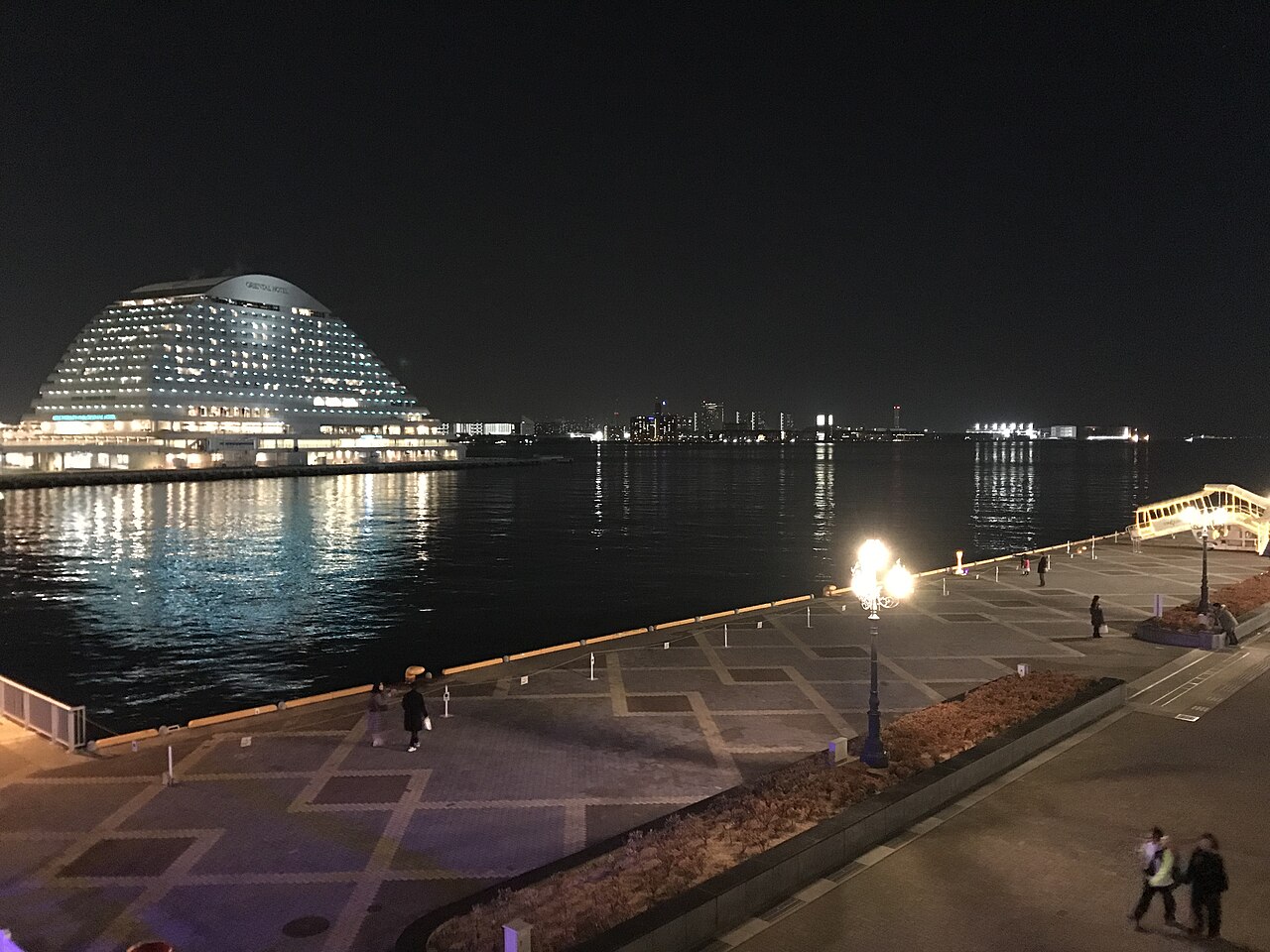
The museum is in the HAT Kobe area on the waterfront, reached by a short walk from the Iwaya or Nada areas by train and a pleasant waterfront stroll. It is closed one weekday each week and on some holidays, so check before you go. It is accessible, calm and better in the morning, and it pairs naturally with a visit to the nearby waterfront or the sake breweries of Nada, which lie a short train ride along the coast.
Speak quietly, follow any photography rules posted at the entrance and allow time afterward to sit and reflect.
For many travelers, this is the visit that gives the rest of Kobe its meaning. Many visitors find it helpful to pair the visit with something gentle afterward, such as a walk along the waterfront or a quiet lunch, rather than rushing to the next sight. If you are traveling with teenagers, the preparedness section is a good place to start a conversation about what to do in an emergency, and the staff and volunteers are often happy to answer questions about the city's recovery.
What to expect
The experience
A guided visit to the waterfront museum on the 1995 earthquake, with an immersive recreation, survivor stories, rebuilding exhibits and disaster-preparedness lessons.
Best time
Mornings, when the museum is calm; weekdays are quietest.
How long
Two to three hours with a guide; two hours independently.
Tips
Be prepared for an emotional visit, check the weekly closing day and know that the immersive section may upset young children.
Quick picks
- Best for
- Travelers who want to understand how the 1995 earthquake shaped modern Kobe.
- Families
- Suitable for older children and teenagers; the immersive section can be frightening for the very young.
- Couples
- A thoughtful, quiet half day rather than a romantic one.
- Pair with
- The Nada sake breweries nearby or the Luminarie in December.
- Time needed
- Half a day with travel.
Good questions
What happened in the 1995 Kobe earthquake?+
A powerful earthquake struck early on 17 January 1995, killing more than six thousand people and destroying homes, roads and parts of the port. The museum tells the story of the disaster and the recovery.
Is the museum suitable for children?+
It is best for older children and teenagers. The immersive recreation of the quake and some exhibits can be upsetting for young ones.
Is a guided tour worth it?+
Yes, if you want context. A guide connects the exhibits to the rebuilt city, answers questions and helps you take in the many layers of the story.
How long does a visit take?+
Allow two to three hours with a guide, or about two hours on your own.
How do I get there?+
The museum is in the HAT Kobe waterfront district, reached by train to the Iwaya or Nada area and a short walk. Check the weekly closing day before you go.