Komodo has a tropical climate with a clear dry season and a wet season, and the timing affects the sea conditions, the scenery and the crowds. The right time depends on what you want to see and how flexible you can be.
The dry season
From roughly April to November, the weather is mostly dry and sunny, the seas are calmer on most days and the water is clearer. This is the best window for boat trips, snorkeling and liveaboards. The landscapes are drier and browner in the later months, with the savanna on Padar and Rinca turning golden. Days are hot, and the sun is strong, so sun protection is essential.
The peak months
July and August are the busiest, with the most visitors and the highest demand for boats and hotels. Book early, expect busy viewpoints and accept that popular stops will be shared. If you can travel in April to June or in September and October, you will find calmer seas and fewer crowds.
The wet season
From roughly December to March, rain is more frequent and the seas can be rougher. Operators may cancel trips for safety, and visibility in the water is lower. The upside is that the islands are greener, the crowds are thinner and prices are lower. Treat the wet season as a time for flexible plans, and keep spare days in your schedule.
The dragons
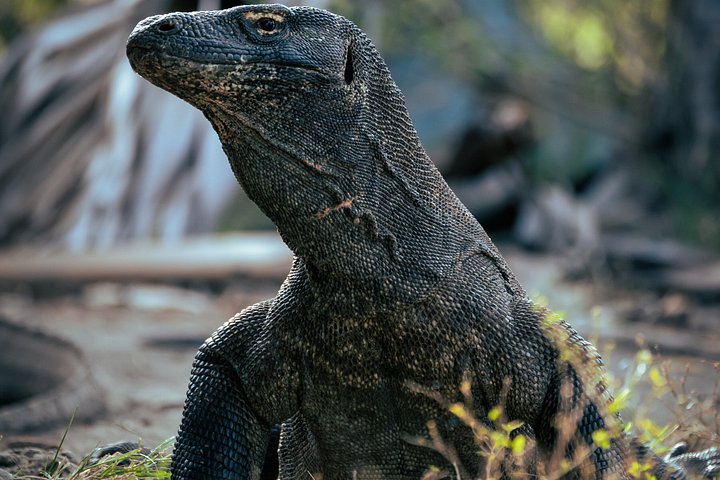
Komodo dragons can be seen all year. They are usually more active in the cooler early morning hours, and in the dry season they tend to stay near water holes and shade. Mating and nesting seasons affect behavior, but sightings do not depend on the month the way the sea does. A ranger-led walk in the morning is the best bet at any time.
Snorkeling and diving
Visibility is often best in the dry season, but conditions vary by site and tide. Currents can be strong, particularly around sites such as Manta Point, and conditions change with the moon. Ask your operator about the best time of day for each site, and follow the guide on where to swim.
Sunrise, sunset and the flying foxes
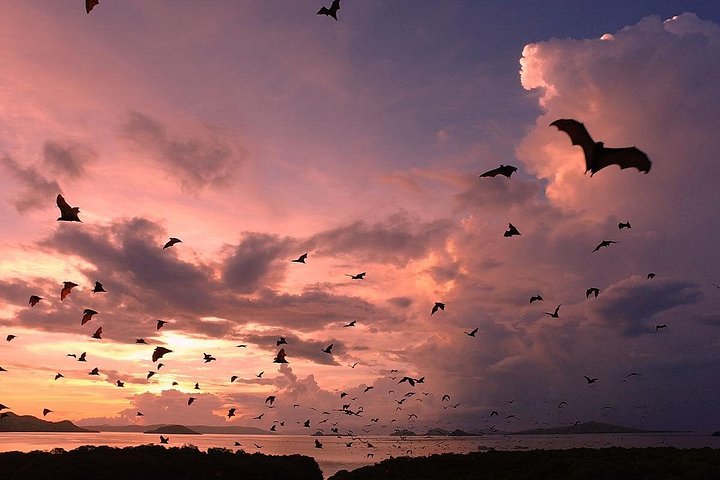
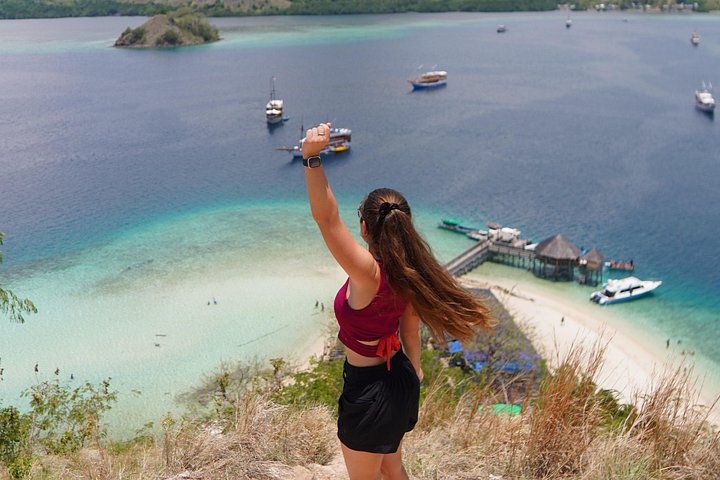
The sun rises and sets at similar times through the year because Labuan Bajo is close to the equator. Clear skies are most common in the dry season, which gives the best chance of a good sunrise at the Padar viewpoint and a good sunset at Bukit Cinta or Kalong Island. The flying foxes leave their roost at dusk all year.
Land trips
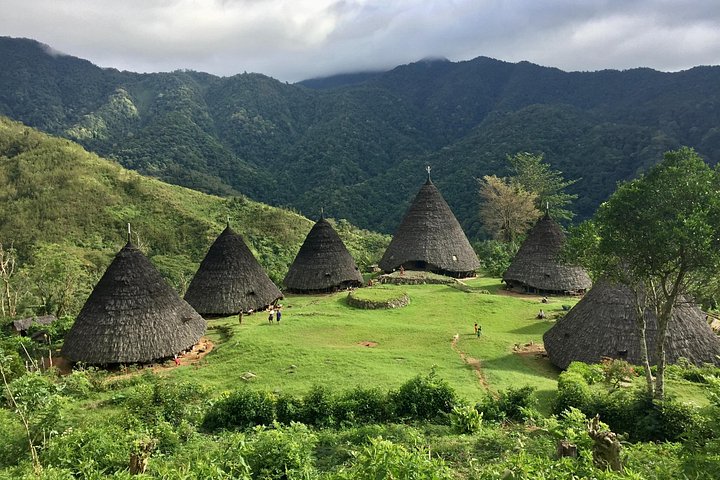
Wae Rebo, the spiderweb fields and Kelimutu are affected by rain more than the sea trips. Trails and roads can be slippery in the wet season, and clouds can hide the views. The dry season is easier, though mist is common in the mountains at any time of year.
How to plan around the weather
Book flexible tickets if you can, keep a spare day in your schedule and ask operators about their rebooking policies. Choose a hotel with a good indoor space for days when rain keeps you in, and bring a light rain layer even in the dry season. If you have only one chance to visit, the dry season outside the peak months is the best compromise.
Heat and clothing
Labuan Bajo is hot all year, with daytime temperatures that feel higher in the sun. Light, breathable clothes, a wide-brimmed hat and sunglasses make long boat days comfortable. Evenings on the water can be breezy, so a thin layer is useful, and mountain trips such as Wae Rebo or Kelimutu are much colder at night and at dawn. In the wet season, bring a light waterproof jacket and quick-dry clothes.
Festivals and holidays
Indonesian and international holidays bring more domestic visitors, and boats and hotels can fill quickly around them. Check the calendar before you book, and consider traveling just before or after a holiday period to avoid the rush.
A simple rule
For calm seas and clear water, go from April to November. For fewer crowds, aim for April to June or September to October. For the lowest prices and greenest scenery, accept the risk of the wet season. Whatever the month, start your boat trips early, because mornings are usually calmer than afternoons.