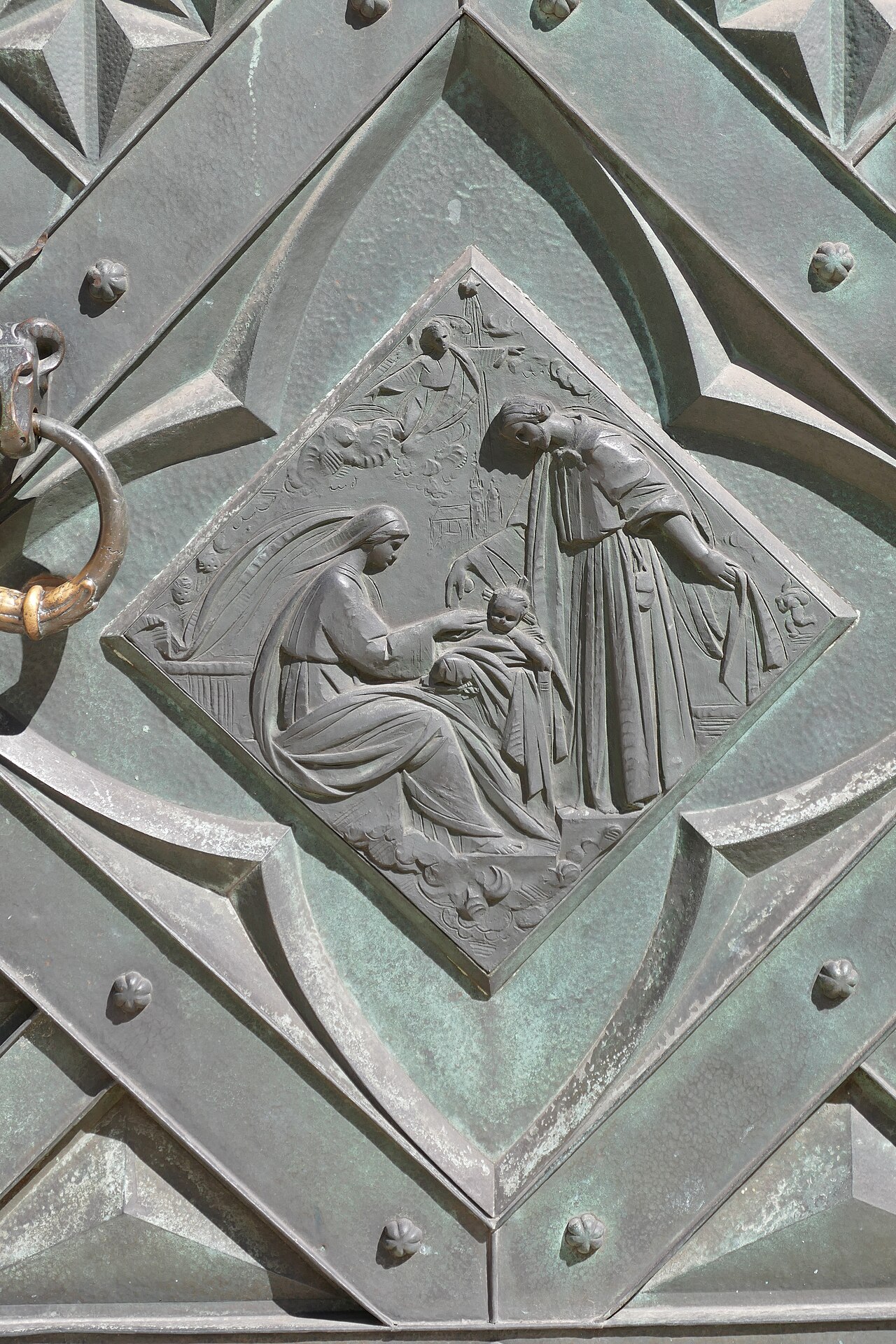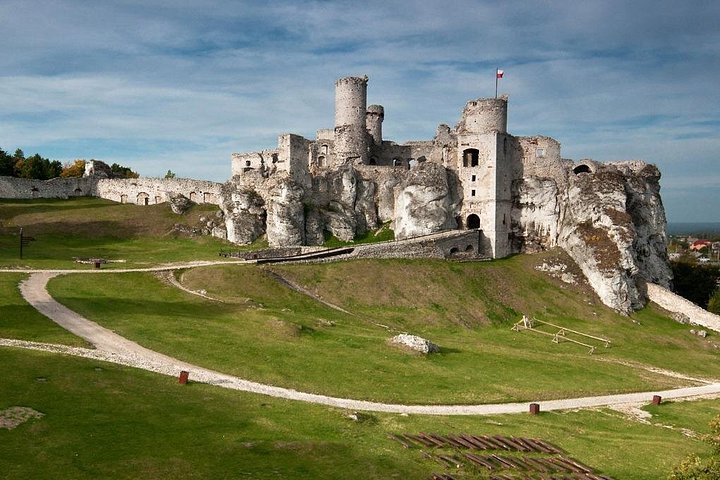
Jasna Góra, the Bright Mount at Częstochowa, is the spiritual capital of Poland. Since the fourteenth century the Pauline monastery on the hill has housed the Black Madonna, an icon of the Virgin and Child said to have been painted by Saint Luke, which is credited by Poles with saving the monastery during the Swedish siege in the seventeenth century and which draws pilgrims in huge numbers every year. For visitors, the monastery is both a religious sanctuary and a museum of national history, with a baroque basilica, a chapel built around the icon, a treasury of votive offerings, an arsenal, a library and fortified walls and ramparts that recall its role as a stronghold. Day trips run from Kraków in about two hours each way, and most tours include time in the chapel, the museum spaces and the monastery grounds with a guide who explains what you are seeing.
This is a working sacred place, not only a sight. Services take place throughout the day, pilgrims kneel, sing and pray in the chapel, and the atmosphere can be intense, particularly on feast days and weekends. Dress modestly, with covered shoulders and knees, keep voices low, and follow the signs about photography, which is restricted in some areas. The icon is shown and veiled in a ceremony at set times each day, a moment many visitors find memorable even if they are not religious.
Practical points
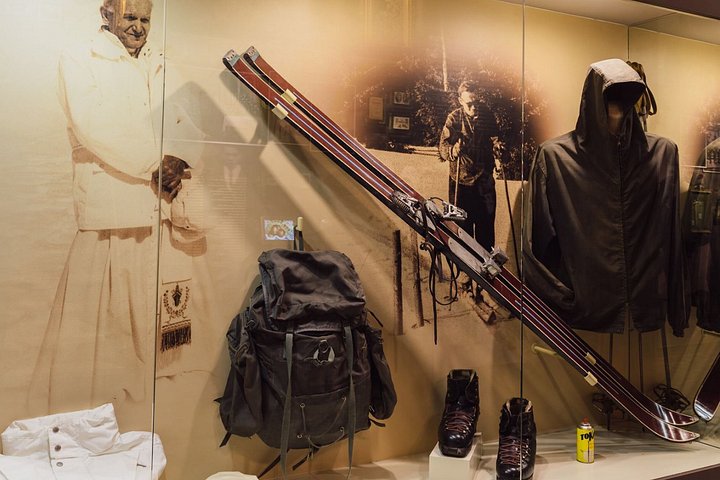
Weekends, religious holidays and the late summer pilgrimage season bring crowds from across Poland, so a weekday visit is calmer. Some tours combine Częstochowa with Wadowice, the birthplace of Pope John Paul II, or with the shrine at Łagiewniki in Kraków, which makes for a full day of pilgrimage history. If you only want the monastery, a half-day private option is possible, but a group tour is usually the simplest way to see it with context.
Who it suits
Pilgrims and travellers interested in Polish Catholicism, history and baroque art. It is a quieter and more cultural alternative to the salt mines or the mountains, and it helps explain the central role the Church has played in Polish identity. Families can go, but the monastery is best for older children who can behave respectfully during services.
Planning notes
The monastery's history is bound up with Poland's own. The sixteen-hundreds siege by Swedish forces, which the defenders survived against the odds, became a national legend, and in later centuries the sanctuary stood as a symbol of resistance under partition and communism. The treasury holds votive gifts from kings, soldiers and ordinary pilgrims, including rosaries, medals and offerings of gratitude, and the monastery library contains valuable manuscripts. The tower offers a view over the city and the surrounding plain for those willing to climb.
Visitors sometimes underestimate the size of the complex, so ask your guide which areas you will see and how much free time you have. If you enjoy pilgrimage sites, the biggest annual gatherings are in the summer, and the days around the mid-August feast are exceptionally crowded, so reserve early or choose a different date. Finally, bring a light scarf or jacket, because the stone interiors can be cool even on warm days. Ask your guide when the next unveiling of the icon takes place so that you can plan your time around it.
What to expect
The experience
A guided day trip from Kraków to the Jasna Góra monastery, with time in the chapel of the Black Madonna and the surrounding museums and ramparts.
Best time
A weekday morning, when there are fewer pilgrim groups.
How long
About two hours each way plus three to four hours at the monastery.
Tips
Dress modestly, keep quiet in the chapel, and follow the photography signs.
Quick picks
- Best for
- Travellers curious about Polish faith, history and pilgrimage.
- Families
- Good for older children who can be quiet during services.
- Couples
- A thoughtful day trip that pairs well with a lighter day in the Old Town.
- Pair with
- Wadowice and the John Paul II story, or the sanctuary at Łagiewniki.
- Time needed
- A full day.
Good questions
What is the Black Madonna?+
A revered icon of the Virgin and Child kept at Jasna Góra, one of the most visited religious images in Poland.
How far is Częstochowa from Kraków?+
About two hours by road, so day tours take most of a day.
What should I wear?+
Cover your shoulders and knees, and wear comfortable shoes. The monastery is an active place of worship.
Can I take photographs?+
Photography is allowed in some areas and restricted in others, especially near the icon. Follow the signs.
Can I visit during services?+
Yes, but the chapel is crowded and quiet behaviour is expected. The icon is unveiled at set times each day.