Pierogi are the dish most travellers remember from Poland, and a cooking class lets you learn to make them rather than only eat them. In a small group in a central kitchen, a local cook walks you through the whole process: mixing and resting the dough, rolling it thin, cutting rounds, spooning in fillings such as potato and cheese, meat or cabbage and mushrooms, then sealing each dumpling with a firm crimp so it holds together in the pot. Classes usually add a sweet version, often with seasonal fruit, and finish with a shared meal of everything you have made, often with a drink. Along the way the instructor shares tips on regional variations, how Poles eat pierogi at home and during holidays, and how to reproduce the dishes when you get back home.
The experience is hands-on but relaxed, with no cooking skills required, and it makes a pleasant change from sightseeing. Expect to stand at a counter for a couple of hours, work in small teams and get flour on your sleeves. Aprons and ingredients are provided, and the instructor usually shares the recipes afterwards so that you can repeat them at home. Because the dough has to rest and the fillings have to be prepared, classes run to a clear schedule, so arrive on time.
Practical points
Tell the host about allergies and dietary preferences when booking, since the fillings often include dairy, eggs and gluten. Vegetarian classes are common because the traditional ruskie filling of potato and cheese is meatless. Classes are usually held in the afternoon or evening, which makes them a good activity after a morning of sightseeing or on a rainy day. Wine or beer may be available, and some hosts offer a non-alcoholic option.
Who it suits
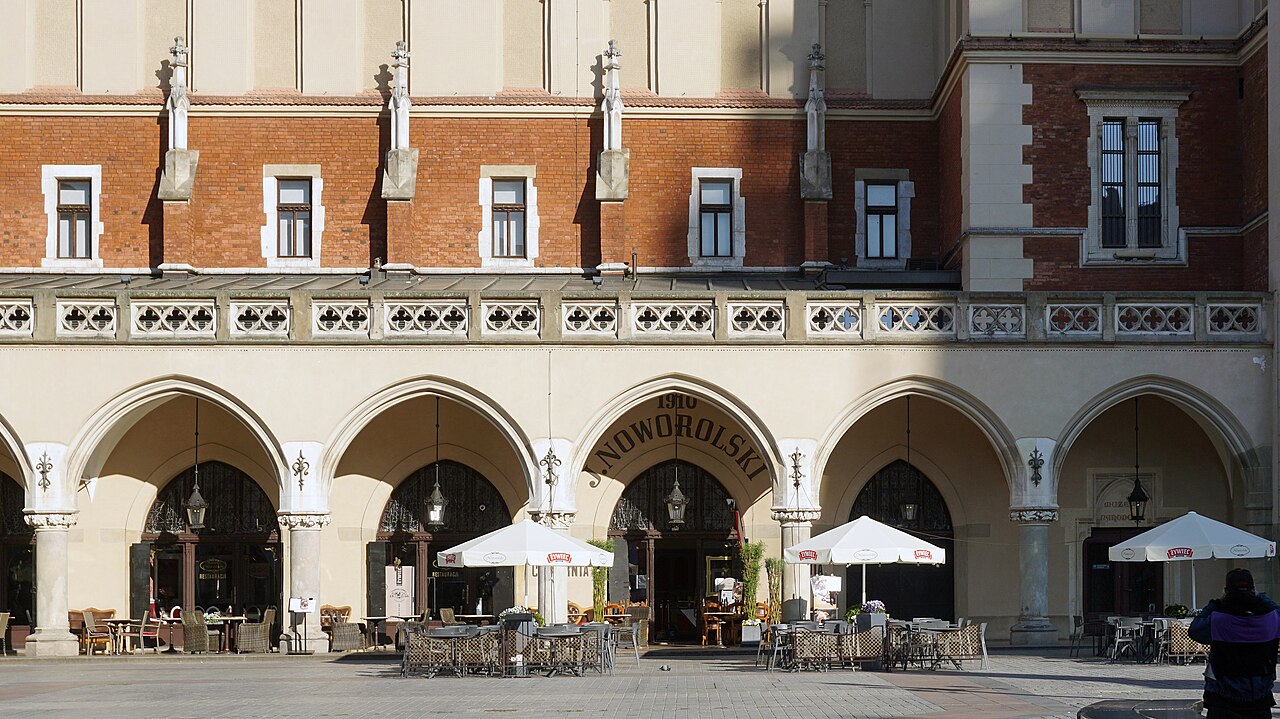
Couples, families with older children, small groups of friends and solo travellers who want an easy way to meet people. It pairs naturally with the food tour for a full day of eating, or with a visit to the Rynek Underground, where the medieval market gives a sense of where Kraków's food traditions began. If you prefer to watch rather than cook, a restaurant meal in Kazimierz is the simpler alternative.
Planning notes
Pierogi come in many shapes and fillings, and a good instructor will explain the regional logic. The classic ruskie with potato, curd cheese and onion is not Russian despite the name, but refers to the old Rus lands of southeastern Poland. Meat filled dumplings are a holiday staple, cabbage and mushroom ones appear at Christmas Eve, and sweet versions with blueberries, strawberries or cherries are a summer treat.
The dough is simple, flour, water and a little oil or egg, but the technique of rolling and crimping takes practice, and the instructor will correct your technique.
Boiling is the standard method, though pierogi can also be fried in butter with onions for a crisp finish. After the class, you can find ingredients such as flour and curd cheese in supermarkets, and many travellers buy a pierogi cutter or a rolling pin as a souvenir. Classes tend to fill quickly on weekends, so reserve early. Ask whether the class can be adapted for gluten-free diets, because gluten-free dough behaves differently and needs notice.
What to expect
The experience
A small-group, hands-on class making pierogi from scratch, followed by a shared meal.
Best time
Afternoon or early evening, so that the meal doubles as dinner.
How long
Roughly two to three hours including eating.
Tips
Arrive on time, wear clothes you do not mind getting floury, and mention dietary needs in advance.
Quick picks
- Best for
- Hands-on travellers who want to take a skill home.
- Families
- Good for older children who like cooking and do not mind messy fingers.
- Couples
- A fun and sociable evening that ends with dinner.
- Pair with
- The food tour, or a wander around Kazimierz afterwards.
- Time needed
- Two to three hours.
Good questions
Do I need cooking experience?+
No. The instructor guides every step, and classes are designed for beginners.
What fillings will I make?+
Usually a savoury filling such as potato and cheese, meat or cabbage and mushroom, plus a sweet option.
Do I eat what I make?+
Yes, the class normally ends with a shared meal of the pierogi you have prepared.
Can vegetarians take part?+
Yes. Vegetarian fillings are common; mention any other needs when you book.
Will I get the recipes?+
Instructors commonly share the recipes so you can repeat them at home.