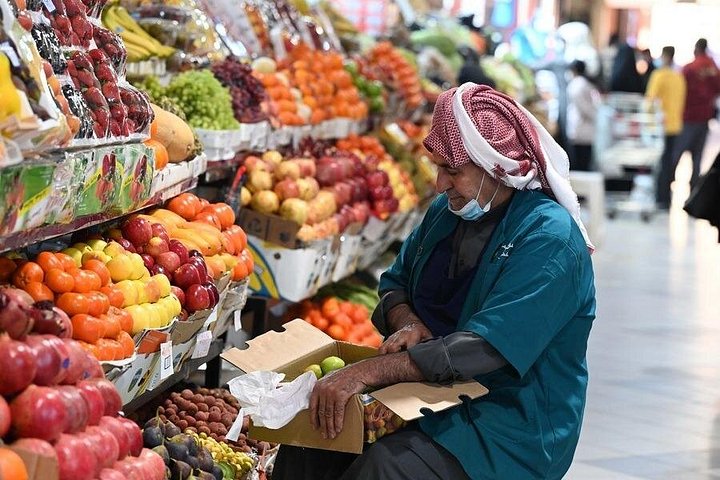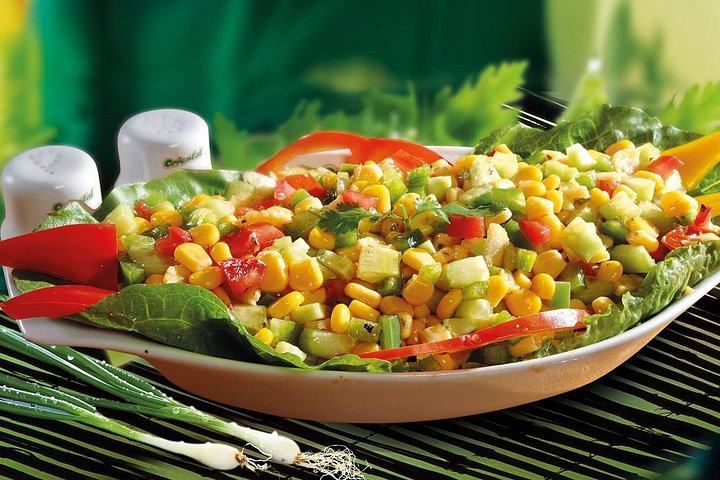
Kuwaiti cooking reflects the Gulf's position between the desert, the sea and the trade routes of the Indian Ocean. Rice, fish and lamb form the backbone, seasoned with cardamom, saffron, dried limes and turmeric, and many dishes show Persian, Indian and Arab influences. A food tour is the easiest way to taste the range. Typical stops include places serving machboos, the spiced rice dish with meat or fish, grilled fish and shrimp, fresh bread, dates, sweets such as halwa and luqaimat, and sweet tea or Arabic coffee. A guide explains the dishes, the customs of hospitality and the etiquette of eating, which adds a lot to the experience. The tour is a relaxed way to meet local food culture and to build a list of places to return to.
Check the itinerary, the number of tastings and the start time when booking. Mention dietary needs, allergies and preferences in advance; alcohol is not served in Kuwait, and pork is not part of the local cuisine, so choices lean towards meat, fish and vegetarian dishes. Eating is often done with the right hand, and sharing is common.\n\nArrive hungry and wear comfortable shoes. Expect a mix of walking and sitting, with stops in different neighbourhoods.
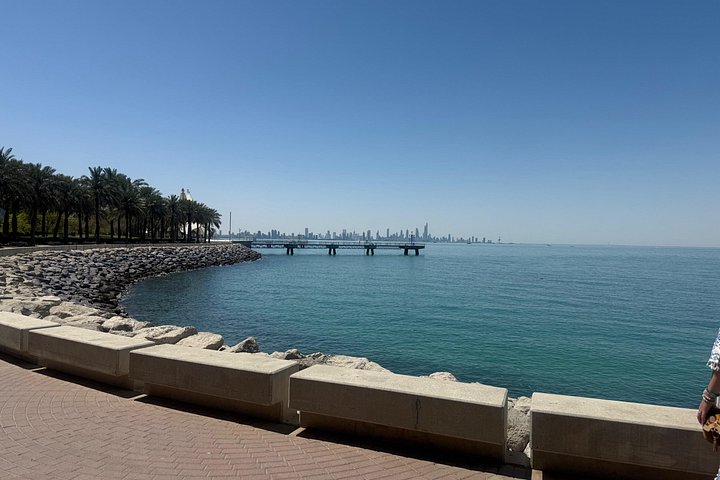
The best time is late afternoon into evening, when the markets are lively and restaurants are open. During Ramadan, daytime eating is restricted in public, and tours may run after sunset; check with the operator. The tour pairs well with the souq and a walk on the waterfront. Compared with a private food tour, a shared tour is more affordable. Compared with simply eating out, it adds guidance and access.
Tipping is customary. If you enjoy local cooking, ask the guide for restaurant recommendations for the rest of your stay, and consider ending the day with Arabic coffee and dates. It is a pleasant, low-effort way to learn about Kuwait through its table, and it is a strong choice for solo travellers who want company and for couples who want an easy, shared activity.\n\nKuwaiti hospitality is a large part of the food story, so expect to be offered more than you planned to eat, and do not be shy about saying you are full.
Dates and Arabic coffee are traditionally offered to guests at the start, and a small cup is enough; shake the cup gently to signal that you have had enough. If you enjoy a dish, tell the guide, who can point you to where to find it again. Many food tour guests also ask for recipes, and local hosts are usually happy to share the basics of machboos spice blends.
What to expect
The experience
A guided tasting tour of Kuwaiti dishes, sweets and coffee.
Best time
Late afternoon to evening.
How long
Several hours; confirm with the operator.
Tips
Arrive hungry. Mention dietary needs when booking. Check Ramadan arrangements.
Quick picks
- Best for
- Food lovers and curious first-timers.
- Families
- Fine for older children who enjoy tasting.
- Couples
- A relaxed shared experience.
- Pair with
- The souq or the waterfront.
- Time needed
- Three to four hours.
Good questions
What will I taste?+
Dishes such as machboos, grilled fish, bread, dates and sweets, plus tea or coffee.
Can it handle dietary needs?+
Mention them in advance; vegetarian options are possible.
Is alcohol served?+
No, alcohol is not served in Kuwait.
What about Ramadan?+
Public daytime eating is restricted, so tours may run after sunset.
Should I tip?+
Gratuity is customary.