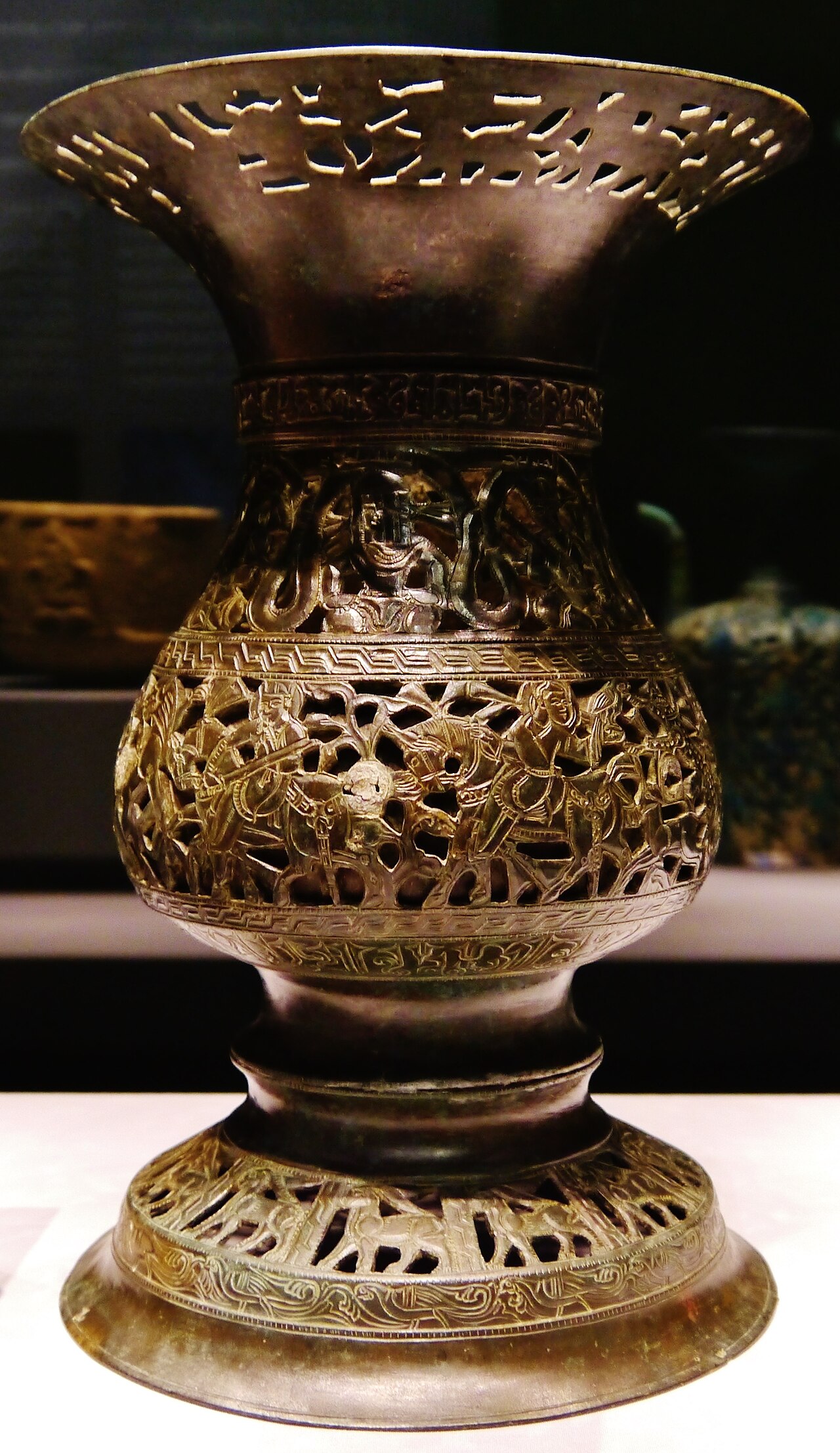
The Tareq Rajab Museum is one of the great hidden collections of the Middle East. Founded by Tareq Rajab and his wife, it began as a private passion for collecting and grew into a museum of thousands of objects covering the Islamic world from Spain to India. Displays move through manuscripts and calligraphy, ceramics, metalwork, arms and armour, jewellery, costume and textiles, and musical instruments, arranged in a house setting with galleries on several levels. The calligraphy collection is a particular strength, with examples showing the range of scripts and the way the written word became the central art form of Islamic culture. The museum is intimate rather than monumental: rooms are crowded with objects, and each case rewards slow looking. For a visitor wanting to understand the artistic traditions behind the mosques, souqs and traditions of the Gulf, it is the best single place in Kuwait to start.
Practicalities matter, because this is a small private institution rather than a large public museum. Opening hours are limited and change with the season, so check before going and plan a morning or early afternoon visit. Some visitors take a guided tour, which is a good way to appreciate the stories behind individual pieces, and short guided tours that include this museum are available for those with limited time.
Photography rules vary by gallery, so ask at the entrance. \n\nAllow around ninety minutes. The museum rewards visitors who pick a theme: costume and jewellery for the history of dress, manuscripts for the history of writing, or ceramics for the long story of trade between East and West. Because the collection spans so many places and periods, a quick orientation at the start helps.
The setting, in a residential area away from the waterfront, makes it a quiet contrast to the souq and the towers, and a good choice for the hottest part of the day. Pair it with Bait Al Othman, Dar Al Athar Al Islamiyyah or a lunch in the neighbourhood. The museum is small enough to see without exhaustion and rich enough to repay a second visit.
Dress modestly, move slowly and keep a respectful voice, as many objects are fragile and some are sacred. If you are interested in craft, design or the history of the Islamic world, this is a highlight of any Kuwait itinerary, and for most visitors it is the surprise of the trip.
What to expect
The experience
A house museum of Islamic art, with galleries of manuscripts, ceramics, metalwork, jewellery, costume and textiles.
Best time
Morning or early afternoon, within the museum's limited hours; a good midday indoor stop in summer.
How long
About ninety minutes.
Tips
Check opening hours before you go. Ask about photography. Pick a theme such as calligraphy or costume to focus your visit.
Quick picks
- Best for
- Art, craft and history lovers.
- Families
- Better for older children with an interest in objects and history.
- Couples
- Quiet, absorbing and rarely crowded.
- Pair with
- Dar Al Athar Al Islamiyyah or a guided museums tour.
- Time needed
- Ninety minutes.
Good questions
What is in the collection?+
Islamic manuscripts and calligraphy, ceramics, metalwork, arms, jewellery, costume, textiles and musical instruments.
Are opening hours limited?+
Yes, it is a private museum with restricted hours. Check before going.
Can I take photos?+
Rules vary by gallery; ask at the entrance.
How long should I allow?+
About ninety minutes.
Is there a guided option?+
Yes, guided museum tours that include it are available.