FreeKyoto's most famous image: thousands of vermilion torii gates tunneling up the forested slopes of Mount Inari, guarded by stone foxes. The head shrine of some 40,000 Inari shrines across Japan, free and open around the clock — magical at dawn, crowded by mid-morning.
The wooden stage that hangs over a forested ravine, built without a single nail, with all of Kyoto spread below. A UNESCO-listed temple founded at a sacred waterfall more than 1,200 years ago, reached through the old lanes of Sannenzaka and Ninenzaka.
A three-story pavilion covered in gold leaf, floating on its mirror pond against a backdrop of pines — Kyoto's most dazzling single view. Built as a shogun's retirement villa, burned by a monk in 1950, rebuilt in 1955 and more radiant than ever. Small fee, open daily.
FreeTowering green stalks that creak and sway over a narrow path, a UNESCO-listed Zen garden next door, the Togetsukyo bridge over the river and mountains blazing red in autumn. Kyoto's western playground — free to walk, unforgettable at sunrise.
The shoguns' Kyoto residence, where Tokugawa power began and ended — gilded screen paintings, squeaking "nightingale floors" built to betray intruders, stone walls, moats and gardens. UNESCO-listed, central and best seen with a guide who can decode the rooms.
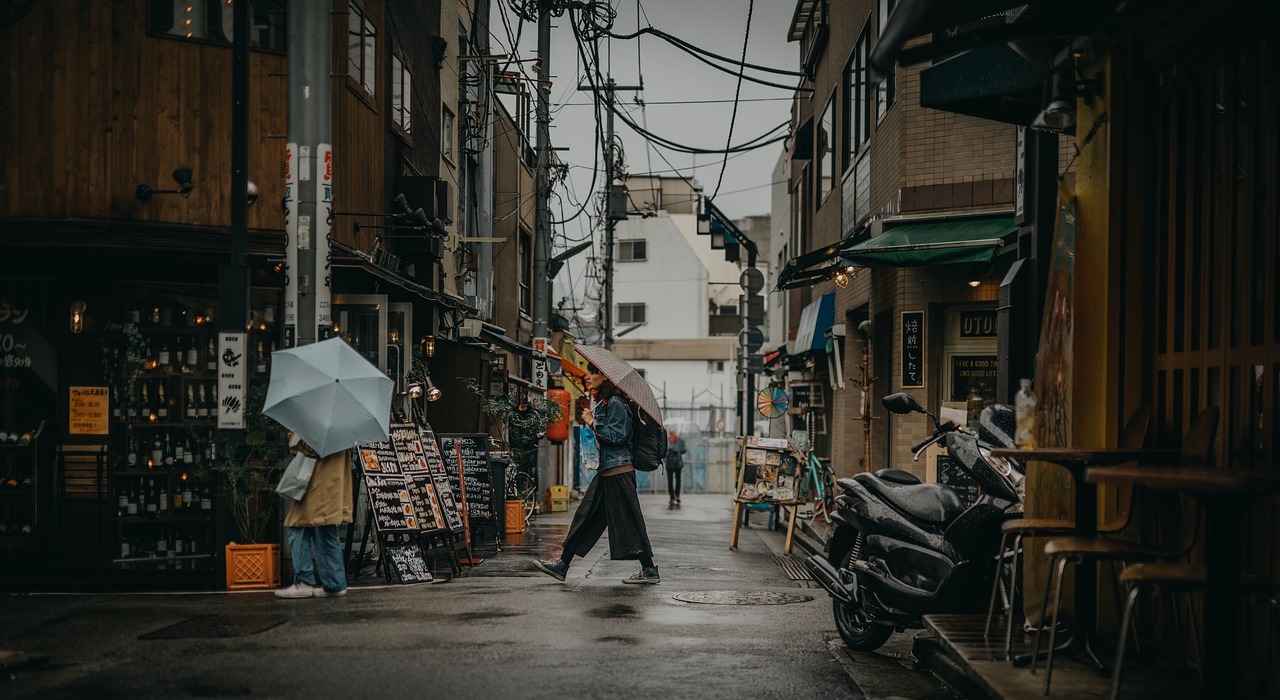
FreeKyoto's geisha district: wooden teahouses with bamboo blinds, lanterns over the Shirakawa canal, Yasaka Shrine glowing at the end of Shijo-dori and, if you are lucky, a maiko hurrying to an appointment. Free to walk — but the private alleys are now off-limits.
Free"Kyoto's Kitchen": a narrow, covered 400-meter lane of more than a hundred stalls selling pickles, tofu, dashi rolls, tea, knives and grilled seafood on sticks. Free to wander, delicious to graze — just eat where you buy, not on the move.
A canal-side stone path lined with cherry trees, linking the Silver Pavilion's sand gardens to a string of quiet temples at the foot of the eastern hills. The gentlest walk in Kyoto — glorious in cherry and maple season, peaceful the rest of the year.
A 120-meter hall, the longest wooden building in the world, holding 1,001 gilded statues of Kannon in silent ranks — one of the most overwhelming sights in Japan. A short walk from Kyoto Station, modest fee, and almost never as crowded as it deserves.
Japan's first permanent capital, under an hour from Kyoto: a giant bronze Buddha in one of the world's largest wooden halls, a thousand-plus bowing deer roaming Nara Park, and lantern-lined Kasuga Taisha in the forest. The essential Kyoto day trip, easy by Kintetsu rail.
Kneel on tatami in a century-old machiya, watch a tea master prepare matcha with ritual precision, then whisk your own bowl. A calm, 45-minute introduction to the ceremony Kyoto perfected — the most meaningful hour you can book in the city.
Japan's samurai-movie backlot, reborn in 2026 as an immersive Edo-period town: live dramas staged in the streets, ninja shows, sword training, tea and flower arranging by day, and new after-dark entertainment until 9pm. Still a working film set.