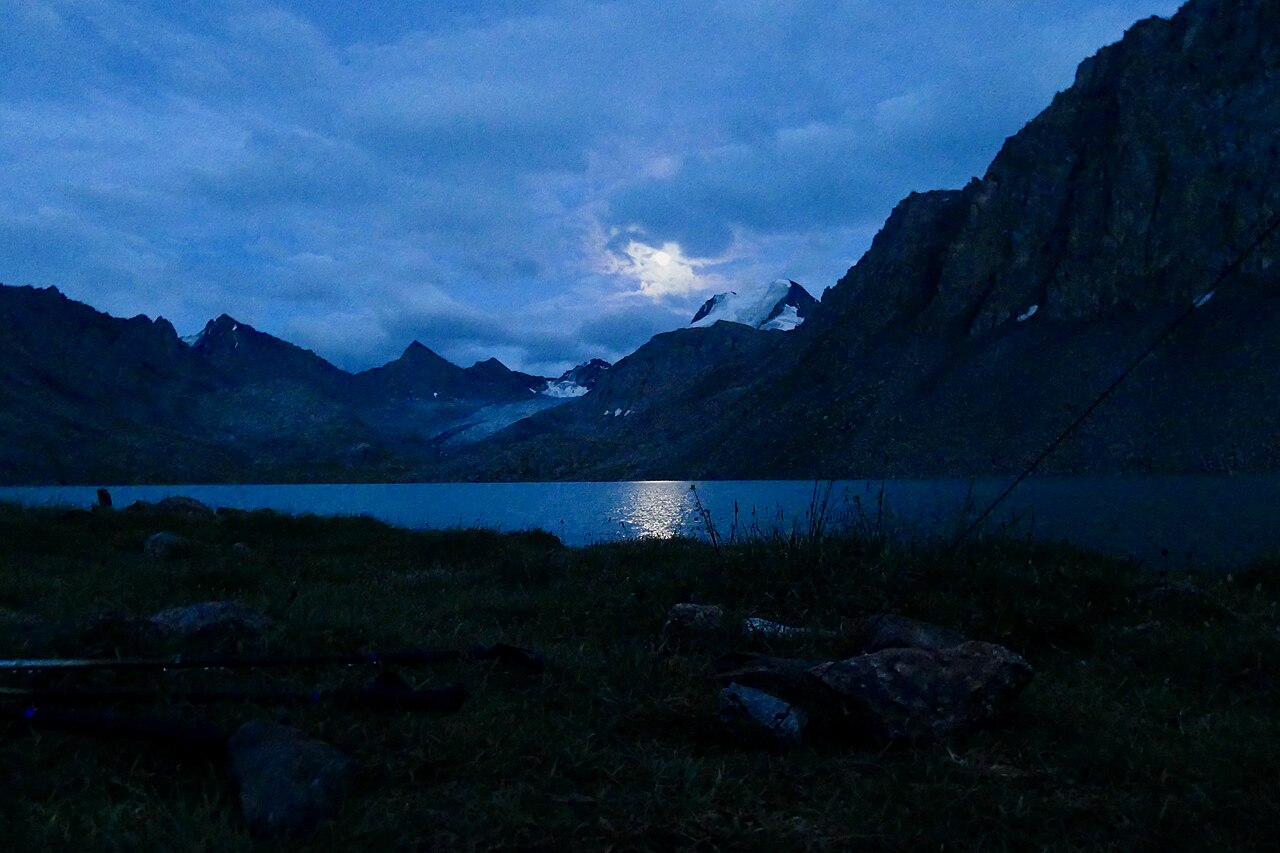
Ala Kul is the lake that fills Kyrgyz trekking photographs: a deep turquoise bowl at around three and a half thousand metres, ringed by jagged peaks and hanging glaciers. Reaching it is a serious but rewarding mountain walk. The classic route starts near Karakol, climbs to Altyn Arashan, then rises to Ala Kul and crosses a high pass before dropping into another valley. The tour linked here is a guided trek to Ala Kul in the Tian Shan, which handles logistics, camping or hut stays and the navigation that is essential in high, remote terrain.
The trek is demanding. Expect long days, steep ascents and a high pass that can be snowy and slippery even in summer. The pass is the crux, with a steep, loose scree climb followed by a rocky descent, and it is best crossed in good weather and with confidence.
Altitude is a real factor, and trekkers should be fit, acclimatised and ready to turn back if conditions worsen. A guide knows the route, watches the weather and makes decisions about timing and safety, which is why guided trips are popular. Check the exact itinerary, day length and accommodation on the product page.
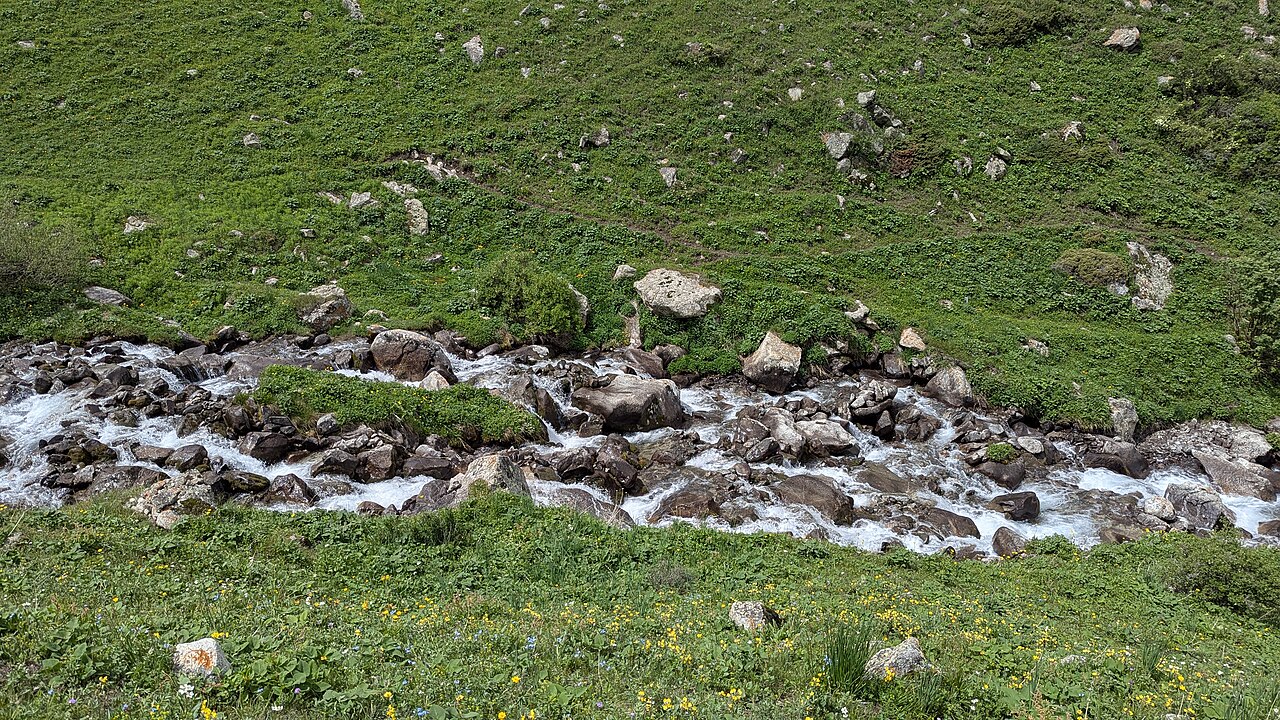
The scenery is the reward. Meadows of wildflowers, pine forest, rushing streams and sudden views of glaciers make every day varied. Ala Kul itself shines in clear sun, and the contrast of turquoise water and white ice is unforgettable. Wildlife includes marmots and birds, and herders sometimes bring livestock to high pastures in summer. Nights are cold, so a good sleeping bag and warm layers are essential, and tents or huts are basic. Summer, from July to early September, is the best season, with snow often blocking the pass in other months.
Prepare carefully. Bring broken-in boots, waterproofs, a warm hat and gloves, sun protection, a head torch, trekking poles and a first aid kit. Pack light but have spare layers, since weather changes fast. Travel insurance that covers trekking at altitude is wise, and you should check any permit requirements for the area in advance. Cell coverage is limited, so tell someone your plan. Hydrate well, eat regularly and keep a steady pace to manage the altitude. Guides carry safety equipment and know the signs of altitude sickness.
Many trekkers add a day or two in Karakol before and after the hike, using the old town and the cafes as a place to rest. Others combine the trek with Altyn Arashan hot springs as a gentle start or finish. If a multi-day trek feels too ambitious, consider a shorter day hike in the same mountains, or choose Altyn Arashan alone.
Whatever you pick, plan generous time, because bad weather can delay plans, and keep a buffer day if you have a flight to catch. A well-planned Ala Kul trek is the kind of experience that defines a trip to Kyrgyzstan.
Think about your fitness months in advance. Training with long hikes, stair climbs and loaded backpack walks makes the steep sections far more enjoyable. Break in boots early and test your gear on a weekend trip. On the trail, walk at a pace that lets you speak in full sentences, and take short, frequent breaks rather than long ones.
Respect the mountains
Turn back if the weather turns severe, and never push on through a pass in dangerous conditions. The lake will still be there another day, and your safety matters more than the summit of the pass.
What to expect
The experience
A guided multi-day trek from the Karakol area to the turquoise Ala Kul lake and over a high pass, with camping or basic hut stays.
Best time
July to early September for the safest conditions; snow can block the pass in other months.
How long
Typically three to four days, with long walking days and a high pass.
Tips
Bring broken-in boots, warm layers, waterproofs, poles and insurance that covers trekking at altitude.
Quick picks
- Best for
- Fit hikers who want one of the great treks in Central Asia.
- Families
- Not suitable for young children because of altitude, distances and the steep pass.
- Couples
- A shared challenge and a spectacular reward at the lake for adventurous couples.
- Pair with
- Altyn Arashan, Karakol old town and Issyk-Kul south shore.
- Time needed
- Allow four days plus a rest day each side in Karakol.
Good questions
How hard is the Ala Kul trek?+
It is demanding, with long days, altitude and a steep high pass. Good fitness and acclimatisation help.
When is the best time to do it?+
July to early September. Snow often blocks the pass at other times.
Do I need a guide?+
A guide is strongly recommended for navigation, weather decisions and safety on the pass.
Where do trekkers sleep?+
In tents or basic huts along the route, with cold nights even in summer.
What should I carry?+
Boots, waterproofs, warm layers, sun protection, a head torch, poles and a first aid kit.