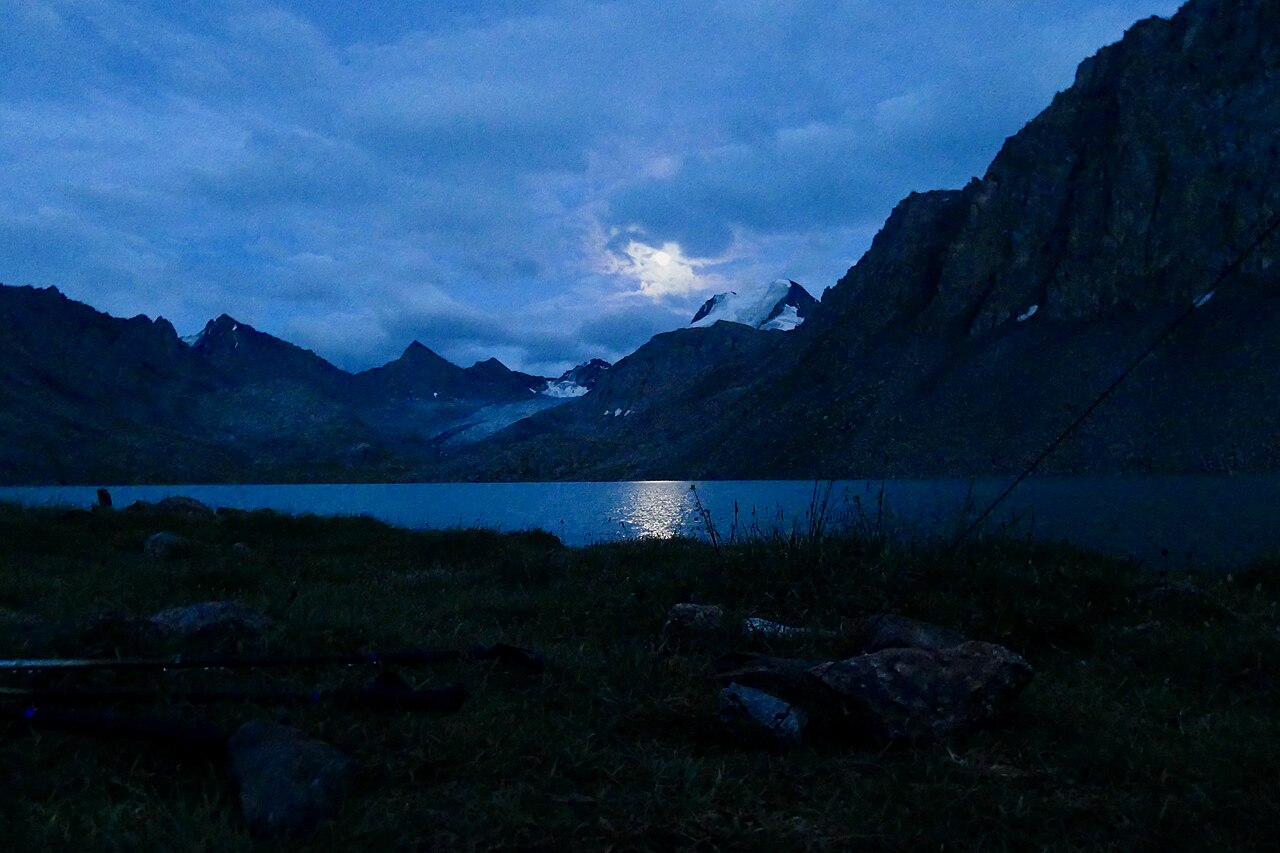
Issyk-Kul, whose name means warm lake, is the great blue heart of Kyrgyzstan. It lies in a high basin among the Tian Shan, more than a hundred and eighty kilometres long, with deep, slightly salty water that does not freeze even in hard winters. Soviet-era holidaymakers flocked to its shores, and today visitors come for beaches, hot springs, mountain views, canyons, eagle shows and nomad culture. The tour linked here is a one-day trip from Bishkek to the lake, which is enough for a first look but only a taste of what the lake and its surrounding valleys offer. Many travellers extend to an overnight or a circuit of several days.
The north shore is the easiest part to reach from the capital. Resort towns line the water with beaches, guesthouses and cafes, and in summer the shallows are warm enough for swimming. The south shore is wilder, with red-rock canyons, yurt camps and villages where eagle hunters keep ancient traditions.
Rather than racing round the whole lake, choose a stretch and enjoy it: lunch by the water, a short walk on the beach and a stop at a viewpoint can fill a day. Water temperatures are best from July to August, and many tours include time for a swim in the warm season.
Day tours from Bishkek usually take a couple of hours each way, so the lake time is limited. Plan an early start, bring a hat and sunscreen and pack swimwear in summer. Spring and autumn bring cooler air but clearer views of the snowy ranges across the lake, and winter has quiet beaches and a stark, beautiful atmosphere.
Since itineraries vary, check what the product includes, such as lunch, entrance fees and stops at canyons or ancient sites. If you want depth, consider a multi-day trip that includes Cholpon-Ata, the south shore canyons and Karakol, with overnight stays in guesthouses or yurts.
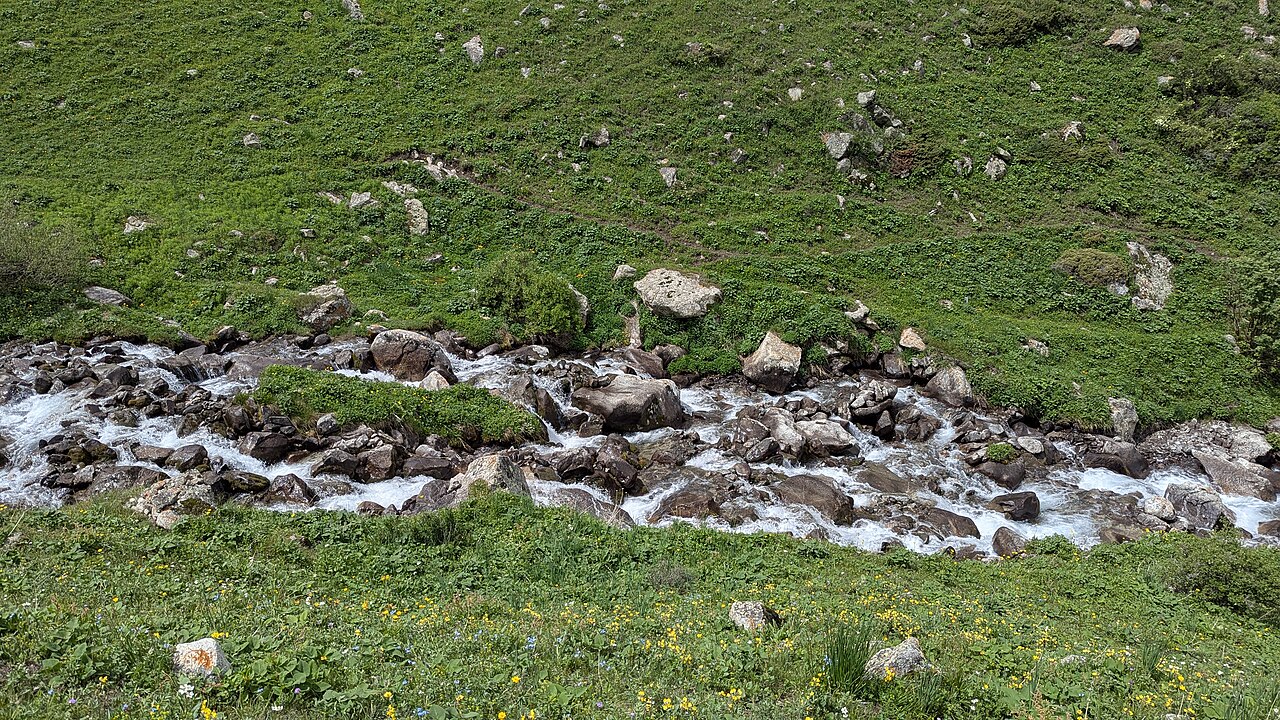
Beyond the shoreline, the area is rich with things to do. Hiking trails lead into side valleys, hot springs soothe tired legs, and cultural experiences include eagle shows, horse riding and yurt stays. The lake also links directly to other highlights in this guide: the petroglyphs at Cholpon-Ata, the Fairytale Canyon on the south shore, Karakol and Altyn Arashan to the east.
A day trip is a sampler, and many visitors say they wish they had stayed longer. Think of the lake as a base rather than a single sight, and choose a place to stay that fits your interests, from lively resorts to quiet villages.
Bring cash for entry fees, lunch and tips, because card acceptance outside the main resorts is limited. Roads are generally fine but can be slow with traffic in summer weekends, so allow buffer time for the return to Bishkek. If you are prone to motion sickness, take a seat near the front and carry water, as mountain roads wind.
Respect the environment by carrying out your rubbish and by asking before you photograph local people. A well-planned day gives you a swim, a view of the snowy ridges and a sense of why this lake has been a destination for generations.
One last piece of advice
Do not try to see everything. The lake is a huge place, and trying to cover the whole shore in a day leads to hours in a car and little time at the water. Choose one or two stops, such as a beach, a canyon or a village, and enjoy them properly. Ask your guide for the best swimming spots, since beaches differ in quality, and check the weather, because wind can make the water choppy and the afternoons cool.
What to expect
The experience
A one-day excursion from Bishkek to the Issyk-Kul shore, with lake views, a swim in summer and stops that depend on the itinerary.
Best time
July and August for swimming; spring and autumn for clear mountain views; winter for quiet, stark beauty.
How long
A full day of roughly ten to twelve hours including drives, or a multi-day trip for more depth.
Tips
Bring a hat, sunscreen and swimwear in summer, carry cash and allow buffer time for the drive back.
Quick picks
- Best for
- First-timers who want to see Kyrgyzstan's most famous lake in a single day.
- Families
- Beach time and easy stops make it a good family outing in summer.
- Couples
- Linger over a lakeside lunch and watch the light change on the snow peaks.
- Pair with
- Burana Tower, Cholpon-Ata petroglyphs and the south shore canyons.
- Time needed
- Allow a full day, or two to three days to explore properly.
Good questions
Why is it called the warm lake?+
Because the deep, slightly salty water rarely freezes even in winter, despite the surrounding mountains.
Can I swim in Issyk-Kul?+
Yes. July and August are the best months, when the shallows near the north shore are warm enough.
Is a day trip enough?+
It gives a taste, but the lake is large. Many visitors extend to an overnight or a multi-day circuit.
How long is the drive from Bishkek?+
A couple of hours each way to the north shore, depending on traffic and the exact stop.
What should I bring?+
Hat, sunscreen, swimwear in summer, layers, cash for fees and lunch, and water.