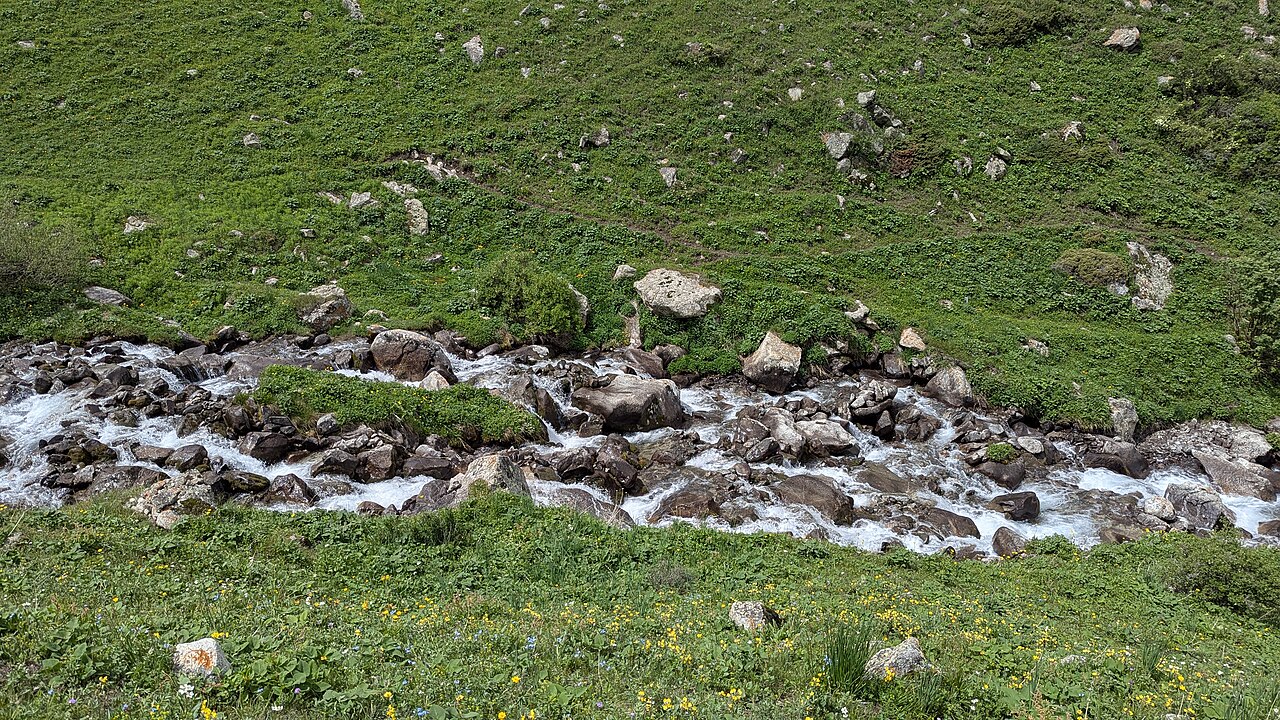
Kyrgyzstan is a mountain country of high lakes, alpine pastures, Silk Road ruins and living nomad traditions, and it rewards travellers who plan a little and then stay flexible. Most of the country lies in the Tian Shan and Pamir-Alay ranges, so roads wind, distances take longer than they look and weather changes quickly. The capital, Bishkek, is a green, relaxed city of Soviet-era boulevards and parks, and it makes a natural start and end to a trip. From there, day trips and multi-day journeys reach the lakes, canyons and valleys that define the country.
How many days
Five days is the minimum for a satisfying first visit: two in and around Bishkek, one day on Issyk-Kul, and two for a mountain experience such as Song-Kul or a hike. A week allows a good loop that includes the lake and Karakol, and ten days lets you add Osh, the Alay valley or a remote lake such as Kel Suu. If you only have a long weekend, base yourself in Bishkek and do Ala Archa, Burana Tower and a city walk, then plan a return for the lakes and high country.
What to book ahead
Yurt camps at Song-Kul, huts at Altyn Arashan and guesthouses in Karakol fill up in July and August, and the border permit for Kel Suu has to be arranged through an operator in advance. Guided treks such as the Ala Kul route also benefit from early planning. For day trips from Bishkek, such as Ala Archa, Chunkurchak or Burana Tower, booking a few days ahead is usually enough, and a small-group or private tour with pickup removes the hassle of finding a taxi and negotiating a price.
Getting around
Taxis and ride-hailing apps are cheap and easy in Bishkek, and shared minibuses called marshrutkas link towns at low cost but are slower and less comfortable. For the mountains and lakes, most visitors use a tour or a hired car with a driver, since public transport to remote areas is limited and tracks can be rough. The road around Issyk-Kul is paved and straightforward, while routes to Song-Kul, Altyn Arashan and the Alay valley need a 4x4. Domestic flights connect Bishkek and Osh, which saves a long road journey.
Money and communication
The local currency is the som. Cards work in hotels and many restaurants in Bishkek, but outside the capital you will need cash for guesthouses, cafes, entry fees and tips, and cash machines are scarce in remote areas. Kyrgyz and Russian are widely spoken, with some English in tourism. A local SIM or eSIM is inexpensive and helps with maps and ride-hailing, but signal disappears in the mountains, so download offline maps. Learn a few words of Russian or Kyrgyz, since greetings and thanks open doors.
Entry rules and safety
Entry rules change, and many nationalities can visit visa-free for a limited stay, but you should check the latest requirements with your government and the Kyrgyz authorities before you travel. Border zones, such as the area around Kel Suu, require permits. Check your government's current travel advice, buy travel insurance that covers trekking, altitude and evacuation, and keep a copy of your passport. Take normal city precautions in markets and at night, and follow your guide's advice on weather and river crossings in the mountains.
What to pack
Layers are the key, because mornings in the mountains are cold even in summer and days can be hot. Bring a waterproof shell, a warm mid-layer, sturdy shoes, a sun hat, sunscreen, sunglasses, a head torch and a small first aid kit. A sleeping bag liner is useful for yurts and guesthouses, and a swimsuit is handy for lake beaches and hot springs. Modest clothing, with covered shoulders and knees, is polite at mosques and churches, and women may want a scarf. Pack a power bank, since electricity can be limited in remote camps.
Etiquette and culture
Hospitality is central to Kyrgyz life. Accept tea and bread when offered, remove your shoes when entering a yurt or home, and avoid stepping on the threshold or pointing your feet at the hearth. Ask before photographing people and their animals, and share a small gift such as sweets if you stay with a family. Public affection is modest, and alcohol is available but less central than in some countries. Show respect at religious sites and speak quietly, and you will be welcomed warmly almost everywhere.
Putting it together
A simple first plan is to arrive in Bishkek, spend a day on the historic center and a food tasting walk, and use the next day for Ala Archa or Burana Tower. Then head east to Issyk-Kul for a night or two, adding the south shore canyons or Karakol if time allows, and finish with a night in a yurt at Song-Kul if the season is right. Keep a buffer day for weather and travel delays, and leave room for the unplanned moments, such as a roadside tea or an invitation to a family table, that often become the best memories.