La Paz has a long connection with pearls. Spanish explorers named the bay for the pearl oysters found in its waters, and for centuries the region was famous for natural pearls and for the divers who gathered them. Overfishing and disease ended the great natural pearl fisheries long ago, but the story did not stop there. Today a small number of farms in the area cultivate pearls in the clean, nutrient-rich water of the Sea of Cortez, and a pearl farm experience lets visitors see how the work is done. It is a quieter, more cultural counterpart to the boat and snorkeling days, and it suits travellers who like to understand how a place made its living. A visit typically combines an explanation of the pearl cycle, from the oyster to the finished gem, with a look at the farm setting and a chance to see and handle pearls of different colours and shapes. A shop on site sells jewellery and loose pearls, so it doubles as a thoughtful place to find a souvenir that really comes from the bay. The experience is short, easy and suitable for most ages.
What to expect
You are met at the farm or a meeting point and guided through the story of Baja pearls. Expect a simple explanation of how oysters are raised, how a nucleus is introduced so that a pearl can form, how long the process takes and why only some oysters produce a gem worth keeping. Where the format allows, guides show the tools and the stages of the work and let you see pearls opened or sorted, which is what makes the visit feel hands-on rather than a lecture.
The Sea of Cortez produces pearls in a range of natural tones, and seeing them side by side is often the part visitors remember best. Details of what is demonstrated can vary by day and by season, so treat the outline as a guide and check the description when you book.
The shop and buying
The farm shop is part of the experience, but there is no pressure to buy. If you do want a piece, ask about the type of pearl, whether it is cultured, how the colour was achieved if it was treated, and what care it needs. Reputable sellers answer these questions plainly.
Compare a few pieces before deciding, and remember that pearls are a lasting gift, so a small simple item from the place where it grew can be worth more to you than a large one bought in a hurry. Bring a card or cash in case the shop prefers one method, and keep any receipt for customs when you travel home.
Planning around it
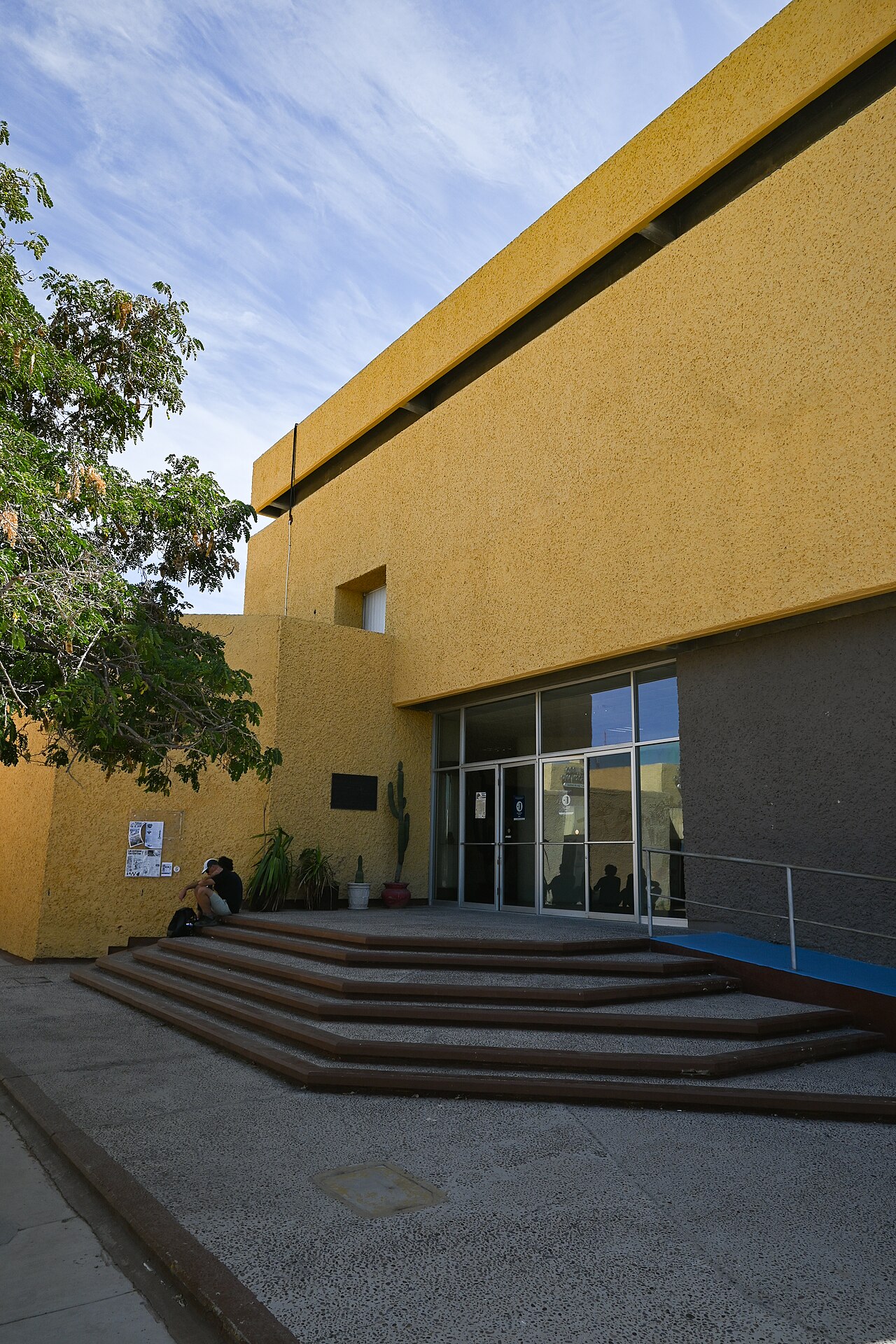
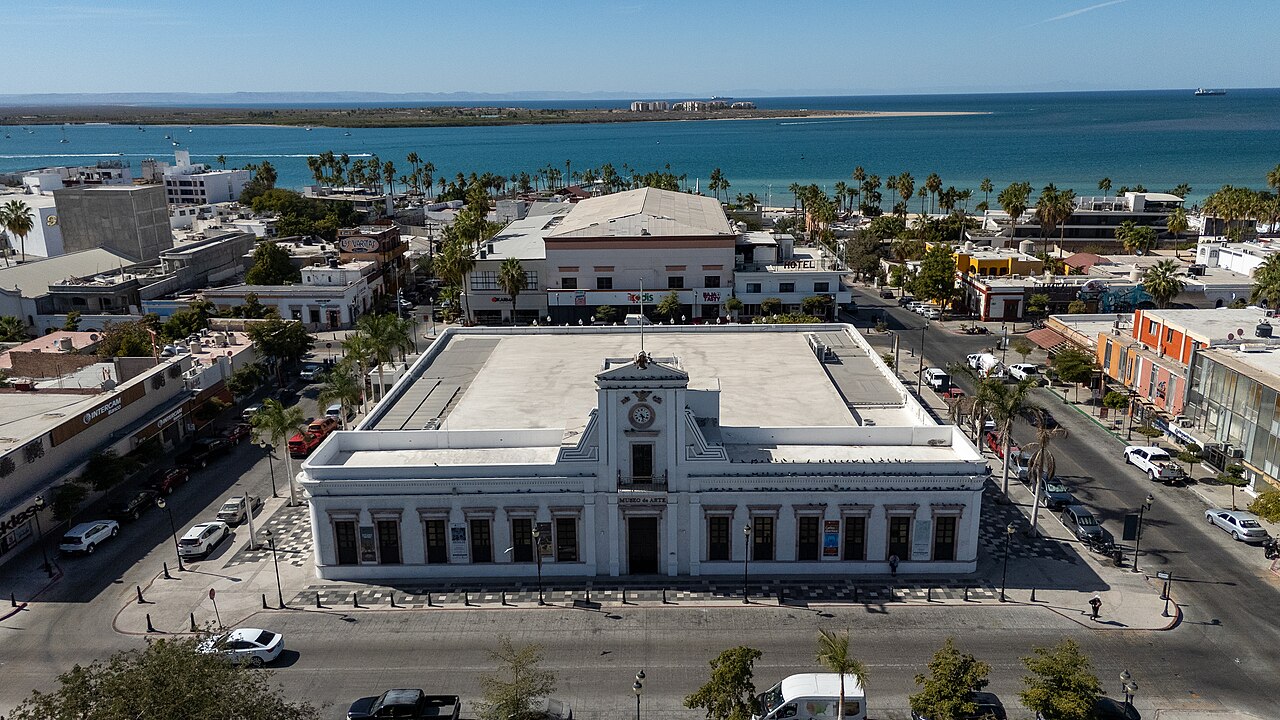
The visit works well as a morning or early afternoon activity, because it is largely sheltered and short, and it pairs neatly with a stroll through the historic center and a visit to the Museo Regional de Antropología e Historia, which tells the longer story of the region's pearl-diving past. Wear sun protection and comfortable shoes, since part of the visit may be outdoors, and ask the operator about transport if you do not have a car.
Families with older children often enjoy it, as it is more curious than demanding, and couples looking for a keepsake find it a calm alternative to a long boat day. Because group sizes are small, book ahead in the busy season.
What to expect
The experience
A guided visit to a pearl farm that explains how pearls are cultivated and harvested, with a shop on site.
Best time
Morning or early afternoon, any time of year.
How long
Roughly one to two hours, plus transport.
Tips
Ask about pearl types and care before buying, wear sun protection and comfortable shoes, and confirm transport with the operator.
Quick picks
- Best for
- Curious travellers who want a cultural activity and a meaningful souvenir.
- Families
- Short and easy, and usually interesting for older children who like to see how things are made.
- Couples
- A calm keepsake-hunting outing that makes a change from boat days.
- Pair with
- The Museo Regional de Antropología e Historia or a walk through the historic center.
- Time needed
- Two hours or a little more, including travel.
Good questions
Why is La Paz linked to pearls?+
The bay was known for its natural pearl oysters from the time of the first Spanish explorers, and the area was a centre of pearl diving for centuries.
Are the pearls natural or cultured?+
Pearl farms cultivate pearls in the bay's water, so the pieces on sale are cultured. Ask the staff about the type and any treatment of a piece before you buy.
Do I have to buy anything?+
No. The visit is about seeing how pearls are grown, and the shop is optional.
Is it suitable for children?+
Usually yes, especially older children who enjoy watching a process, but confirm any age limits with the operator.
What should I bring?+
Sun protection, comfortable shoes and a way to pay in case you decide to buy something.