The waters around La Paz are among the richest in Mexico, but the wildlife does not keep a single schedule. Some animals are here all year, others arrive for a few months, and a few require a longer trip to a different bay. Knowing the pattern helps you choose the right season and the right outing, and avoids the disappointment of planning a trip around an animal that is somewhere else. This guide walks through the year by season and by animal.
The year-round residents
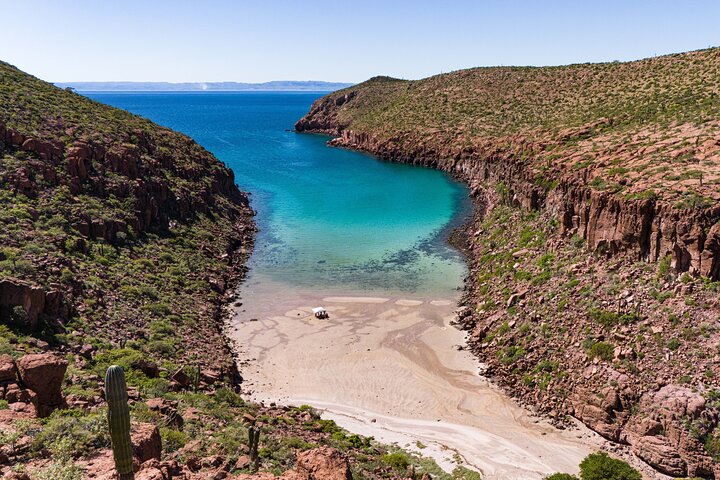
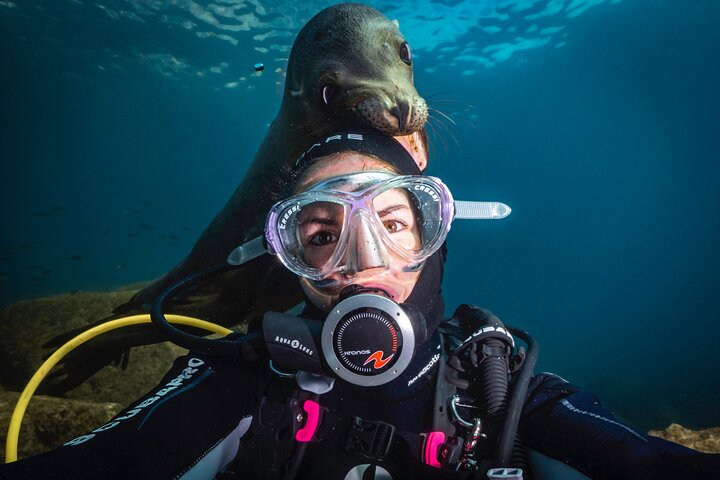
The most reliable wildlife encounter is the sea lion colony around Isla Espíritu Santo, which can be visited in every month. Sea lions live on the rocks, rest on the beaches and swim around visiting boats, and a guided trip lets confident swimmers snorkel nearby while staying a respectful distance from the animals. The boat ride itself usually brings seabirds, rays and sometimes dolphins, so a day to the island is a good bet whenever you arrive. Fish life on the reefs is also constant, which makes snorkeling and scuba diving rewarding in any season, although water temperature and visibility change with the months.
Whale shark season
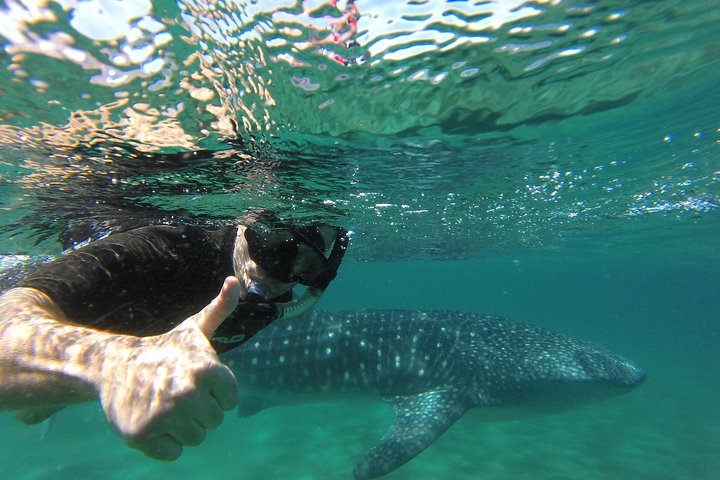
The gentle giants arrive in the Bay of La Paz in the cooler part of the year, with sightings generally starting around October and continuing into the spring. They come to feed on plankton in the shallow bay, and licensed guides take small groups out to swim alongside them under strict rules that limit the number of swimmers in the water and forbid touching the animals. Mornings usually offer calmer water, and a life jacket and mask are standard. Because the season is tied to the plankton rather than the calendar, the exact first and last dates shift from year to year, so ask the operator how recent sightings have been. Outside the season, these trips are not offered, and you should be wary of any offer that claims otherwise.
Mobula rays and dolphins
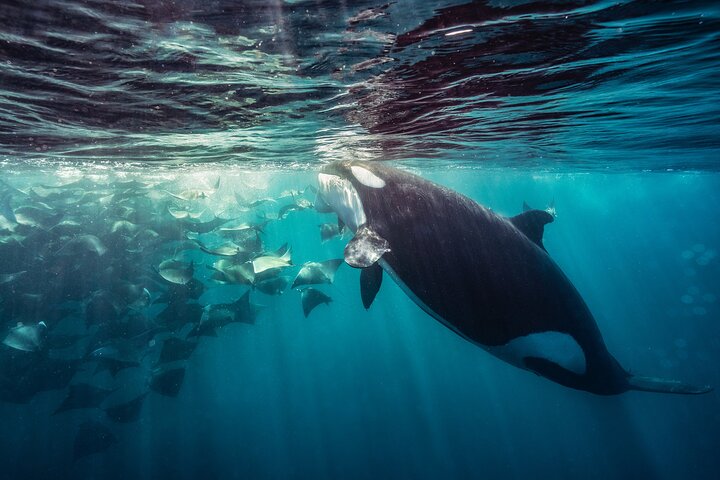
Open-water trips from La Paz often find schools of mobula rays that leap and spin out of the water, and pods of dolphins that ride alongside the boat. These sightings are more likely in the warmer months, though they can occur at other times, and an ocean safari is designed to search for them. Expect a fast boat, a sunny day and plenty of looking at the horizon.
Gray whale season
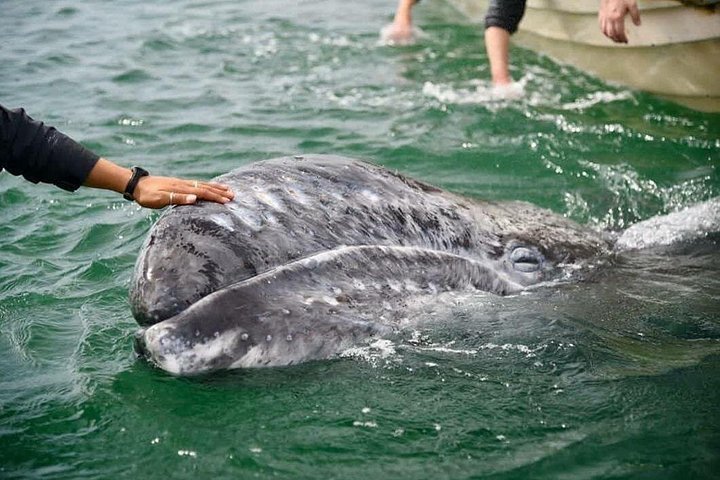
The gray whale spectacle takes place not in the bay but on the Pacific side, at Bahía Magdalena, a long day's trip from La Paz. Roughly from January into March, the whales come to the sheltered lagoons to breed and give birth, and in the calm water they often approach the small boats, sometimes allowing visitors to see them very close. The trip is a long day, since it involves a drive to the coast and a boat ride in the lagoon, so travel light, dress in layers and bring motion-sickness remedies. If whales are the main reason for your journey, plan the visit for the middle of this window and keep a flexible day in the schedule in case of weather.
Summer and the shoulder months
From about June to September, La Paz is hot and humid, and the sea is warm enough to swim without a wetsuit. It is a quieter time for tourism, which means fewer crowds and often lower prices, but the whale sharks and gray whales are absent, and the heat can make midday activities uncomfortable. Early morning boat days, snorkeling with sea lions and diving are still excellent. Summer weather can be changeable, so keep an eye on forecasts and choose flexible bookings.
Autumn: warm water and the start of the sharks
October and November are a sweet spot. The sea is still warm, the air is a little cooler and the whale sharks begin to appear. The crowds of the peak winter months have not yet arrived, and the light is beautiful in the evening. Many visitors consider this the best time for combining snorkeling, a beach day at Balandra and a few relaxed evenings on the Malecón.
Winter and spring: the cool, clear months
From December to March the air is cooler and drier, the sea is cooler, and the full range of attractions is open. This is the busiest period, and boat days, whale shark trips and hotel rooms fill early, so book ahead. A thin wetsuit or rash guard is helpful for long snorkeling sessions in the cooler water. By April and May the heat starts to build again, and the wildlife schedule narrows as the whale sharks drift away.
Choosing your trip by animal
If your priority is whale sharks, aim for October through the winter months and book several days in case the weather forces a postponement. If it is sea lions, any month works, though the cooler months are more comfortable. If it is gray whales, plan for the January to March window and allow a full day. If you want to dive, any season has something to offer, and summer brings the warmest water. For a first visit that covers the most ground, a winter trip with a sea lion day, a whale shark morning, a Balandra afternoon and a sunset on the Malecón gives a balanced picture.
Responsible wildlife viewing
Use only licensed operators, follow the guide's instructions about distance and the number of swimmers, never touch or chase an animal, and choose reef-safe sunscreen or cover up. Keep away from sea lion pups and nesting birds, and take all rubbish with you.
Practical planning
Book the headline wildlife trips as early as you can, leave a spare day for weather, and check conditions with the operator the evening before. Pack a hat, sun protection, a light waterproof layer and a dry bag for your phone. Check current travel advisories from your own government before you go, and confirm the details of each trip, including age limits and what the price covers, directly with the operator.