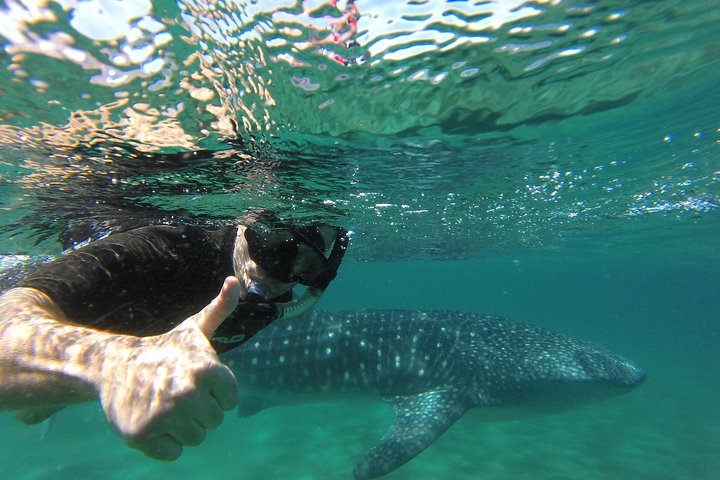
La Paz is one of the most respected dive bases in the Sea of Cortez, and for good reason. The water around Isla Espíritu Santo and the nearby islets is protected, rich in life and, for much of the year, calm and warm enough for comfortable diving. A guided outing takes you by boat to one or more sites chosen for the day's conditions and the level of the group. Highlights that divers associate with this area include playful sea lions that swoop and spin around you, green and hawksbill turtles, big schools of jacks and snapper, colourful reef fish, rocky walls and, at some sites, sunken wrecks that have become artificial reefs. The sea lions are the star for many people, because underwater they are even more curious and acrobatic than they appear from the surface. Divers of different levels are catered for, from relaxed reef dives to deeper or more current-swept sites for experienced groups, so be honest about your logbook when you book.
How it works
You meet the dive team at the shop or marina, complete the paperwork and gear fitting, and travel by boat to the first site. A typical outing includes a briefing, one or two dives with a surface interval between them, and some time to relax on board with water and snacks. Check the tour details for the number of dives, the equipment included, whether lunch is served and what certification is required. Some operators also welcome beginners with an introductory programme, so ask if you are not yet certified.
Conditions and season
The water is typically warmest from late summer into autumn and coolest in winter and early spring, so a thicker wetsuit is sensible from about December to March and a thinner one is usually enough in the warm months. Visibility is good in the calm months but can vary with plankton and wind. The sea lions are present much of the year, though their pupping season in summer is a time when guides ask divers to give them extra space. Winter days can be breezy, so cancellations for wind are always possible.
Preparing to dive
Bring your certification card, your logbook if you have one and reef-safe sunscreen for the surface. Do not fly within the recommended time after your last dive, which is commonly at least 18 hours after multiple dives, so plan your departure day accordingly. Tell the team about any medical conditions, ear problems or recent illness, and listen closely to the briefing about currents, depth limits and sea lion etiquette.
Marine life etiquette
Stay neutral in the water, keep your fins off the bottom and never touch or chase the sea lions or turtles. Let the animals come to you, which they often do. Guides know the safest way to enjoy the sea lions, and following their instructions makes the encounters better for you and kinder to the colony.
Plan around it
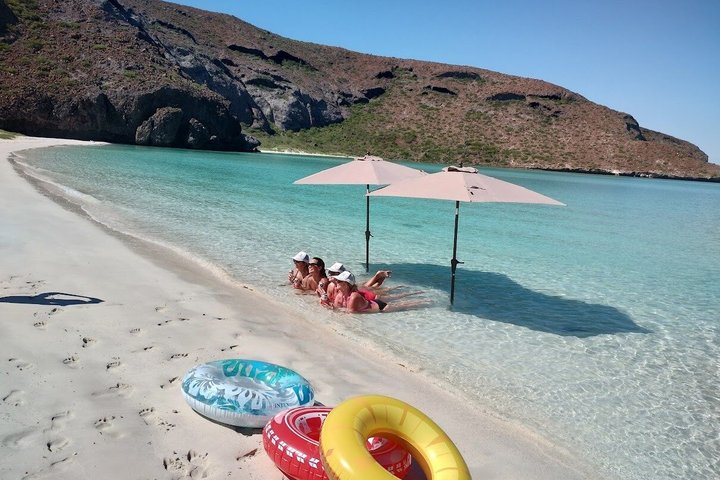
Divers often schedule the dive early in the trip, then leave a gentler day for the Malecón and the museums before flying home. If you are travelling with non-divers, a snorkel trip to the same islands is a good alternative, and a beach day at Balandra is easy to share. Consider adding a second dive day if you have the time, since conditions and sites vary.
What to expect
The experience
A guided boat dive at protected sites around La Paz and its islands, with equipment, a briefing and a surface interval between dives.
Best time
Late summer to autumn for the warmest water, though winter and spring diving is also good with a thicker wetsuit.
How long
Most of a morning or a full day, depending on the number of dives and travel time.
Tips
Bring your certification card and logbook, tell the team about your experience honestly and avoid flying too soon after diving.
Quick picks
- Best for
- Certified divers who want to dive with sea lions, turtles and schooling fish in the Sea of Cortez.
- Families
- Best for certified teens and adults, while younger family members can snorkel at the same islands instead.
- Couples
- A shared adventure for two certified divers, followed by a relaxed dinner on the seafront.
- Pair with
- The Isla Espíritu Santo boat trip for non-divers, and an evening on the Malecón.
- Time needed
- Half to a full day, plus a no-fly buffer before your flight home.
Good questions
Do I need to be certified?+
For most guided boat dives you need a recognised certification, and the tour details show the requirement. Some operators run introductory programmes for beginners, so ask when you book.
What will I see?+
Sea lions, turtles, schools of fish and reef life are the highlights, with wrecks at some sites. The exact sites depend on the conditions and the group's experience.
What is the water temperature like?+
It is warmest from late summer into autumn and coolest in winter and early spring. A thicker wetsuit is sensible from about December to March.
Is equipment included?+
Often yes, but the details vary by operator, so read the tour details for what is supplied and what you should bring yourself.
When can I fly after diving?+
Follow the guidance of your certification agency and the dive team, which is commonly at least 18 hours after multiple dives. Plan your departure day with that buffer.