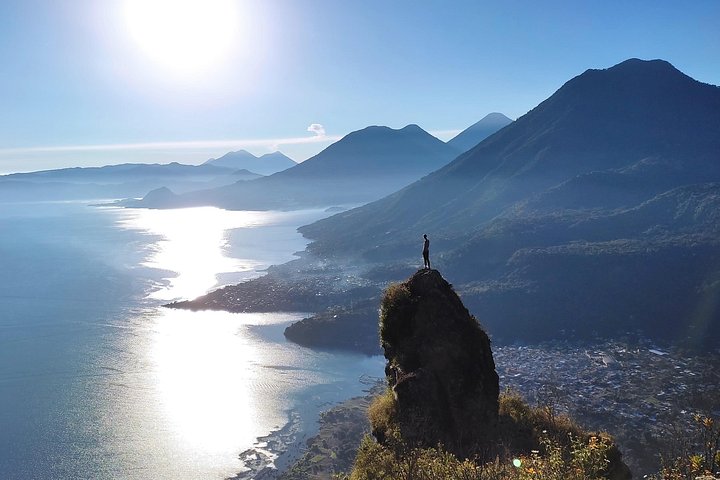
Lake Atitlán sits at about 1,500 meters in Guatemala's Sololá department, about 18 km long and up to 341 meters deep, with the San Pedro, Tolimán and Atitlán volcanoes standing around it. Many residents are descendants of the Cakchiquel and Tz'utujil peoples, and each lakeside village has its own character. This guide explains what to book, how to move around and how to plan three to five days.
What to book ahead
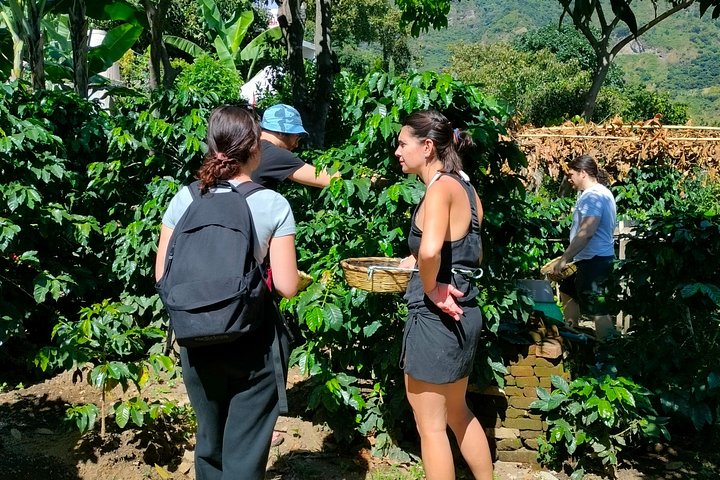
Start with the Indian Nose sunrise hike, which is the signature morning and runs a little over four hours with a guide. Add the San Juan La Laguna coffee and weaving tour, a short, highly rated walk that introduces the lake's cooperatives. If you want a guided overview, the boat tour to San Juan and Santiago Atitlán covers two towns by private boat. Active travelers should add the kayak and hike adventure, and food lovers the Santa Cruz cooking class. For a faster outing, the villages ATV tour is popular.
Getting around
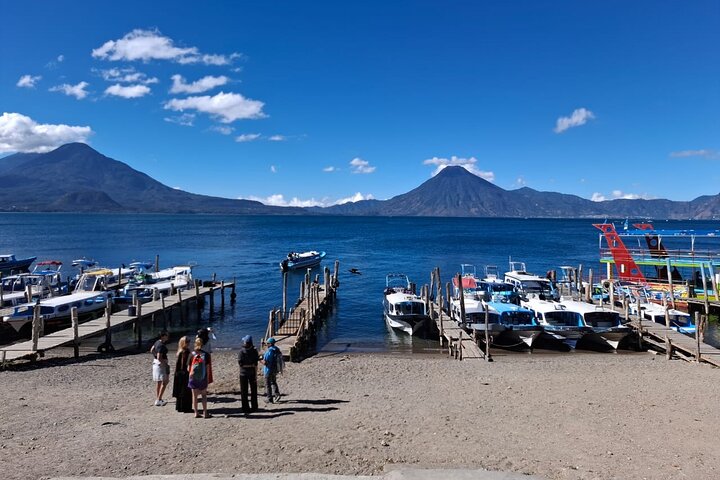
Boats are the main way to move between lake villages. Public boats run from Panajachel to towns such as Santiago Atitlán, San Pedro La Laguna, San Antonio Palopó and Santa Catarina Palopó, and fares are modest but negotiated, so confirm before you board. The trip from Panajachel to San Pedro takes about 30 to 45 minutes, and the hop from San Marcos to San Pedro only 10 to 15. Wear the life jacket if the captain asks. Tuk-tuks and taxis cover short distances in each village. For Guatemala City, shared shuttles and private transfers operate from Panajachel, and the route runs through Sololá, about 140 km from the capital.
When to go
November through April is the dry season, with the clearest mornings for sunrise and kayaking. Afternoon winds can build on the lake, so plan water activities early. Evenings are cool at this altitude, so bring a sweater, and a rain layer is wise at any time of year.
How many days
Two days lets you do the sunrise hike and one village day. Three or four days adds the market and a slower village or two. Five days gives you time for cooking, kayaking and a rest day.
Where the headline sights fit
Panajachel is the gateway, with Calle Santander for shopping and the docks for boats. San Pedro is the backpacker hub and the start point for Indian Nose tours. San Juan La Laguna is the town for weaving and coffee. Santa Cruz is quiet and cliffside. San Marcos is the yoga and meditation village, with the Cerro Tzankujil nature reserve for swimming and viewpoints. Chichicastenango is not on the lake: its famous market runs on Thursdays and Sundays and is a road trip from Panajachel of roughly six to seven hours round trip.
Practical tips
Carry small bills for boats, markets and tips. Buy textiles directly from weavers and cooperatives, and ask about natural dyes. Respect ceremonies and ask before photographing people, especially at Chichicastenango and in Santiago. Do not walk the Indian Nose or volcano approaches alone in the dark, since robberies have been reported on early-morning approaches. Mornings are for hiking and paddling, afternoons for markets and lunch.
A simple plan
Day one, Panajachel and Calle Santander. Day two, the Indian Nose sunrise hike and the San Juan coffee and weaving tour. Day three, a boat day to San Juan and Santiago, or kayaking. Day four, the Chichicastenango market on a Thursday or Sunday. Day five, the Santa Cruz cooking class and a slow lakefront evening.