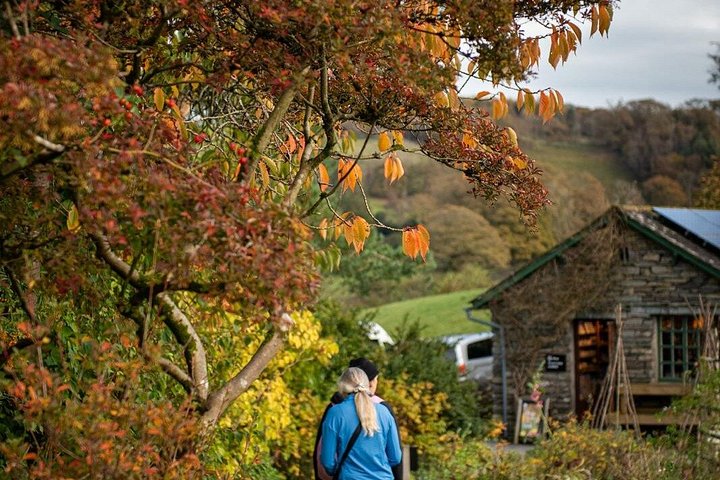
The Lake District is small on the map and surprisingly slow on the ground. The National Park is only about thirty miles across, but its lanes are narrow, its passes are steep and its best sights are scattered around a ring of lakes with few direct roads between them. Plan around three bases, Windermere and Ambleside in the south, Keswick and Borrowdale in the north and Grasmere in between, and you will spend your time looking at views instead of looking for parking.
Know the season you are in
This guide is written for November, when winter timetables apply. Windermere Lake Cruises runs a winter timetable with sailings every day except 25 December, and its longer Green Cruise to Wray only runs from April to October. Ullswater 'Steamers' is on a reduced winter timetable, does not sail on Christmas Eve or Christmas Day, and has suspended its Aira Force sailings for now. Dove Cottage in Grasmere is open Tuesday to Saturday only. Daylight is short, so build your plans around a morning start and a mid-afternoon finish.
What to book ahead
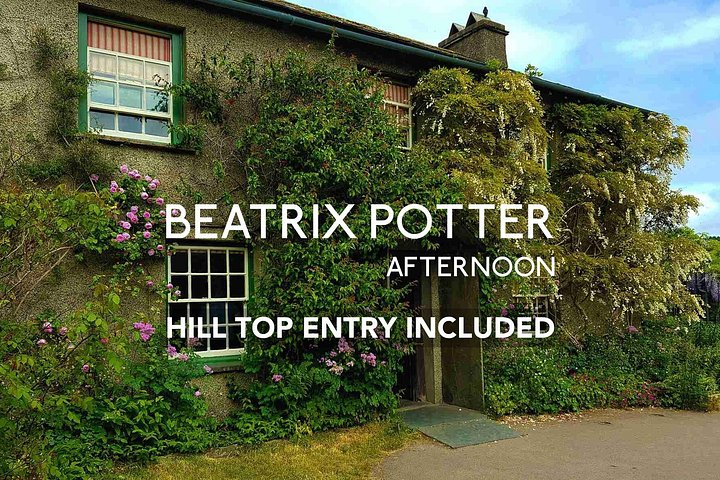
Very little needs a booking months ahead in winter, but three things are worth fixing in advance. Hill Top, Beatrix Potter's house, uses timed entry and a pre-booked car park, and some days are closed, so check the National Trust calendar. Dove Cottage sells timed entries, and weekend slots go first. Honister Slate Mine's Climb in the Mine often sells out. For everything else, a flexible plan works, because wet weather is a fact of life and the best Lakeland days are often decided at breakfast.
How to get around
A car gives the most freedom, but the Lakes reward patience: roads are narrow, passes such as Honister, Kirkstone and Hardknott can be icy in winter, and parking in Bowness, Ambleside and Keswick is paid and limited. Buses link the main towns and the Windermere ferry and cruise boats work as scenic transport. If you do not want to drive, a small-group tour such as the Ten Lakes day from Windermere covers the headline views with a local driver, and staying in Ambleside at Waterhead lets you walk to the boats.
How many days
Two days gives you one lake and one literary day: a Windermere cruise, the World of Beatrix Potter in Bowness and Hill Top, then Dove Cottage and Grasmere. Three days adds the north, with Keswick, the Derwentwater shore, Castlerigg Stone Circle and Honister. Four or five days lets you add Ullswater and a proper fell walk. In winter, keep one day spare for weather, because rain and low cloud can change your plan.
Where the headline sights fit
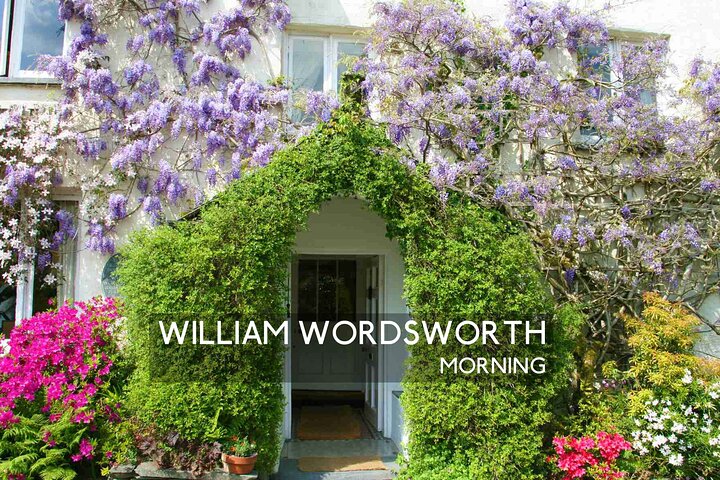
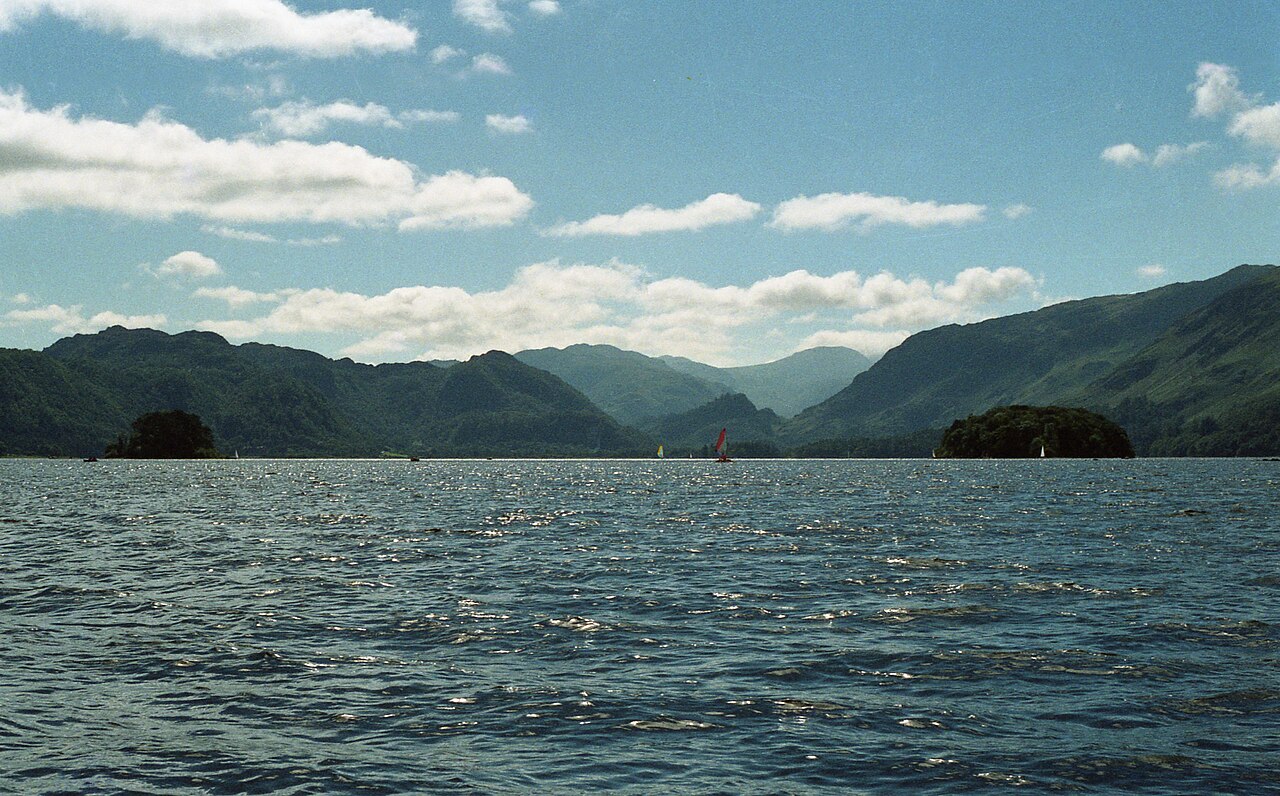
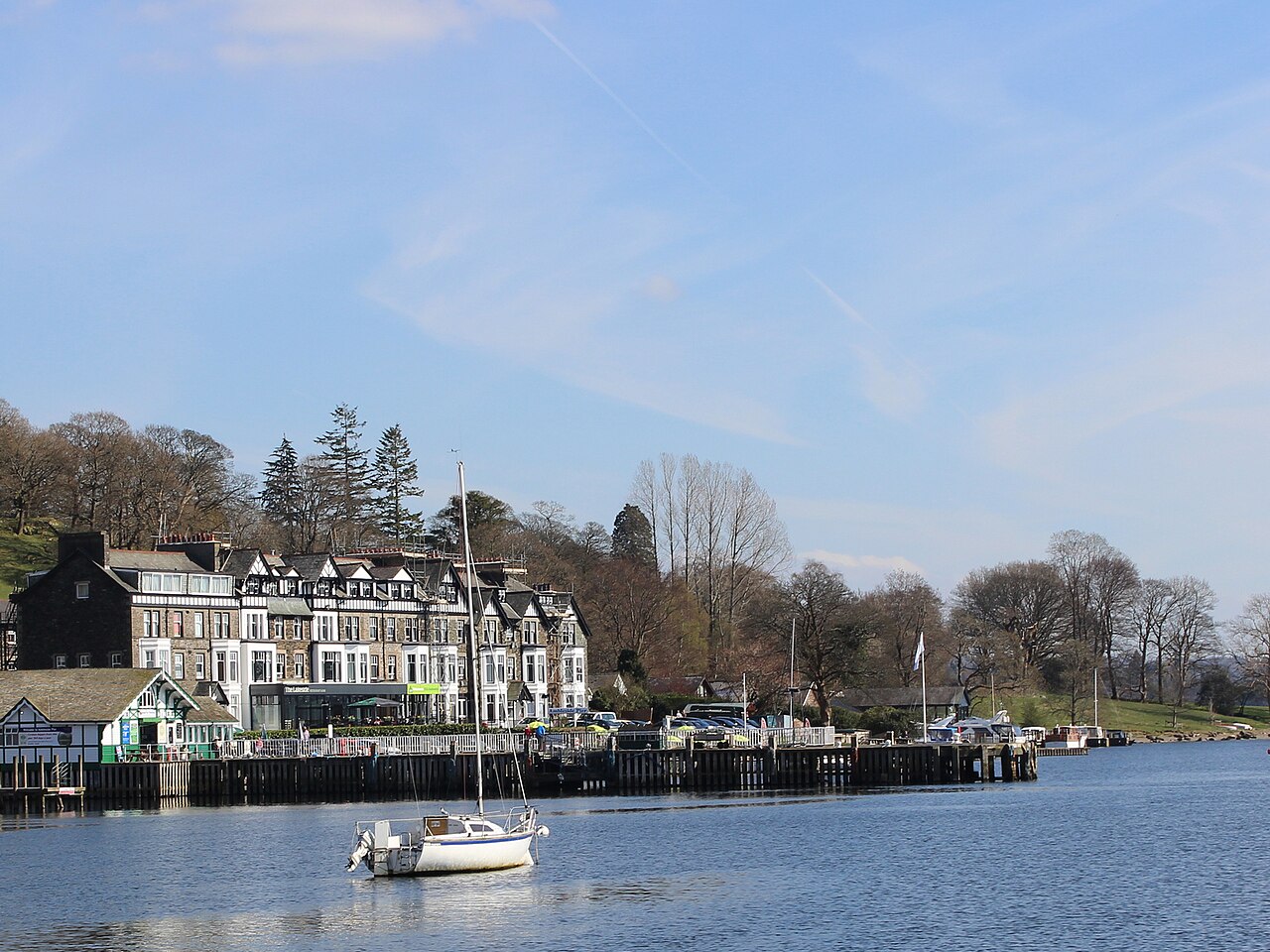
In the south, Windermere is the lake for cruises and Bowness is the busiest village, with the cruise pier and the World of Beatrix Potter. Ambleside at the head of the lake is the walking hub, and Hill Top lies on the western shore near Hawkshead. Grasmere, a short drive north, is Wordsworth's village. In the north, Keswick is the market town on Derwentwater and the base for Castlerigg and Honister. Ullswater, to the east, is the lake for steamers and the starting point for Helvellyn, while Scafell Pike starts from the western valleys of Wasdale and Borrowdale.
Walking, safely
The big fells are free but serious in winter, with ice, snow and short days. Scafell Pike and Helvellyn need winter kit and skills, and the national park's Fell Top Assessors publish daily Helvellyn reports from December to Easter. If conditions look doubtful, choose a lower walk such as Loughrigg Fell, Orrest Head, Catbells or the Friar's Crag path at Keswick.
A simple three-day plan
Day one, a Windermere cruise, lunch in Bowness and the World of Beatrix Potter, with Hill Top if it is open. Day two, Dove Cottage in the morning, a Grasmere gingerbread, then drive to Keswick for Friar's Crag at sunset. Day three, Castlerigg at first light, Honister Slate Mine, and a lakeshore walk or the Ullswater boats on the way home. Pack waterproofs, proper boots, a torch and a flexible mind.