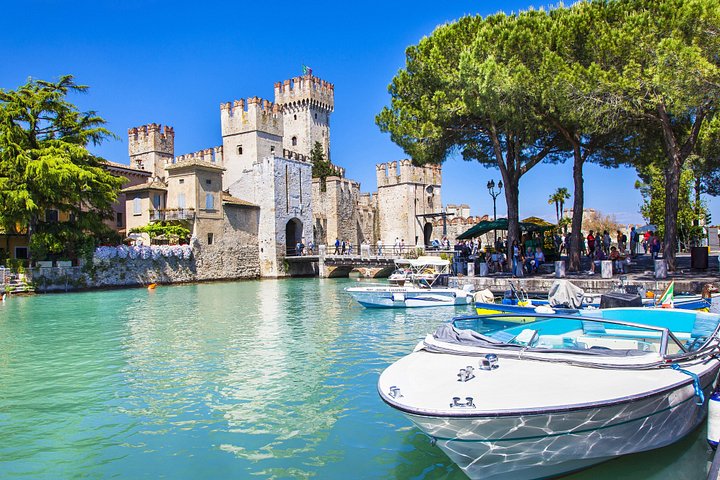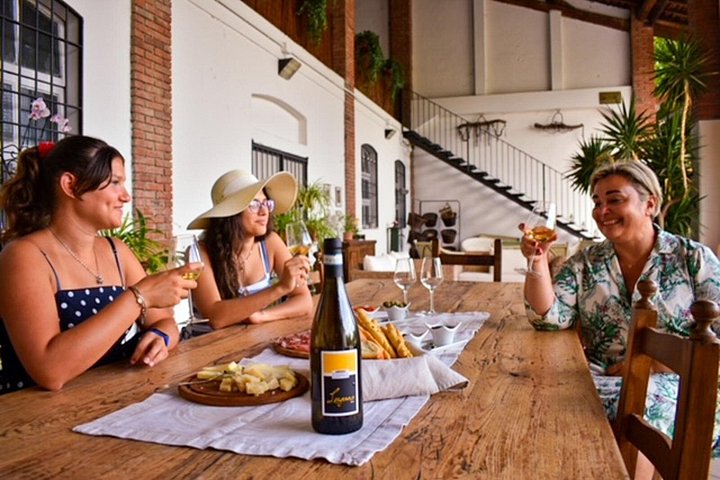
Lake Garda sits where three regional food traditions meet. Lombardy to the west, Veneto to the east and Trentino to the north each contribute, and the result is a table that is varied, seasonal and surprisingly local. Eating well here means paying attention to the shore you are on, the season and the producers, and it means taking time, because the best meals are slow ones by the water.
Lake fish
Freshwater fish is the signature of lakeside restaurants. Look for lavarello, a whitefish often grilled or baked, trout, perch and carpione, a local fish traditionally preserved in a sweet and sour marinade. Dried or marinated sardines from the lake are also common, and fried small fish make a good starter. Quality varies, so choose places where the menu is short and the fish is described by its lake name rather than generic labels. Prices can be higher at tourist harbours.
Olive oil
Lake Garda is one of the northernmost olive-growing regions in the world, and its oil is mild, delicate and fruity. The lake moderates the climate enough for olive groves to thrive on the slopes, and several producers welcome visitors for tastings. A bottle of local oil makes an excellent gift. Look for bottles that state their origin on the label, and ask about the harvest, which usually takes place in autumn.
Wines of the south and east
Lugana is a crisp white from the Turbiana grape, produced around Sirmione, Peschiera and Desenzano, and it pairs beautifully with fish and light pasta. On the eastern shore, Bardolino is a light, fruity red from Corvina and related grapes, while Chiaretto is its pale rosé, popular in summer. Further inland, the wines of Valpolicella and Custoza appear on many menus. A winery visit or a boat tour with a tasting is a good way to meet the producers.
Pasta, risotto and polenta
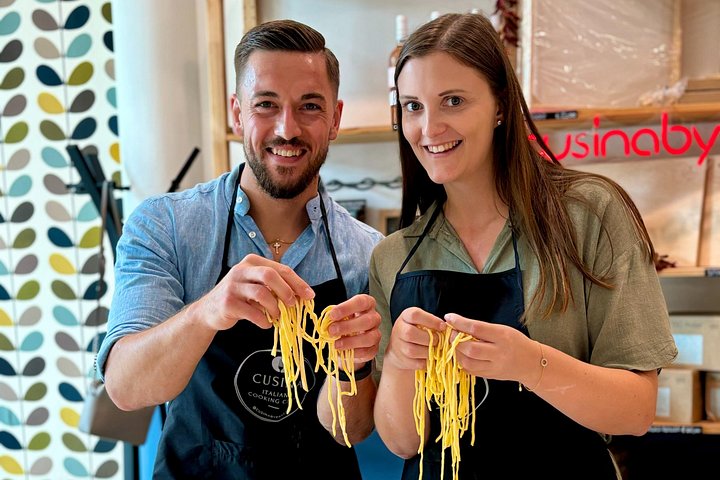
Fresh pasta is everywhere, with regional specialities such as tortellini from the Valeggio area on the southern edge of the lake, and bigoli, a thick spaghetti, in the Veneto. Risotto is common, often made with lake fish or seasonal vegetables, and polenta appears on northern menus alongside game and cheese. In Trentino, expect dumplings, strudel and mountain cheeses. A cooking class is a good way to learn how fresh pasta and tiramisù are made, and it ends with a shared meal.
Cheese and cured meats
Local cheeses range from soft cows’ milk cheeses to aged mountain wheels, and a platter of cured meats with bread and olives is a classic aperitivo. In the evening, many bars serve a drink with small snacks, and a glass of Chiaretto or a spritz with a few nibbles is a reliable way to start a meal.
Sweets and coffee
Gelato is a ritual, and the lake towns have countless gelaterias, often with lemon, hazelnut and pistachio flavours. Tiramisù is a regional favourite, and the pastry shops sell local cakes and biscuits. Order coffee at the bar for the lowest price, as table service costs more, and note that Italians rarely order cappuccino after lunch.
Eating well, practically
Lunch is usually served from about noon to two and dinner from about seven thirty, with kitchens in smaller towns closing early outside summer. Reservations are wise in high season and on weekends. Look for restaurants a street or two back from the promenade, where prices fall and the clientele is more local. Many places charge a small cover fee, so check the menu. Tipping is modest, and rounding up is common.
Tastings, classes and tours
Several experiences make the local table easier to explore. A Lugana tasting near Sirmione is a short, affordable option, a boat cruise with Bardolino wine and nibbles combines scenery with flavour, and a cooking class gives you hands-on skills. E-bike tours in the north sometimes include a farm tasting. Book ahead in summer, drink in moderation and arrange transport so that no one has to drive after a tasting.
Seasonal notes
Spring brings asparagus and fresh vegetables, summer is the time for fish and light dishes, autumn is for the olive and grape harvests and mushrooms in the hills, and winter is for hearty dishes, with polenta and meat stews. Many restaurants and wine shops close for a period in winter, so confirm opening hours if you travel in the cold months. The food of the lake is best enjoyed with time, a good view and a glass of something local.