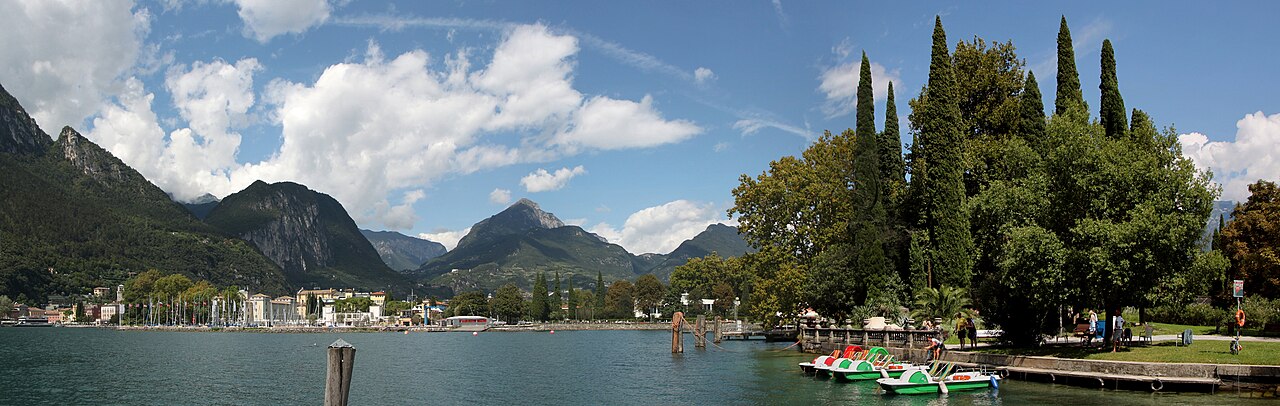
Lake Garda is the largest lake in Italy, about fifty kilometres long and up to seventeen wide, shared between the regions of Lombardy, Veneto and Trentino-Alto Adige. That size matters for planning. The lake is not a single place but a series of very different shores, and a first visit works best when you decide which part of it you want to know. The southern end is broad, flat and easy, with Sirmione, Desenzano and Peschiera, the theme parks and the wine hills. The narrow northern end is Alpine, with steep cliffs, Riva del Garda and Torbole, and the best conditions for walking, climbing and windsurfing.
The three shores
The western shore, the Riviera of Lombardy, is elegant and green, with Salò, Gardone Riviera, the Vittoriale and the Hruska garden. The eastern shore, in Veneto, is quieter and rural, with Lazise, Bardolino, Garda and Malcesine and the long ridge of Monte Baldo behind. The southern shore, the shallow end, is where most first-time visitors begin, because Sirmione and the family attractions are close to the motorway and the railway. Spending a night or two on more than one shore gives a fuller picture than a single base.
Start with Sirmione
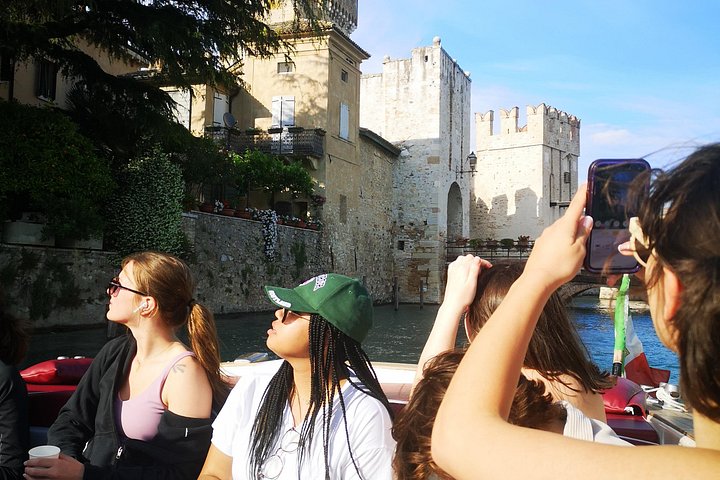
The peninsula is the most famous sight on the lake, and it earns the reputation. A moated castle guards the entrance, the old town is largely car-free and the Roman ruins at the tip, the Grotte di Catullo, are among the largest of their kind in northern Italy. It is also the most crowded place on the lake in summer, so go early or late, or choose a boat trip that shows the town from the water. A short peninsula cruise is an easy way to see it, and a sunset outing is lovely on a clear evening.
What to book ahead
Most lake sights do not need advance tickets, but a few things reward planning. A day at Gardaland is smoother with tickets in hand and a plan for the queues. Guided boat tours, cooking classes, wine tastings and e-bike tours are best reserved a few days ahead in summer, when popular departures fill up. Hotels in Sirmione and on the lake in July and August should be booked well in advance, and many lake hotels are seasonal, so check opening dates, particularly in spring and autumn.
How many days
Three days is the minimum for a satisfying first visit, enough for Sirmione, a boat day and one other area. Five days lets you add the northern lake, with Riva, the Ponale road and Malcesine. A week allows a slow tour of all three shores, with time for wine, cooking and a lazy day on the water. If you only have one day, choose Sirmione and a boat trip, and leave the rest for another time.
Getting around
A car is helpful, but far from essential. Trains stop at Desenzano del Garda and Peschiera del Garda on the southern shore, local buses serve the coastal roads and ferries connect many towns from spring to autumn. Roads can be congested in summer, particularly on the western shore, where the road is narrow and passes through tunnels. A separate guide in this market explains the options in detail, and the best choice depends on where you are staying and how much you want to see.
Culture and sights beyond the water
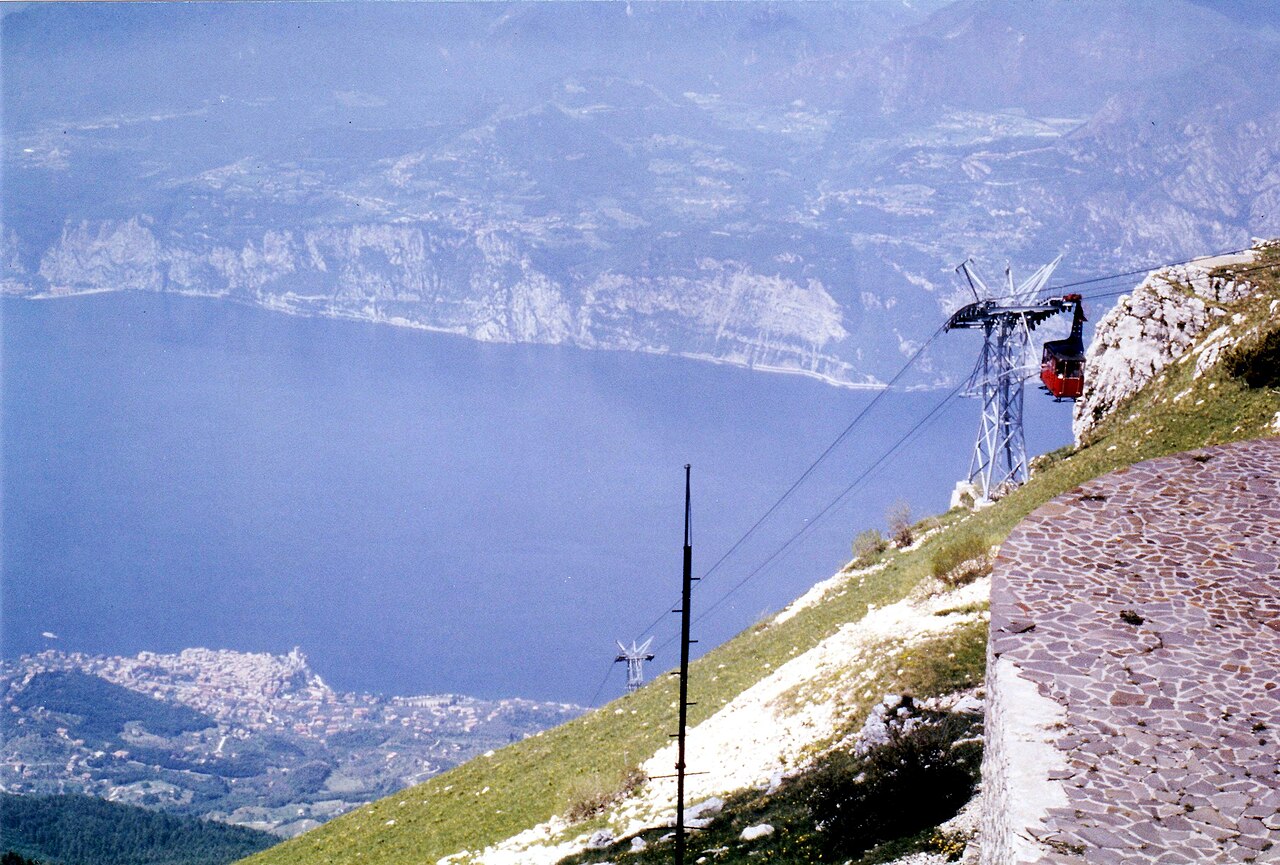
The lake is more than a place to swim. The Vittoriale in Gardone Riviera is an extraordinary hillside estate, the sanctuary of the Madonna della Corona hangs from a cliff above the Adige valley, and Malcesine has a castle and a cable car to the summit ridge of Monte Baldo. Lazise and Garda are charming old harbour towns, and the northern end has waterfalls, gorges and via ferrata routes for those who enjoy a challenge.
Food and wine
Expect lake fish, olive oil from the shore, Bardolino and its pink Chiaretto on the eastern side and crisp Lugana white wine in the south. Fresh pasta, risotto and polenta appear on menus around the lake, with Trentino influences in the north. A cooking class or a wine tasting is a good way to understand the local table, and a long lunch by the water is one of the great pleasures of a lake holiday.
When to go
Late spring and early autumn are the sweet spots, with warm days, fewer crowds and a full programme of boats. July and August are hot and busy, with the best swimming. Winter is quiet and much of the lake closes, though the scenery is striking and the air is clear. A separate guide in this market covers the seasons in detail.
A note on Verona
Verona is only about thirty minutes from the southern shore and deserves its own visit, but it has its own market and is not covered here. If you have time, combine the two, perhaps with a night in each. This guide keeps to the lake and its immediate surroundings so that you can plan your days around the water, the mountains and the villages.