Lake Placid is small enough to cover in a long weekend and rich enough to fill it. The village itself takes half a day, the Olympic venues another, and the mountains and lakes around it supply the rest. This plan assumes a car, since the best sights are spread over a valley of about fifteen miles, and it is built so that weather can reshuffle the days without ruining them. In every season the principle is the same: do the high-visibility outdoor sights on the clearest day, and keep the museums and indoor ice for the cloud.
Day one: the village and the Olympic story
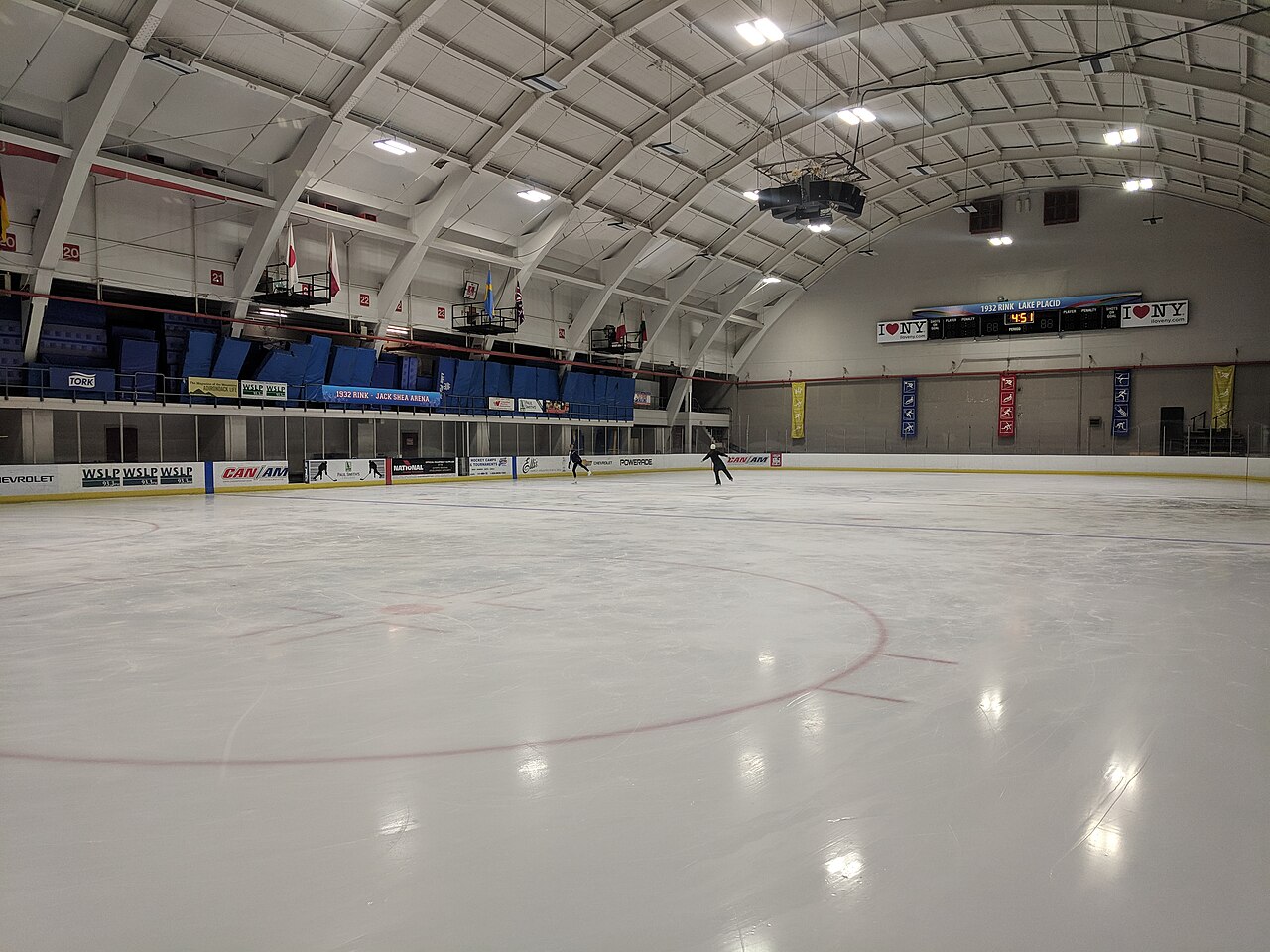
Start at the Olympic Center, where the 1980 Rink and the Olympic Museum explain why Lake Placid exists. Allow two hours, longer if public skating is on. Walk across the road to the Olympic Oval, then drift down Main Street for lunch at a lakeside restaurant. In the afternoon, drive to the Olympic Jumping Complex and ride the elevator to the top of the 120-meter jump for the first big view of the High Peaks. End with a walk around Mirror Lake as the light drops, and dinner on Main Street. If you want a lighter hour, the Locomotion Scavenger Hunt is a pleasant way to see the village streets at your own pace.
Day two: the big views
Take the clearest morning of your stay for Whiteface Mountain. Drive the Veterans Memorial Highway to the summit parking area and take the short climb or the elevator to the top, or ride the Cloudsplit Gondola from the base if the road is closed for the season. Check the summit webcam before you leave, because clouds can sit on the top for hours. Come down for lunch in Wilmington and then stop at High Falls Gorge for the boardwalk walk above the Ausable River. If you are traveling with young children, add Santa's Workshop, which is a few minutes away and open on a seasonal calendar. The day finishes easily with a drink at a brewpub in the village.
Day three: choose your adventure
The third day is where the region splits by taste. Active travelers can climb Mount Jo from Heart Lake in about two hours, or tackle Cascade Mountain for a real High Peaks summit in four to six. Thrill seekers can book the bobsled experience at Mt. Van Hoevenberg, which is limited in capacity and best reserved ahead. History lovers can visit the John Brown Farm and then drive to Saranac Lake to walk past the cure cottages and see the Stevenson Cottage. Families may prefer the Wild Center in Tupper Lake, which is a rainy-day winner with live otters and the Wild Walk. Whatever you choose, leave time for a last evening stroll on Mirror Lake, which is the way most visitors say goodbye.
Booking order matters
Reserve the bobsled and any guided hikes first, since they sell out. Next come lodging for holiday weekends, foliage weeks and tournament dates. Last are the free sights, which need no planning beyond the weather. Buy combination passes for the Olympic venues if you plan to see three or more, since they usually cost less than individual tickets. Restaurants fill on summer and winter weekends, so reserve dinner in advance.
Weather plan
Mountain weather changes quickly. If day two is cloudy, swap it with day one, since the indoor Olympic sights are fine in cloud. If it rains, the Wild Center and the Olympic Museum are strong backups, and the gorge is dramatic with high water. In winter, replace the summit with skiing at Whiteface and the bobsled with cross-country trails, and expect the lifts to close in high wind. In all seasons, carry layers, since the temperature drops with every thousand feet.
Where to base
A stay near Mirror Lake lets you walk to dinner and the Olympic Center, while a lodge outside the village trades convenience for quiet. Saranac Lake, fifteen minutes away, is a good value alternative. See the where-to-stay guide for a closer look at neighborhoods and price levels, and the day trips guide if you want to extend the plan to Lake George and Saratoga Springs.
Packing for three days
Bring layers, rain gear, sturdy shoes and a swimsuit in summer, plus microspikes and warm socks in winter. A reusable water bottle, sunscreen and a small daypack cover most needs, and a phone charger in the car is helpful for navigation.