Lake Placid is the smallest community ever to host two Winter Olympic Games, in 1932 and 1980, and it has kept its venues alive instead of letting them become ruins. Unlike many host cities, the facilities here are still used by athletes, so a visit can mean watching training, sliding on the same ice as champions or skating where history was made. The sites are spread across a few miles, and a little planning turns them into an efficient circuit.
Olympic Center
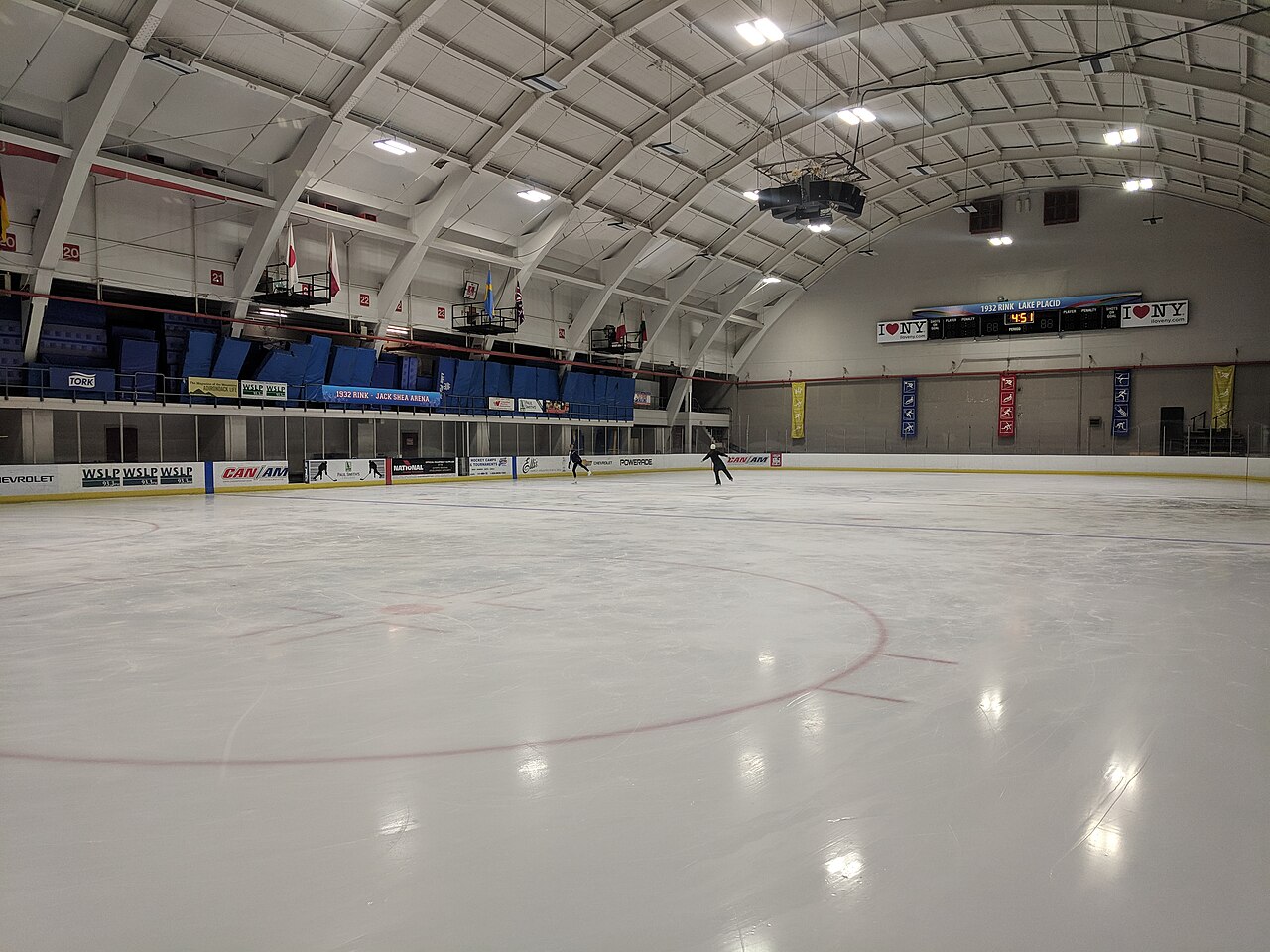
The heart of the story is the Olympic Center in the village. The 1980 Rink is where the United States hockey team beat the Soviet Union 4-3 in the game remembered as the Miracle on Ice. The complex also includes the 1932 arena and the Lake Placid Olympic Museum. Allow two hours, plus time for public skating if it fits your schedule. Because the arenas host tournaments and training, the schedule changes daily, so check what is open before you go. The Olympic Oval across the road, where speed skaters competed in 1932, is open for public skating in the colder months.
Olympic Jumping Complex
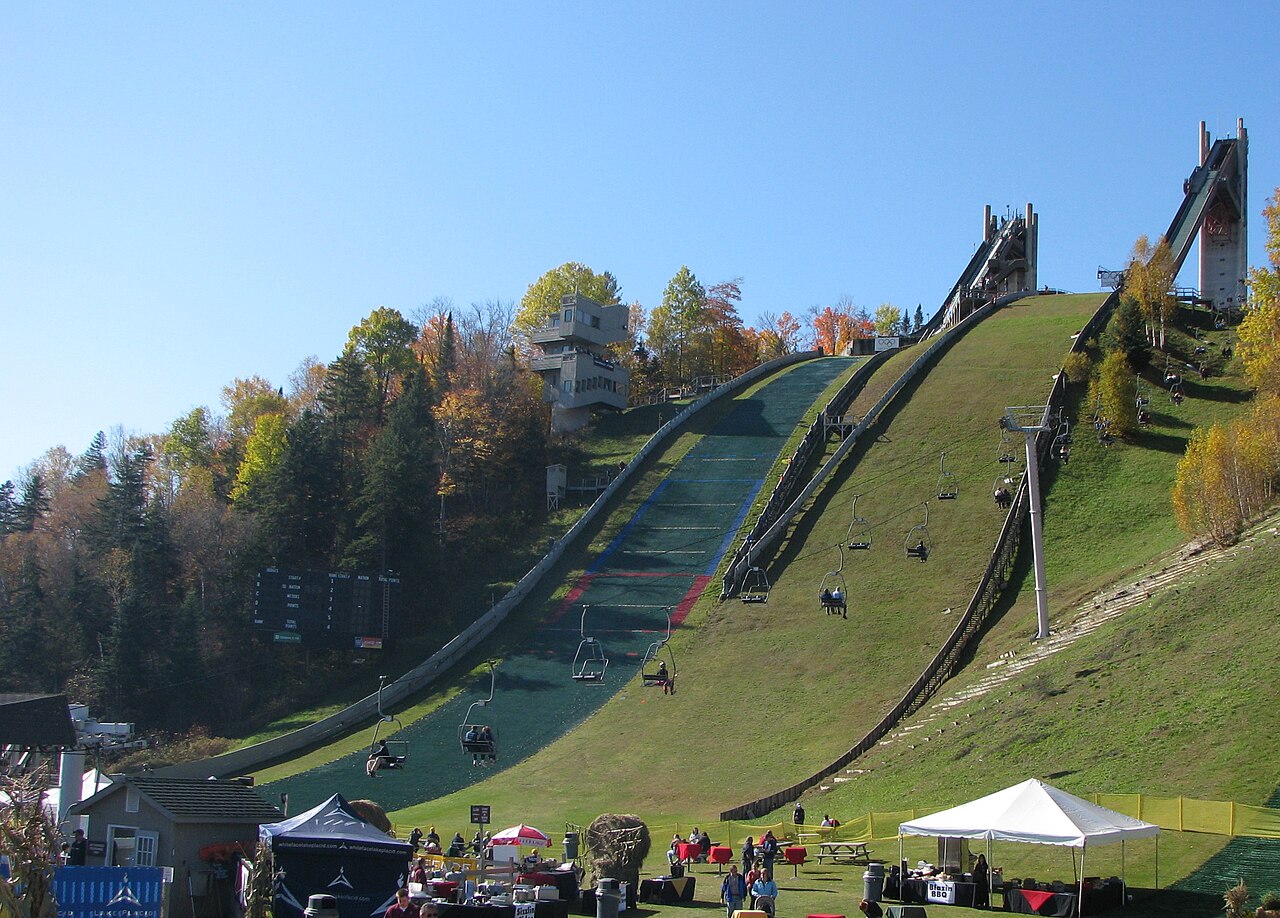
Two ski jumps, 90 and 120 meters, rise south of the village. A chairlift and a glass elevator take visitors to the top of the taller one, where an observation deck shows the village, Mirror Lake and the High Peaks. It is a one-hour stop that gives the best overview of the region. In warm months jumpers train on plastic ramps, and watching a session is worth the wait if you happen to catch one. Dress warmly for the top and check the lifts on windy days.
Mt. Van Hoevenberg
The bobsled track and Olympic Sports Complex lie a few miles outside the village. The signature activity is a ride in a bobsled with a professional pilot, which feels fast and takes less than a minute. In summer, wheeled sleds and a mountain coaster replace the ice, and the complex has cross-country trails and biathlon facilities. Book ahead, since capacity is limited, and read the age and weight rules. Families with young children may prefer the coaster and trails.
Whiteface Mountain
The 1980 alpine events were held on Whiteface, which has the largest vertical drop in the eastern United States. In winter, it is a ski resort with a gondola, and in warm months the Veterans Memorial Highway climbs to near the summit. The mountain is about twenty minutes from the village, so treat it as its own half-day outing.
Tickets and sequencing
The regional authority that operates the main venues sells combination passes, which can cost less than buying each attraction separately if you plan to see three or more. A good order is the Olympic Center in the morning, lunch on Main Street, the ski jumps in the afternoon, and Mt. Van Hoevenberg or Whiteface on a second day. Weekdays are calmer than weekends, and event weekends can close arenas, so check calendars before you commit. Winter visits add skating and skiing, while summer visits add training and clear views.
What to skip
If time is short, prioritize the Olympic Center and the ski jump elevator, which together give the story and the view. The bobsled is the best splurge, and the museum is worth your time if you are a sports fan. Nothing here requires athletic ability, and nearly everything can be done in a day or two, which makes the circuit a good backbone for a short trip. Add a walk around Mirror Lake to connect the sites to the village.
Accessibility and comfort
Most of the venues have parking close to the entrances, but some involve stairs, ramps and uneven surfaces, so contact each site if you have mobility needs. Dress for cold in the arenas, which are kept chilly for ice, and in the jump towers, which are exposed to wind. Bring cash or a card for small purchases, and carry a refillable bottle. Photography is generally welcome, but check restrictions during competitions. If you travel with children, aim for the morning, when energy and patience are highest, and save lighter stops, like Mirror Lake, for the afternoon. Remember that event weekends change what is open, so verify before you drive out.