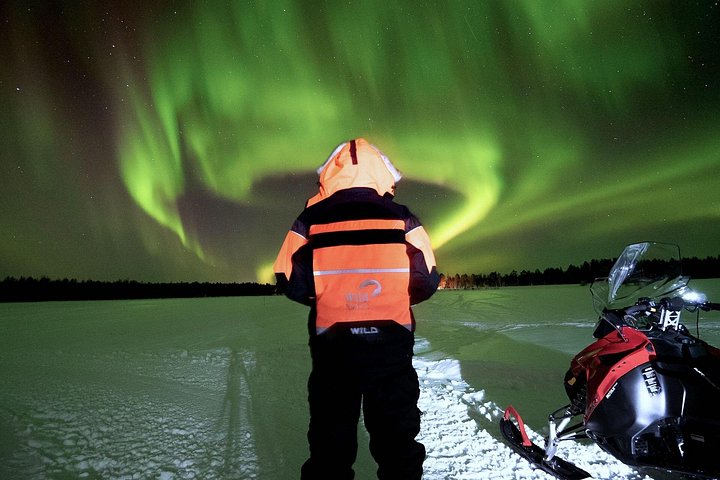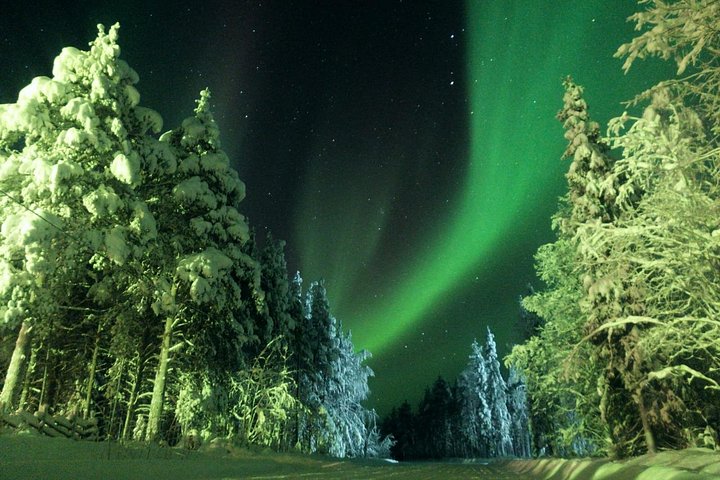
Seeing the northern lights from Levi is partly science and partly luck, and a guided hunt is the way to stack the odds. The village sits well inside the auroral zone, so on a clear night in the season, which runs roughly from late August to early April, the display is a real possibility on most evenings. What a guide adds is mobility and judgement: they watch the cloud cover, the solar-activity forecast and the local weather in real time, then drive the group away from the glow of the resort to a dark clearing, a lakeshore or a fell flank where the sky opens up.The format is a small-group evening outing, usually starting after dark and running several hours. You are collected from your accommodation, transferred to the first viewing spot, and moved on if the cloud shifts. Warm overalls and boots are normally provided in winter, there is a campfire or hot drink stop while you wait, and guides tend to help with camera settings if you ask. Hunts that carry a money-back or repeat-night promise exist for a reason: nobody can command the sky, and a flexible product protects you against a cloudy first evening.
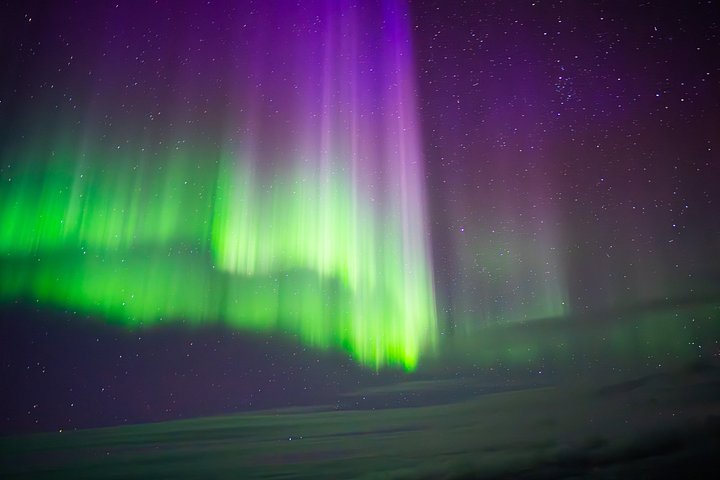
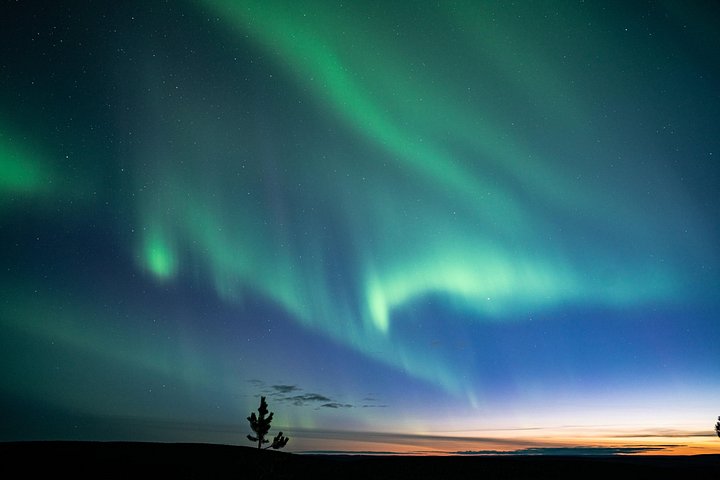
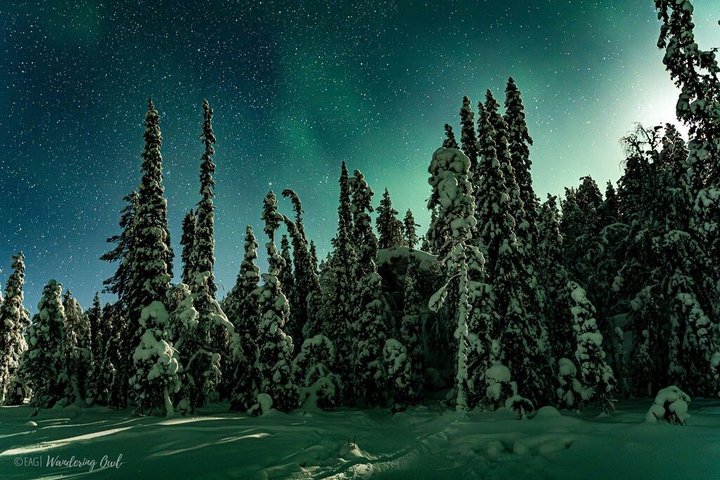
The aurora is caused by charged particles from the sun striking gases in the upper atmosphere, and Levi is well placed for it because it lies under the oval where activity is most frequent. A weak display looks like a pale greenish arc and can be mistaken for thin cloud; a strong one dances in curtains and rays, with hints of pink and violet at the edges.
Cameras often see more colour than your eyes do, which is why guides will happily set up a phone or a tripod for you. The best displays tend to arrive between about nine in the evening and one in the morning, though there are no guarantees and the sky sets its own schedule.
Cloud is the main enemy, not darkness. That is the real argument for booking a guided hunt rather than walking out of your hotel: a guide with a vehicle can drive an hour to find a clear patch, whereas a lone visitor is stuck under whatever has settled over the village. Book early in your stay so that if the first night is clouded out you still have evenings in hand, and avoid spending your whole trip on one fixed date.
Moonlight reduces contrast slightly but does not stop a strong display, so do not rearrange a trip around the lunar calendar.Dress as if you will stand still in the cold for a long time, because you will.
Thermal base layers, wool socks, a windproof outer layer, a warm hat and good mittens matter more than anything else you pack, and hand warmers are cheap insurance. Bring a spare phone battery, since cold drains them fast. Arrive with realistic expectations, treat the campfire and the forest quiet as part of the evening, and anything the sky delivers on top is a gift.
Many travellers combine a hunt with a snowmobile or snowshoe version on another night to give themselves several chances.Think about timing across your whole stay rather than a single night. Many visitors who see a strong display do so on the second or third attempt, after a cloudy first evening taught them patience.
Check the local aurora and cloud forecasts each afternoon, keep your evening flexible, and be ready to leave on short notice if your guide calls with a window of clear sky. Eat a proper meal beforehand, since the hours go by slowly outdoors and hunger makes the cold feel worse. Carry a small thermos of your own tea or juice if the operator allows.
Finally, remember that the lights are only one part of the night: the frozen silence, the crackle of the fire and the density of the stars on a clear Lapland sky are rewards in their own right, and travellers who arrive with that attitude tend to enjoy the evening whatever the sky decides to do.
What to expect
The experience
A guided small-group evening outing by vehicle to dark viewing spots away from the resort lights, with a campfire stop, hot drink and help with camera settings.
Best time
Clear, cold nights from late August to early April; the deep-winter months give the longest darkness and the most reliable snow scenery.
How long
Three to five hours, depending on how far the guide has to travel to find clear sky.
Tips
Book on your first or second night to keep spare evenings, wear every layer you own, and bring a charged spare battery for your phone.
Quick picks
- Best for
- Anyone who comes to Lapland for the aurora and wants the best odds without driving themselves.
- Families
- Works for older children who can stay up late and tolerate the cold; check the minimum age with the operator.
- Couples
- Quiet fires, shared blankets and a dark sky make it the classic romantic evening.
- Pair with
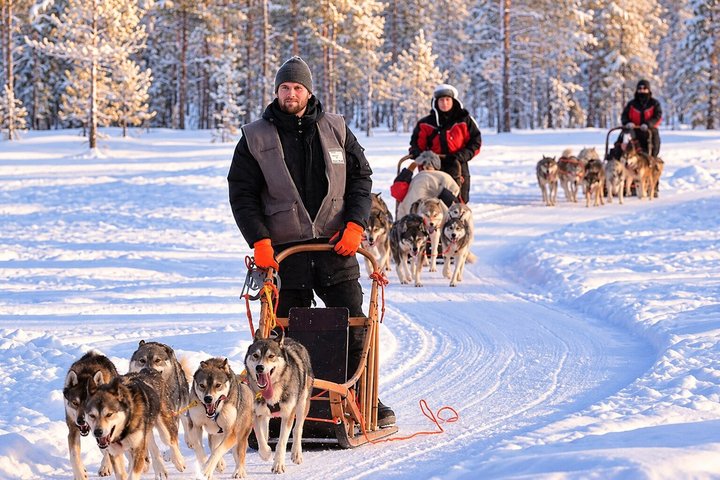
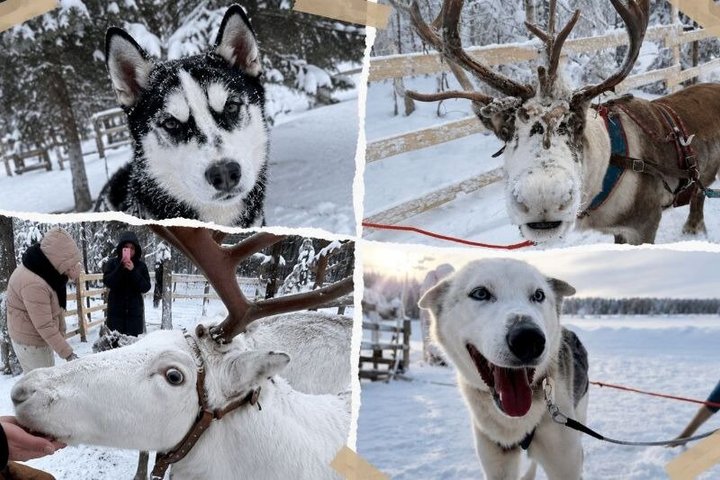
- A daytime husky or reindeer safari, so the trip has a sunny-side and a night-side.
- Time needed
- Allow a full evening, with a late return to the village.
Good questions
Is seeing the northern lights guaranteed?+
No. Nobody can guarantee the aurora because it depends on solar activity and clear skies. A guided hunt improves your chances by moving to open sky, and some products offer a repeat night or money-back promise, so read the terms when you book.
What is the best time of year?+
The season runs roughly from late August to early April, with darkness lasting longest in midwinter. September and March are popular for milder temperatures, while December to February offers the snowy landscape.
What should I wear?+
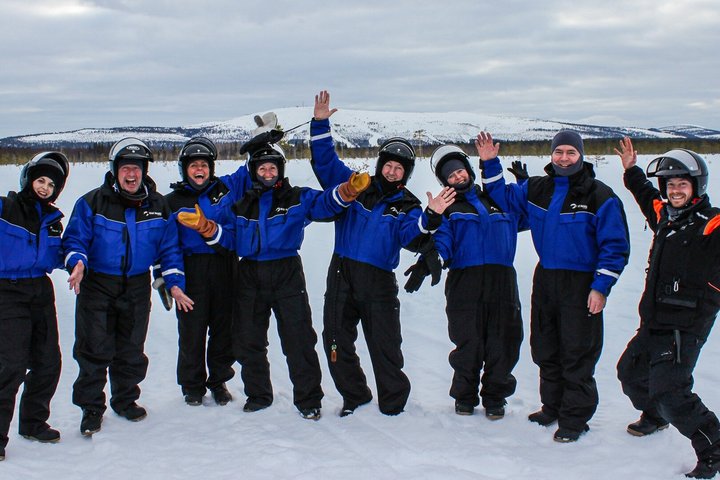
Layer thermals, wool socks, a windproof jacket, a warm hat and insulated mittens. Operators often supply winter overalls and boots, but check when you book and add your own base layers.
Can I take photos with my phone?+
Yes. Modern phones with a night mode can capture a decent aurora if you keep them steady, and guides often help with settings. A small tripod makes a big difference.
Should I book for my first night?+
It is wise. Booking early in your stay leaves spare evenings if the first night is cloudy, which is the single most common reason people miss the lights.