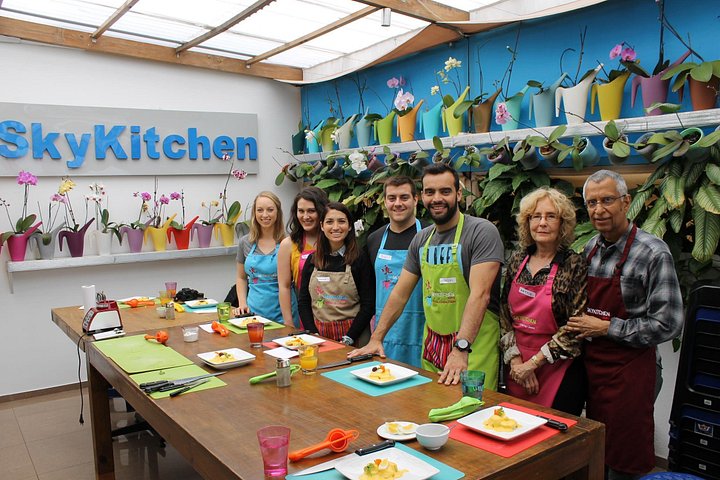
Peru grows some of the world's most prized cacao, and a bean-to-bar workshop in Miraflores lets you follow the story from pod to chocolate bar. The session begins with an introduction to cacao, its history in the Andes and Amazon and the differences between the beans, then moves to the hands-on part: roasting, peeling, grinding and mixing the nibs with sugar, and finally moulding and decorating your own bars. Along the way you taste raw cacao, drinking chocolate and different stages of the process, so you start to notice flavours you would never pick out from a supermarket bar. Workshops are relaxed and informal, with no cooking experience needed, and at the end you take your creations with you as an edible souvenir that travels better than most.
Why it matters
Chocolate is part of the country's food identity, and cacao from Peru is gaining a reputation among chefs and chocolate makers. A workshop shows how much work sits behind a single bar, and it gives context to the chocolate you will see in shops and on dessert menus across Lima. It is also one of the few food experiences that works equally well for adults and children.
How to do it
Sessions run on a schedule through the day, so choose a time that fits between sights. Wear clothes you do not mind marking, as grinding and moulding can be messy, and tell the staff about allergies or dietary needs in advance. The group sizes are modest and the guides explain each step clearly, usually in English and Spanish. Check when you book what is included, such as the number of bars, the tastings and any drinks.
Good to know
The experience is gentle and indoors, which makes it a good backup when the winter mist hangs over the coast. Children usually enjoy it more than a museum visit because they are making something. The chocolate you make needs time to set, so ask how long it takes and whether you collect it later or take it with you at the end. If you are flying home soon, pack the bars away from heat.
Making the most of it
Schedule the workshop on a rest day or an afternoon after a long morning of walking, and pair it with a visit to a nearby cafe. If you like the process, look for single-origin Peruvian bars in shops and markets as gifts, and try cacao in savoury dishes during your trip. Foodies can combine it with a gourmet food tour, a cooking class or a pisco lesson for a full day built around taste.
What to expect
The experience
A guided hands-on workshop in Miraflores covering cacao history, roasting, grinding and moulding your own chocolate, with tastings.
Best time
Any time of day; a good rainy-day or winter-mist activity.
How long
1.5 to 2 hours
Tips
Wear clothes that can get messy, mention allergies in advance and pack the chocolate away from heat.
Quick picks
- Best for
- Food lovers and families who want a hands-on activity.
- Families
- One of the most child-friendly workshops in the city, with plenty of tasting.
- Couples
- A light-hearted, creative activity to share.
- Pair with
- A food tour, a cooking class or an afternoon in Miraflores.
- Time needed
- Around two hours.
Good questions
Do I need experience?+
No. The workshop guides you through every step.
Do I take the chocolate home?+
Normally yes, but check the arrangements for your session when you book.
Is it suitable for children?+
Yes, it is a popular family activity.
Can I tell them about allergies?+
Yes. Mention allergies and dietary needs when you book and on arrival.
Is it only in English?+
Workshops are commonly offered in English and Spanish; check the language for your slot.